In an era where public figures are scrutinized for every word, Meghan Markle has built a reputation not just as a former actress and duches
s, but as a master of semantic sleight-of-hand. Critics have long accused the Duchess of Sussex of an “allergy to the truth,” pointing to a pattern of statements that bend reality through careful wording, omissions, and outright contradictions. Nowhere is this more evident than in her oft-repeated tale of how she met Prince Harry – a “blind date” story laced with claims of blissful ignorance about the royal family, shattered by her own admissions of pre-date online digging.

The controversy centers on Meghan’s repeated assertions that she entered her relationship with Harry knowing virtually nothing about him or the monarchy. In their bombshell 2021 Oprah Winfrey interview, Meghan famously claimed she “didn’t do any research” on Harry and knew so little about the royals that she had to Google how to curtsy just before meeting Queen Elizabeth. Prince Harry echoed this in his memoir *Spare*, insisting Meghan “definitely hadn’t Googled us.” Yet, in the very same Netflix docuseries *Harry & Meghan* (2022), the duchess casually revealed that a mutual friend set them up after showing her Harry’s secret Instagram feed – filled with poignant images of Africa, elephants, and his personal life. Meghan admitted being intrigued by this “feed” because it showed “who he was” through his own lens, rather than tabloid portrayals. So, which is it? Did Meghan “never look him up online,” as implied in her wide-eyed innocence narrative, or did she pore over his Instagram – undeniably an online platform – before agreeing to the date?
Critics argue this is classic Markle semantics: technically avoiding “Googling” while conveniently scrolling through his social media, all while maintaining the fairy-tale trope of an American outsider unsullied by royal knowledge. As one royal commentator put it, viewing someone’s private Instagram feed isn’t just “looking up” – it’s deep-diving into their curated personal world. This Instagram admission isn’t an isolated slip. Biographer Tom Bower, in his 2022 book *Revenge: Meghan, Harry and the War Between the Windsors*, alleged that Meghan did far more pre-date homework than she lets on.
According to Bower, a friend asked Meghan if she knew anything about Harry before the blind date, prompting her response: “I’ve Googled Harry.” Bower claims Meghan researched extensively, knowing exactly “what buttons to push” as a “smart woman with a lot of experience.” While Meghan’s camp has dismissed Bower’s book as biased, the contradiction with her public “no research” claims fuels accusations of embellishment for narrative purposes. Meghan’s truth-bending doesn’t stop at her royal romance origin story.
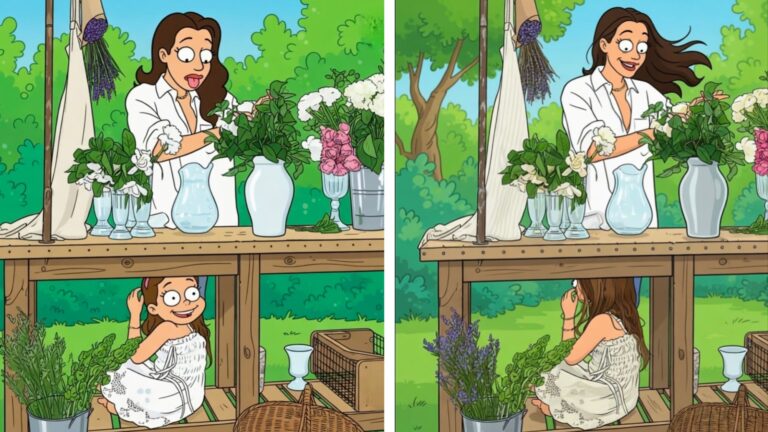
A litany of fact-checked inconsistencies has piled up over the years, painting a picture of someone who prioritizes a polished “my truth” over verifiable facts. During the Oprah interview, Meghan claimed “the reverse happened” regarding reports that she made Kate Middleton cry over flower girl dresses ahead of the 2018 wedding. Initial tabloid accounts said Meghan reduced Kate to tears; Meghan flipped the script, saying Kate made *her* cry but apologized with flowers.
Later reports, including from royal sources, suggested a more nuanced altercation where both women were emotional, but Meghan’s version omitted key details – leading critics to call it a selective retelling. Another high-profile example: the South African tour “fire” incident. In her 2022 *Archetypes* podcast, Meghan recounted a heater catching fire in baby Archie’s nursery during a 2019 royal tour, implying negligence by the palace despite the child not being present. Critics, including Piers Morgan, blasted it as exaggerated victimhood, noting Archie was at an engagement with them and no major danger occurred.
The story was framed to highlight supposed institutional indifference, but fact-checks revealed it as a minor heater malfunction quickly resolved. Meghan’s family narratives have also drawn scrutiny. She described growing up “an only child” in interviews, despite having two half-siblings from her father’s previous marriage. Her estranged half-sister Samantha Markle has publicly disputed various claims, though some accusations (like age-lying rumors) have been debunked by official records confirming Meghan’s 1981 birthdate.
More damning was Meghan’s court case against the Mail on Sunday, where she was forced to apologize for misleading the court about her involvement in the biography *Finding Freedom*. She initially denied cooperating, but emails revealed she briefed aides on details fed to authors – a lie under oath that damaged her credibility. Even smaller details invite skepticism. Meghan claimed in a 2022 *The Cut* interview a “cinematic” memory of the 1992 LA riots from her childhood home, but fact-checks noted she lived with her father in a relatively unaffected area.
Critics called it tone-deaf embellishment. And in wedding-related drama, revelations emerged that Meghan lied about purchasing a non-existent “business class” ticket on Air New Zealand for her father – a detail exposed in court. Royal experts like Hugo Vickers and Samara Gill have branded Meghan a “constant liar,” arguing her brand is “built on a spin of lies.” In a 2025 discussion on *The Sun*’s Royal Exclusive, Gill said, “I don’t trust a word that woman says,” citing bullying allegations from former staff and a pattern of grievance over substance.
Reddit communities and social media echo this, with users compiling lists of “Meghan’s lies” – from the Archie title/racism claims (debunked by protocol rules) to alleged surrogacy rumors (unsupported by records listing her as mother). Defenders argue much of the backlash stems from racism, misogyny, or envy, pointing to disproportionate scrutiny compared to other royals.
They note palace “sources” often leak against the Sussexes, and Meghan’s “truth” reflects her lived experience amid institutional pressures. Yet, even neutral observers acknowledge the pattern: Meghan’s statements frequently evolve or contradict prior versions, relying on semantics to dodge accountability. As 2025 wraps up with fresh controversies – from staff exodus at Archewell to rebranding flops – Meghan’s pleas for “people to tell the truth” (as in a recent podcast) ring ironic to detractors. If viewing Harry’s Instagram isn’t “looking him up online,” what is? In a world craving authenticity, the Duchess’s semantic gymnastics only deepen distrust.
Whether it’s royal protocol, family feuds, or personal anecdotes, one thing is clear: Meghan Markle’s relationship with the full truth appears as complicated as her exit from the Firm. And for a woman who preaches empowerment and honesty, that’s the real story begging to be told – without the spin.