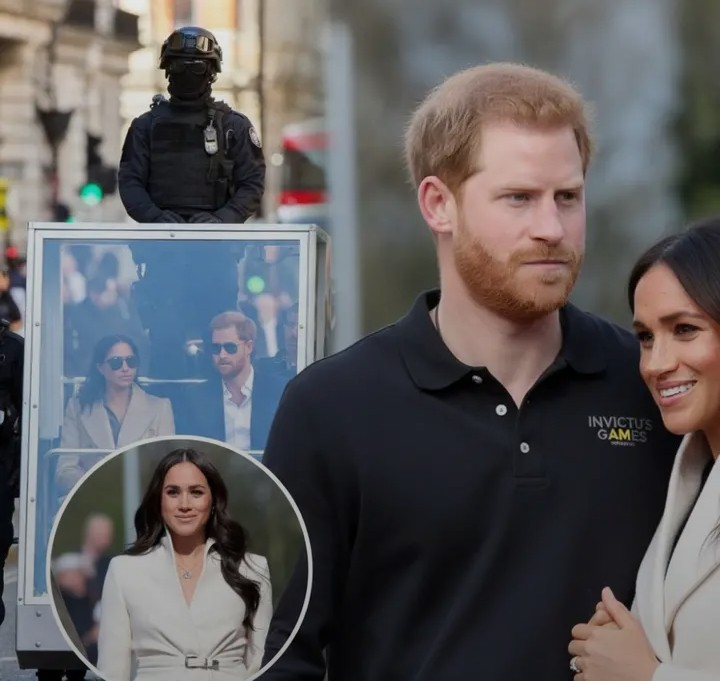
Fresh controversy has erupted after details allegedly outlining Meghan Markle’s conditions for a return to the UK began circulating, igniting disbelief even among seasoned royal watchers. What was initially framed as a possible appearance linked to the Invictus Games countdown event in Birmingham has quickly morphed into a debate about entitlement, optics, and the limits of royal branding in a post-working-royal world.
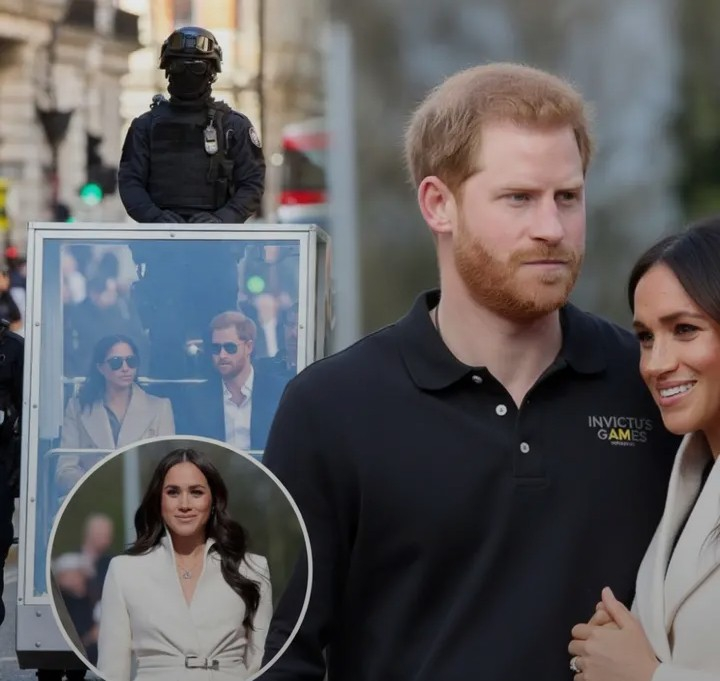
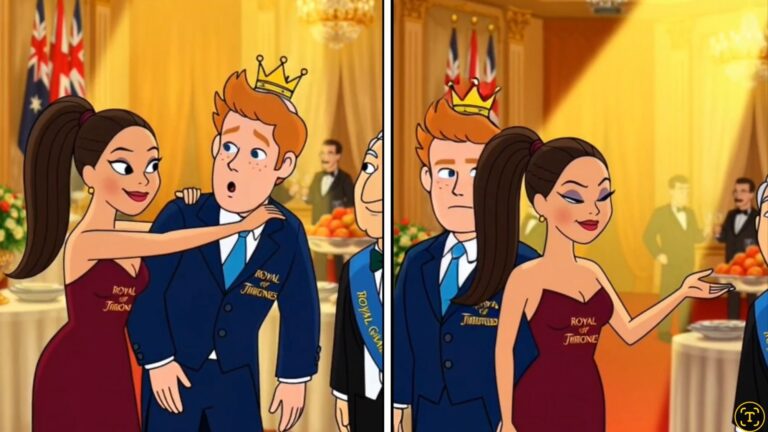
According to reports cited by multiple commentators, Meghan’s appearance would be contingent on a long and exacting list of personal requirements. Central among them is the demand that four entire floors of a luxury hotel be reserved exclusively for her use. Enhanced security would surround the premises, while staff were allegedly instructed not to make eye contact with her. Perhaps most controversially, anyone interacting with her would be required to address her as “Her Royal Highness, the Duchess of Sussex.”
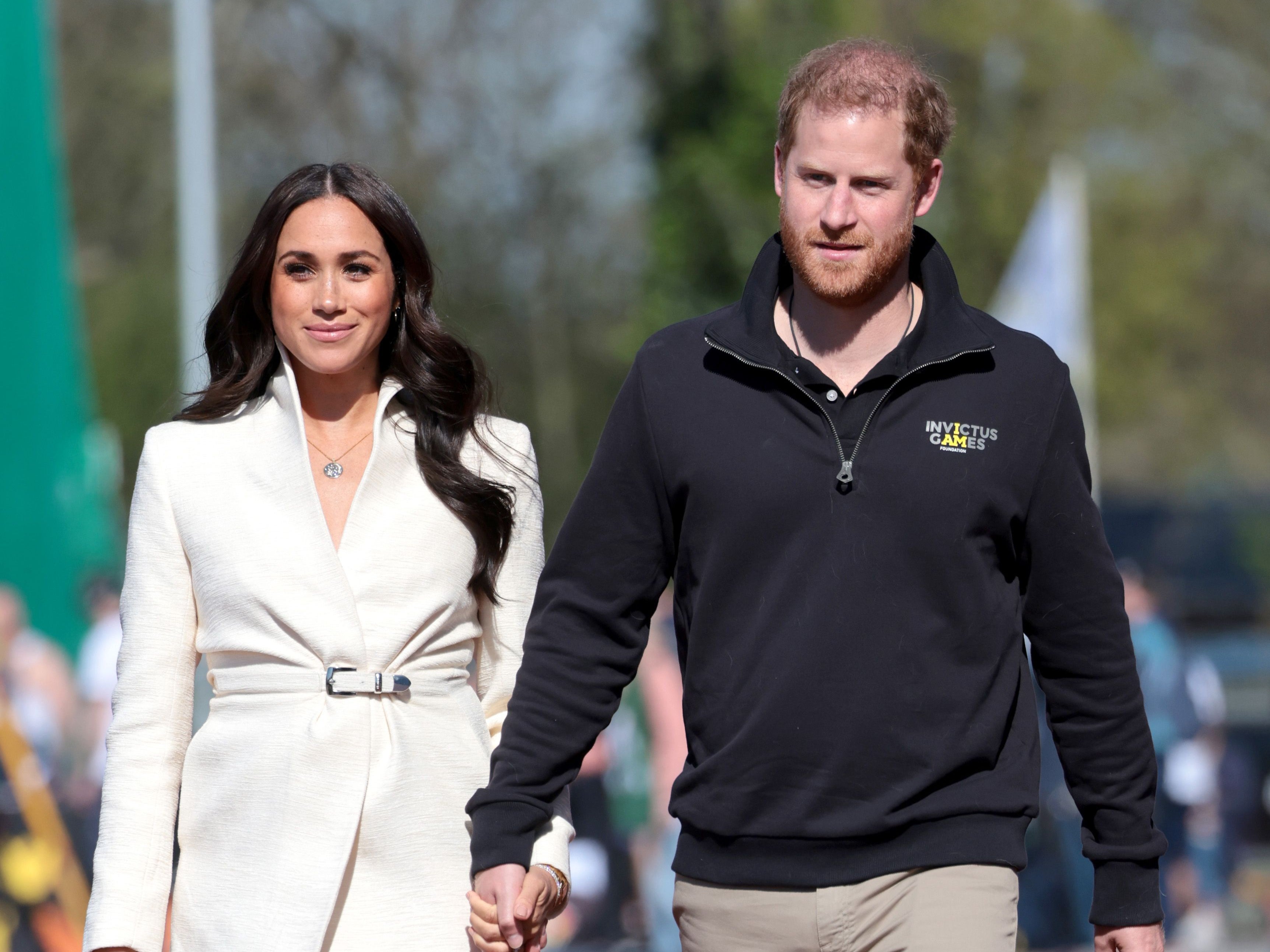
For many observers, this detail alone raised immediate red flags. The HRH style was formally set aside when Harry and Meghan stepped back from royal duties, a point that critics were quick to highlight. One royal commentator remarked dryly, “You can’t opt out of the job and still insist on the uniform.” The insistence on such titles, they argue, suggests a desire to project royal authority without the responsibilities that traditionally accompany it.
The reported demands did not stop at accommodation or protocol. Security arrangements were described as extensive, including police escorts, secured venues, armored features at public events, and a constant protective presence. Meghan was also said to be bringing her own chef, personal assistants, hair and makeup team, and a dedicated PR staff requiring multiple additional rooms. Insiders characterized the preparations as less like a charity visit and more like staging a full-scale royal tour.

What has fueled skepticism is the conditional nature of the visit. Everything reportedly hinges on the outcome of Prince Harry’s ongoing legal battle over state-funded security in the UK. Until that issue is resolved, nothing is confirmed. This has led critics to frame the situation as a high-stakes negotiation, with a veterans’ sporting event caught in the middle.
A recurring question raised by commentators is simple: if these claims are false, why haven’t they been clearly and decisively denied? Several analysts noted that a straightforward rebuttal — or a low-key appearance without visible special treatment — would immediately put the rumors to rest. The absence of such a response has instead allowed speculation to flourish.
Public reaction has been particularly sharp around the issue of cost. Who, critics ask, would ultimately pay for the hotel floors, security convoys, and extensive staffing? If charitable funds or public resources are involved, the optics become even more problematic. One observer commented, “Every pound spent on spectacle is a pound not spent on veterans. That’s the uncomfortable reality.”
The timing of the controversy has only added to the unease. At the same moment these alleged demands surfaced, Meghan launched her first product of 2026 — a leather bookmark that was quickly declared “sold out.” While supporters hailed this as proof of demand, skeptics pointed out that other products under her lifestyle brand reportedly remain widely available. To critics, the pattern looks familiar: limited releases creating an illusion of scarcity amid broader struggles.
Beyond the specifics, royal experts argue the episode reveals something deeper about Meghan’s ongoing identity struggle. Is she a private individual seeking safety and normalcy, or a quasi-royal figure insisting on ceremonial deference? One media analyst summed it up succinctly: “You can’t sell yourself as relatable while demanding to be treated like a monarch-in-waiting.”
The suggestion that Meghan views herself as a future queen has been repeated with increasing frequency by critics, not necessarily as a literal claim, but as shorthand for what they see as inflated self-perception. Whether fair or not, that narrative has gained traction precisely because moments like this appear to reinforce it.
As of now, none of the reported arrangements have been officially confirmed. Palace sources remain silent, and Invictus organizers have not publicly addressed the claims. That silence has done little to calm the storm. Instead, it has left the public weighing two competing images: a charity event meant to honor wounded veterans, and a celebrity-driven spectacle defined by hierarchy and control.
In the end, the controversy underscores a broader tension that has followed Harry and Meghan since their departure from royal duties. The desire to retain royal symbolism while rejecting royal constraints continues to provoke backlash. Whether the Birmingham visit ever materializes or not, the episode has already reignited questions about status, sincerity, and how far royal branding can stretch before it snaps.