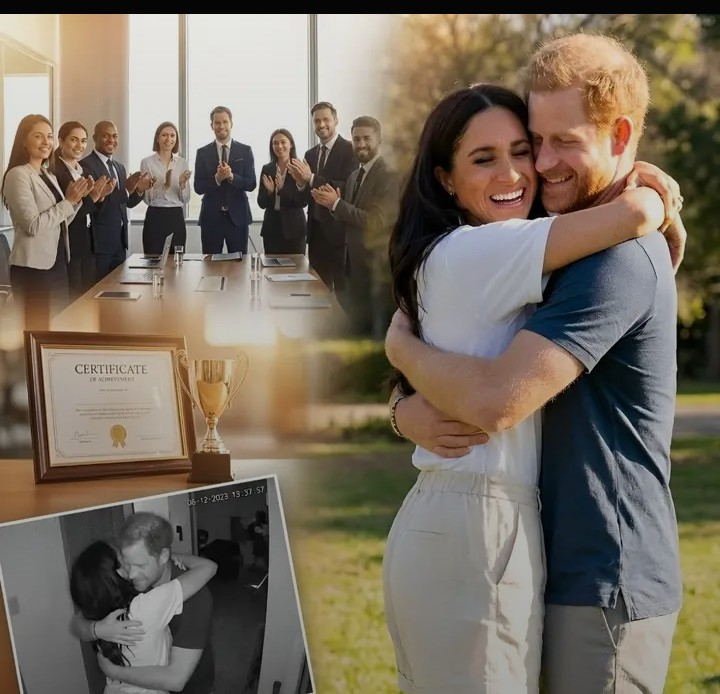
Just days into the new year, Meghan Markle, the Duchess of Sussex, returned to Instagram with what she presented as a heartfelt, nostalgic post: a black-and-white video of herself and Prince Harry dancing barefoot on the expansive lawn of their Montecito mansion. Filmed by their four-year-old daughter, Princess Lilibet, the clip shows the couple spinning, swaying, dipping, and culminating in Harry lifting Meghan as she wraps her legs around his waist – all set to Olivia Dean’s “So Easy (To Fall in Love).” Accompanying it was a throwback photo from their 2016 Botswana trip, where they embraced in shallow water, captioned: “When 2026 feels just like 2016….you had to be there. cred: our daughter.”
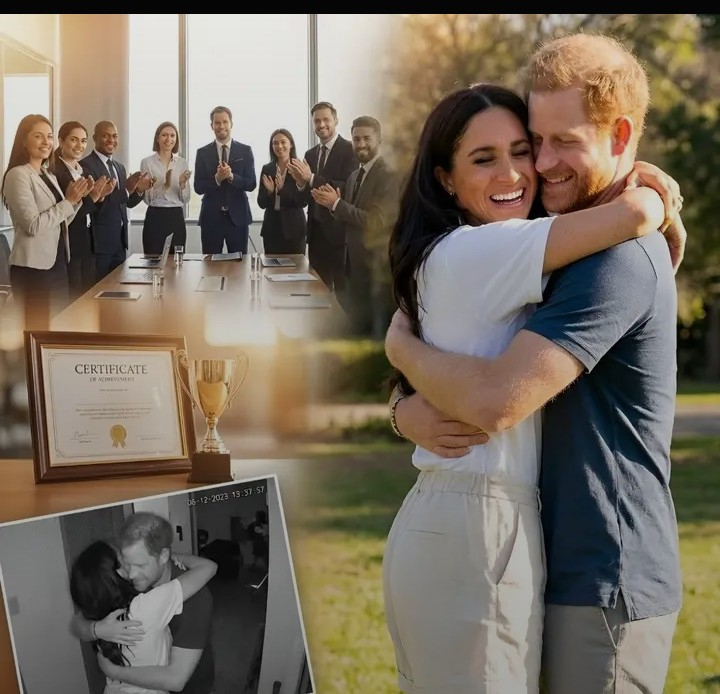
On the surface, it was meant to tap into a viral 2026 social media trend reclaiming the carefree vibes of a decade earlier. But what truly caught everyone’s attention – and sparked immediate backlash – was how contrived, performative, and downright embarrassing the whole thing appeared to many observers. Within minutes of posting, the comments section and social media exploded with criticism labeling it as “cringe,” “staged to perfection,” “desperate for attention,” and “fake family bliss on display.” Far from evoking genuine romance or nostalgia, the video struck a nerve as yet another calculated move in Meghan’s ongoing effort to curate an image of idyllic domesticity amid mounting scrutiny over her public persona.
The footage itself is brief – under 20 seconds – but meticulously composed. Shot in crisp black-and-white, it filters out any imperfections: no visible toys scattered on the lawn, no evidence of the couple’s two young children (Prince Archie, 6, is conspicuously absent), and no natural messiness that might come with a spontaneous moment captured by a toddler. Lilibet, credited as the cinematographer, somehow managed steady framing as her parents twirled in what looks like a choreographed routine rather than an impromptu dance. Critics were quick to point out the lighting – golden-hour perfect – and the outfits: Meghan in casual shorts and a white T-shirt, Harry in a simple tee and pants, both barefoot as if to emphasize “grounded” authenticity. Yet the execution felt anything but organic.
Online detractors wasted no time dissecting it. “This is the most staged ‘candid’ moment I’ve ever seen,” one viral comment read, garnering thousands of likes. “A four-year-old filming this? Please. It’s giving influencer production crew vibes.” Another user quipped, “When your PR team says ‘show vulnerability and joy’ but forgets to make it believable.” Royal commentators piled on: one tabloid pundit called it “embarrassing hypocrisy,” noting the Sussexes’ repeated pleas for privacy clashing with their habit of releasing polished family content. The post, shared to Meghan’s 4.3 million followers (a number that has stagnated compared to other high-profile accounts), quickly became fodder for memes mocking the “performative romance” of a couple who have built much of their post-royal brand on sharing intimate glimpses – while suing over privacy invasions.
This isn’t the first time Meghan’s personal videos have drawn accusations of being overly produced or insincere. In mid-2025, a delivery-room dance clip with Harry (set to “Baby Momma” during Lilibet’s birth anniversary) faced similar backlash: critics branded it “cringey,” “tone-deaf,” and suspiciously timed for attention. Meghan later defended it on a podcast, insisting authenticity matters and that Americans embraced it – yet the pattern persists. The 2026 dancing video fits neatly into a long line of content that feels less like genuine sharing and more like brand reinforcement for her lifestyle ventures, including As Ever and her Netflix series With Love, Meghan.
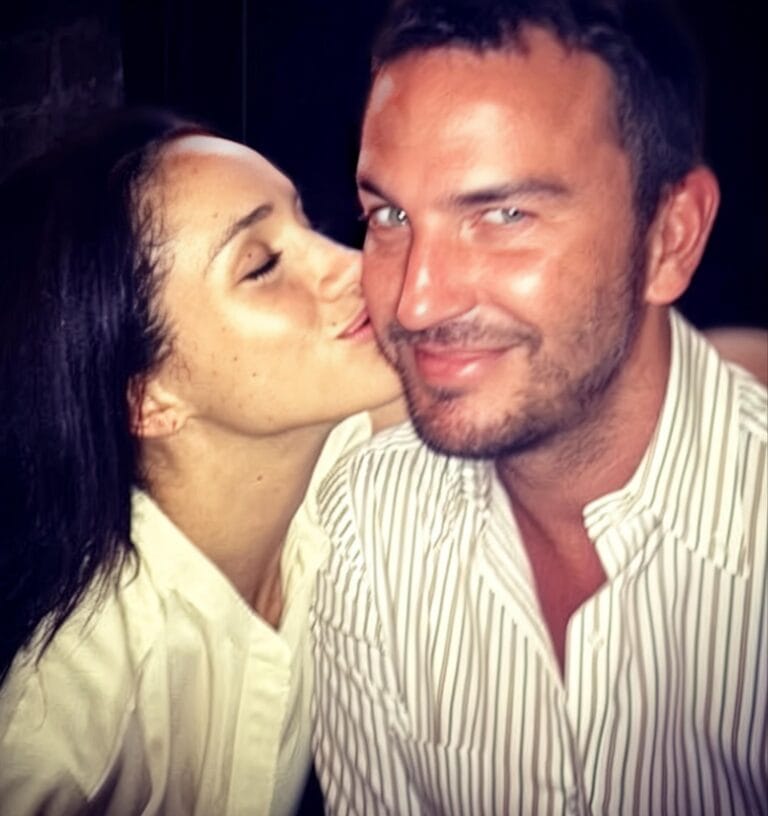
The timing raises eyebrows too. Posted amid whispers of Prince Harry’s “unease” in their high-profile California life (as reported by royal authors), and following Meghan’s quiet scaling back of public appearances, the video seems engineered to project unbreakable unity and joy. The Botswana throwback photo – from their early courtship – serves as a reminder of “simpler times,” before the royal exit, Netflix deals, and endless controversies. But for skeptics, it only highlights the contrast: the 2016 image feels raw and unposed; the 2026 video looks like a mini commercial for marital perfection.
Public reaction has been polarized, but the negative tide dominates online discourse. On platforms like Reddit and X, threads dissect every frame: the overly synchronized movements, the absence of any child interruption (despite crediting Lilibet), the suspiciously professional edit. One popular post summed it up: “This isn’t a family moment; it’s a performance. Meghan can’t help but turn everything into content.” Even some supporters admitted it felt “forced,” with one fan commenting, “Love them, but this came off a bit try-hard.”
The Montecito estate itself – a $30 million Mediterranean-style compound with tennis courts, pools, and rose gardens – has long been a symbol of the Sussexes’ post-royal success. Yet glimpses like this one invite scrutiny: why share such an intimate space if privacy is paramount? The lawn dance, set against manicured greenery and distant ocean views, reinforces the narrative of a blissful escape from royal constraints. But critics argue it’s precisely this polished paradise that feels inauthentic – a far cry from the “real” family struggles many face.
Broader context amplifies the skepticism. The Sussexes’ brand relies heavily on relatability: Meghan as the grounded former actress turned advocate, Harry as the reformed prince finding peace. Yet repeated releases of curated moments – holiday cards with obscured faces, Netflix specials, Instagram reels – suggest a team behind the scenes crafting an image rather than capturing life as it unfolds. The “cred: our daughter” tagline, meant to add sweetness, instead fueled jokes about a toddler wielding professional-level filming skills.
As the backlash grew, Meghan’s team remained silent, letting the post stand as is. No follow-up stories or explanations – just the video looping in feeds, dissected endlessly. For some, it’s harmless fun; for others, it’s emblematic of a larger issue: a couple who left the monarchy citing media intrusion now feeding the very machine they fled, one perfectly framed dance at a time.
In the end, what was intended as a lighthearted nod to nostalgia landed as something far less charming. Viewers saw not romance reborn, but a carefully scripted scene in an ongoing production. Whether this helps or hurts the Sussex brand remains to be seen – but one thing is clear: in 2026, even barefoot dancing on the lawn comes under the microscope, and for Meghan Markle, authenticity is proving harder to sell than ever.