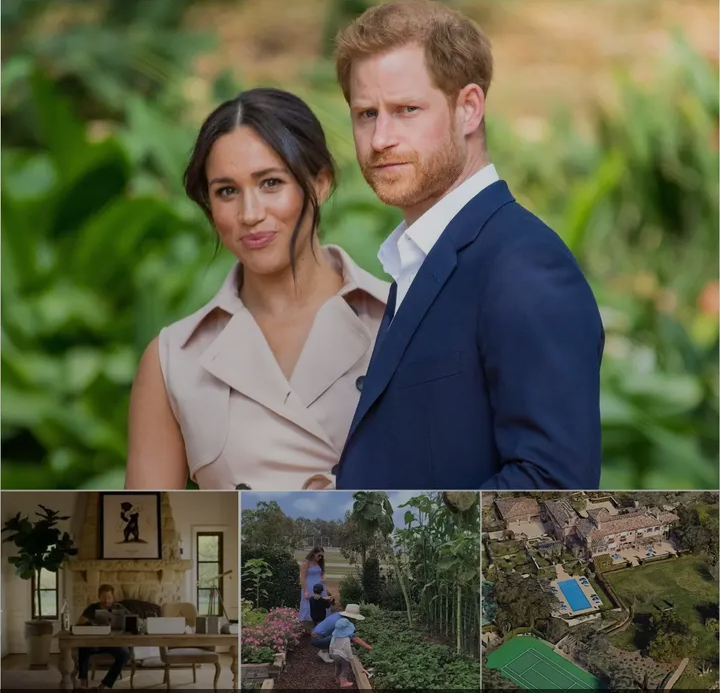
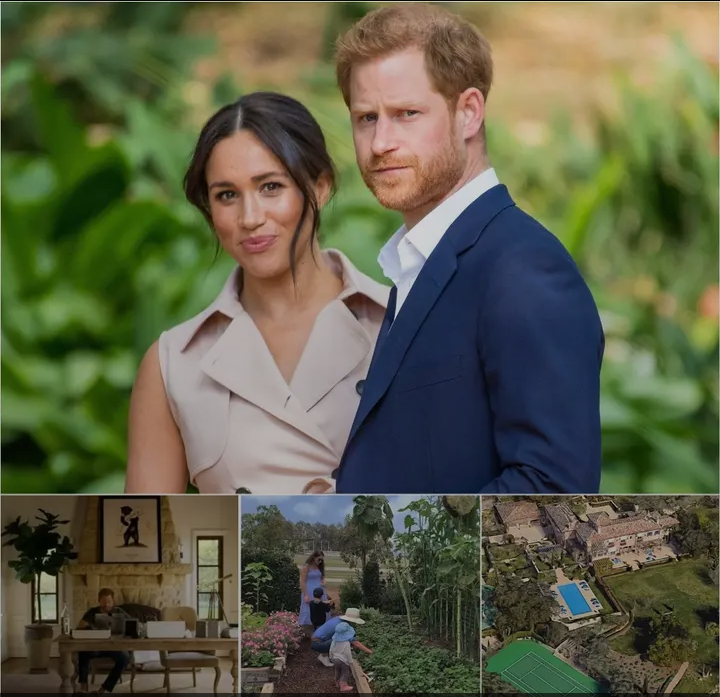
The image of a peaceful new life in California once defined the post-royal chapter of Meghan Markle and Prince Harry. After stepping back from royal duties in 2020, the couple settled into a lavish Montecito estate, presenting their move as a search for privacy, stability, and a fresh start. But several years on, that carefully curated narrative appears to be facing a quiet yet telling contradiction—this time, not from the press, but from those living just beyond their gates.
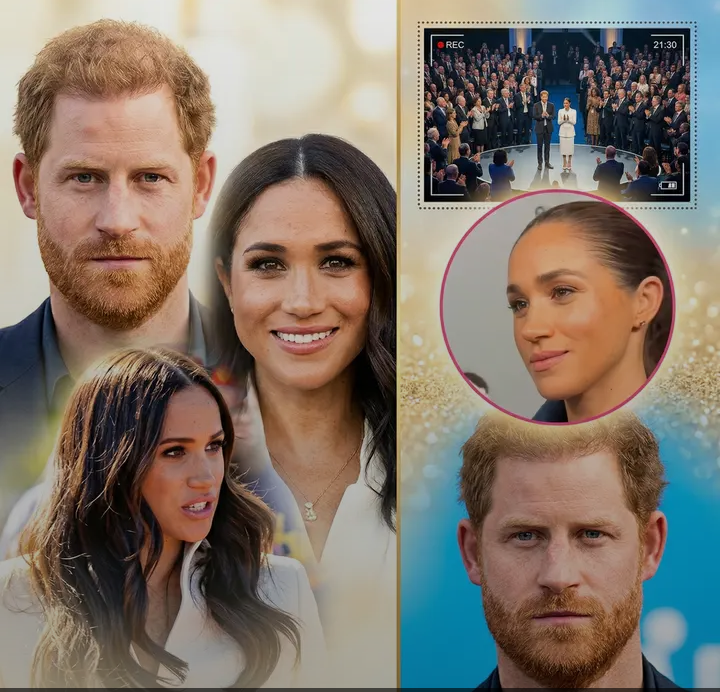
Meghan Markle, Prince Harry
According to a report from Page Six, sources within the Montecito community claim that the couple is increasingly being avoided by their neighbors. The shift is described not as sudden hostility, but as a gradual cooling of attitudes that has been building over time. One local source suggested that residents are “exhausted,” not necessarily by any single controversy, but by what they perceive as a pattern of behavior that feels one-sided and disconnected.
Meghan Markle, Prince Harry
That sentiment—subtle yet sharp—has become the defining thread of the story. Rather than open criticism, there is a sense of quiet withdrawal. Doors that once opened in polite curiosity now remain closed. Invitations are fewer, interactions more distant. It is, in many ways, a social response that speaks louder than direct confrontation. As one observer might put it, “In places like Montecito, silence can be the loudest form of disapproval.”
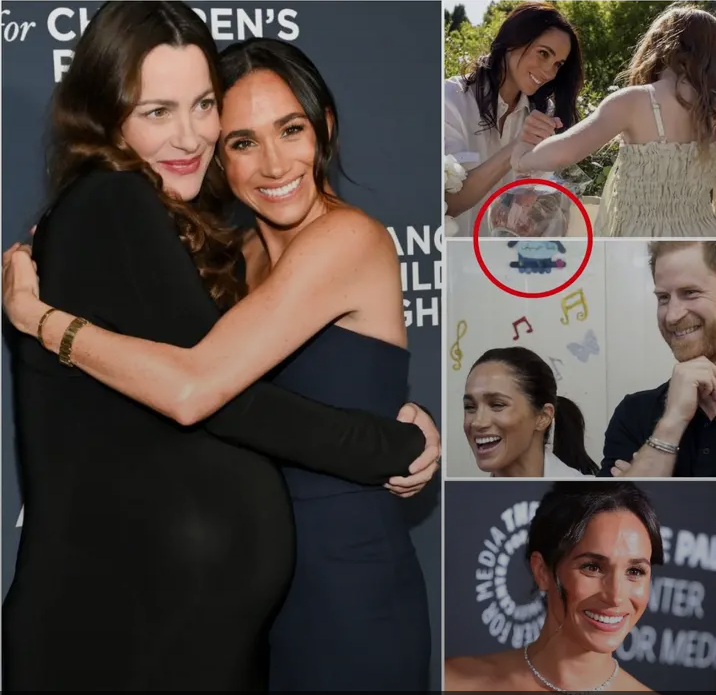
Meghan Markle, Prince Harry
The couple’s representatives have pushed back on such claims, insisting that they maintain a positive relationship with their community and value the privacy it affords. Indeed, Montecito has long been known as a haven for high-profile figures seeking discretion. Residents include names such as Oprah Winfrey, Katy Perry, Ellen DeGeneres, and Jennifer Aniston—individuals who have managed to balance fame with a relatively low-key presence in the community.
Meghan Markle, Prince Harry
Yet this contrast only sharpens the curiosity surrounding Harry and Meghan. In a neighborhood where discretion is the unspoken rule, visibility—especially when tied to commercial ventures—can be interpreted differently. Meghan’s recent promotion of products from her “As Ever” brand, including lifestyle goods showcased through personal glimpses of home life, has drawn attention. For some, it raises questions about the balance between private life and public branding.
A longtime local voice, quoted in earlier commentary, even suggested that Meghan had not become an “asset” to the community, citing her limited public engagement and absence from local activities. Harry, by comparison, has occasionally been described as more approachable, though still not deeply integrated. The distinction, while subtle, adds another layer to the evolving perception of the couple.
It is worth noting that Montecito is not a place where overt rejection is common. Social boundaries are typically maintained with quiet politeness rather than open conflict. This makes the reported shift in attitude all the more significant. When distance replaces curiosity in such an environment, it often reflects a deeper, collective sentiment rather than isolated opinions.
Some observers argue that the couple’s broader public image may be influencing these local dynamics. Ongoing media scrutiny, high-profile business ventures, and shifting partnerships—including developments involving Netflix—have kept Harry and Meghan in the spotlight. In a community that values calm over controversy, that level of attention can become a complicating factor.
Still, it would be overly simplistic to frame the situation as outright rejection. The narrative remains shaped by unnamed sources and competing perspectives. Supporters of the couple point out that public figures often face exaggerated claims about their personal lives, particularly when those claims align with existing media narratives. Others, however, see the consistency of such reports as indicative of a pattern that cannot be easily dismissed.
What emerges most clearly is a tension between expectation and reality. The move to Montecito was meant to represent a retreat from the pressures of royal life, yet the couple’s presence continues to generate discussion—both globally and, it seems, locally. As one commentator subtly remarked, “It’s not about whether they belong there. It’s about whether they’ve truly become part of it.”
In the end, the story is less about dramatic fallout and more about perception—how it forms, how it shifts, and how it lingers. For Harry and Meghan, Montecito was supposed to be a sanctuary. But as whispers replace welcomes, the question quietly lingers: can a place built on privacy ever fully embrace those who remain at the center of attention?