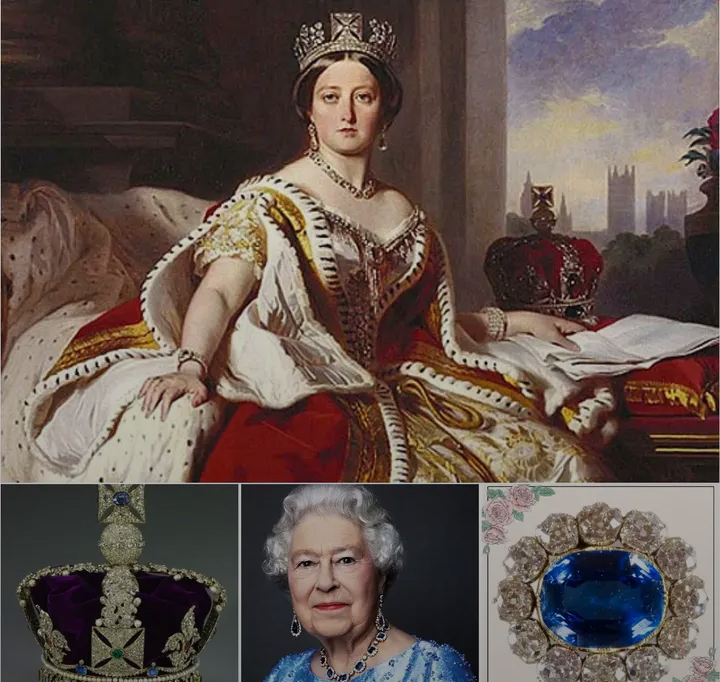
There are jewels that sparkle — and then there are jewels that remember.
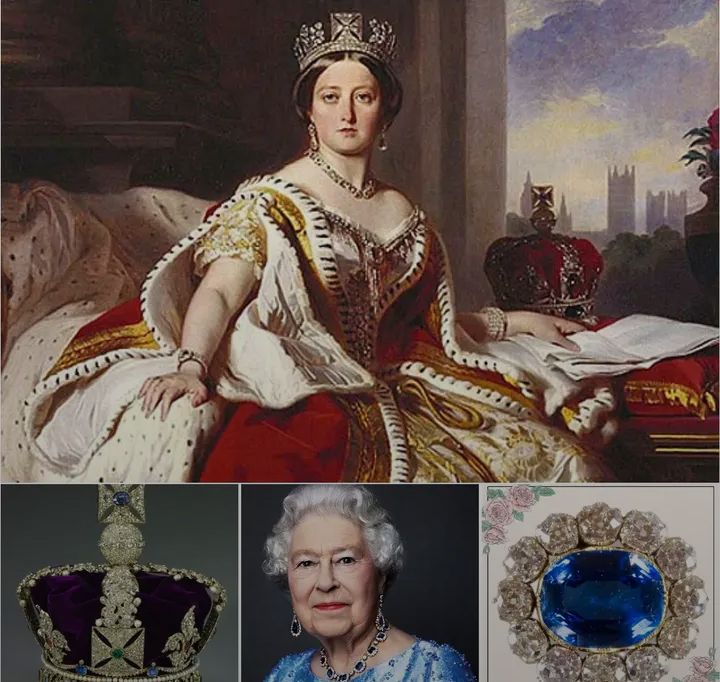
Hidden within the British Crown Jewels are not just diamonds and gold, but dozens of sapphires
, deep blue and deceptively silent, each carrying centuries of ambition, conquest, devotion, and loss. To American audiences, raised on the idea that power should be visible and questioned, these stones feel almost mythical — not because of their beauty, but because of what they have witnessed.
These sapphires were never meant to be merely admired. They were meant to legitimize rule, to anchor fragile dynasties, and to remind anyone who looked upon them that monarchy was not just worn — it was inherited, defended, and sometimes stolen.
Why Sapphires, Not Diamonds?
In the modern imagination, diamonds represent wealth. But for much of royal history, sapphires symbolized divine favor.
Blue was the color of heaven, loyalty, and sacred authority. Medieval kings believed sapphires protected rulers from betrayal and signaled moral right to reign. Long before public opinion polls or constitutions, gemstones were political tools.
To American readers, this may sound foreign — even unsettling. But that is exactly why the sapphires matter. They reveal how power once justified itself without consent.
The Sapphire Taken From a King’s Tomb
One of the most haunting stories begins not in a jeweler’s workshop, but in a grave.
A sapphire now embedded in royal regalia was reportedly removed centuries ago from a king’s burial site. At the time, such acts were not considered sacrilege — they were considered
continuity. The stone did not belong to the dead man. It belonged to the crown.
The message was clear: the monarch dies, the monarchy does not.
For Americans — whose national story begins with rejecting inherited power — this idea strikes an emotional nerve. These sapphires are not just beautiful; they are evidence of how permanence was engineered.
The Stuart Sapphire: A Stone That Survived Exile
Among all the royal sapphires, none carries more emotional weight than the Stuart Sapphire.
Once owned by the exiled Stuart kings, the sapphire traveled through Europe as its owners fled revolution, betrayal, and the collapse of their claim to the throne. It survived not because the dynasty did — but because the stone did.
Eventually, the sapphire returned to Britain and was placed into the Imperial State Crown, quietly absorbed into the very monarchy that replaced the Stuarts.
This is not just irony. It is symbolism at its sharpest.
A fallen family’s sapphire now crowns the victors.
Queen Victoria and the Language of Legacy
When Queen Victoria ascended the throne, she inherited more than power. She inherited meaning.
Victoria understood jewelry as language. Her sapphires were worn deliberately — in brooches, necklaces, and ceremonial settings that reinforced stability during an era of massive social change. As industrialization reshaped Britain, her sapphires whispered continuity.
To Americans, Victoria’s reign often feels distant. But emotionally, her use of sapphires feels familiar: a leader clinging to tradition during transformation.
Elizabeth II: Wearing History Without Explaining It
No one embodied sapphire symbolism more quietly than Queen Elizabeth II.
For seventy years, she wore sapphires without commentary — allowing the stones to speak for themselves. The famous sapphire necklace, often worn during diplomatic events, was not chosen for sparkle, but for gravity.
In American eyes, Elizabeth II represented restraint. She never explained the jewels because she didn’t have to. Their meaning was assumed, inherited, unquestioned.
And yet, in a world increasingly skeptical of inherited power, that silence has grown louder.
The Emotional Weight of Inheritance
Here is where the story becomes deeply personal — even for those outside Britain.
Sapphires in the Crown Jewels are not distributed by affection. They are passed according to
destiny. Who wears which sapphire signals rank, future, and trust.
That raises a question many Americans now ask openly:
Should symbolic power still be inherited?
And if so —
by whom?
Who Will Be Worthy?
With a new generation of royals stepping forward, the sapphires take on renewed significance. Each appearance, each choice of jewel, is analyzed not just for fashion — but for intent.
Will sapphires remain reserved for sovereigns?
Will they be shared?
Or will some stones quietly disappear back into vaults, deemed too heavy with meaning for modern eyes?
Inheritance is never neutral. It is emotional. It implies judgment.
Why This Story Resonates in America
America has no crown jewels. But we understand symbolism.
We debate who deserves monuments, legacies, and historical reverence. We question whether power should be remembered — or reinterpreted.
These sapphires embody that tension.
They are beautiful.
They are uncomfortable.
They are reminders that history is not neutral — it is carried.
Stones That Outlive Empires
Empires fall. Constitutions change. Borders move.
But sapphires remain.
They pass from hand to hand, absorbing meaning without consent, without voice. They do not choose who wears them — and that may be their most unsettling truth.
Final Reflection: More Than Jewelry
The sapphires of the British Crown Jewels are not relics.
They are active participants in a living system of power, memory, and inheritance. They ask a question that resonates far beyond palace walls:
Who deserves to carry history forward?
And perhaps more importantly —
Who decides?