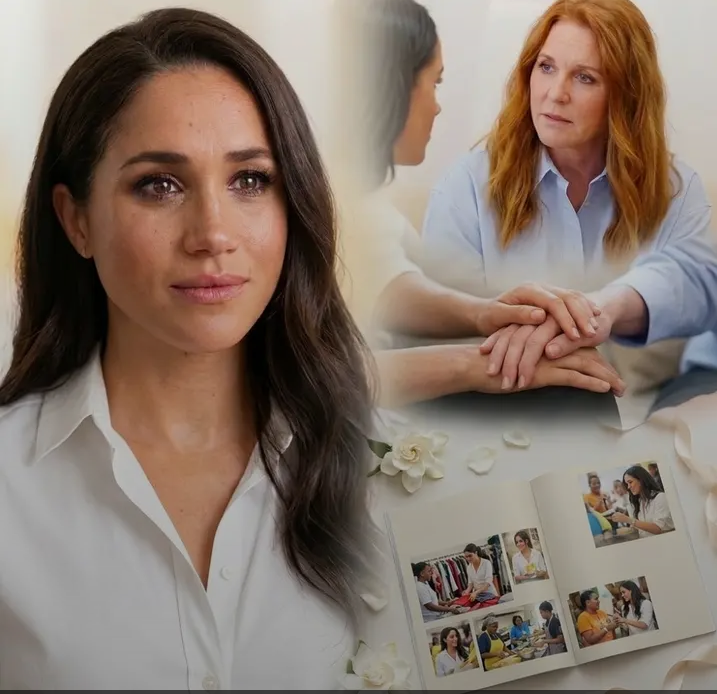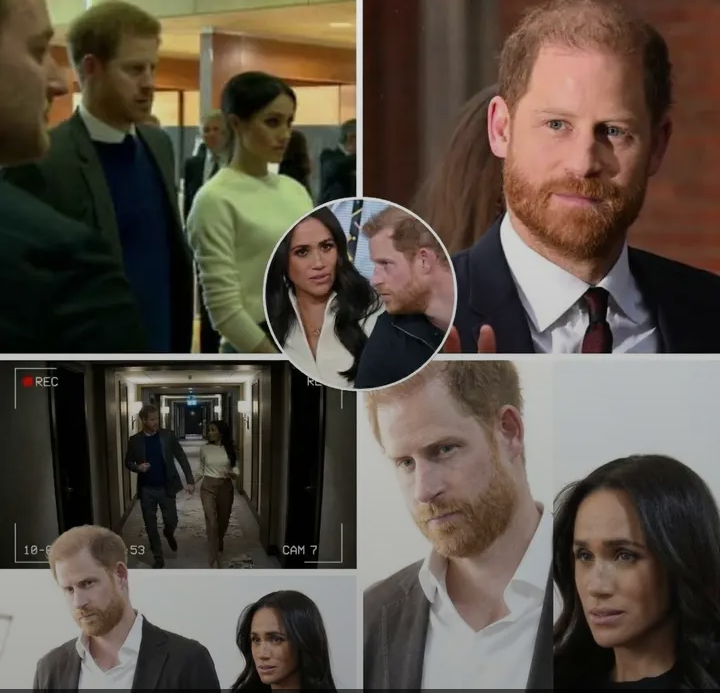
As the Royal Family gathered quietly for their traditional Christmas celebrations in Britain, a very different story was unfolding thousands of miles away. The contrast between the two could hardly have been sharper. While senior royals focused on privacy, continuity, and family unity, Prince Harry and Meghan Markle once again found themselves at the center of a noisy and increasingly chaotic parallel narrative.
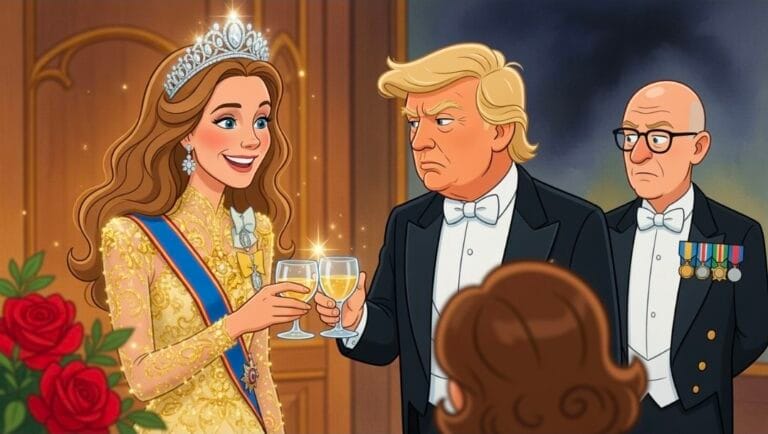
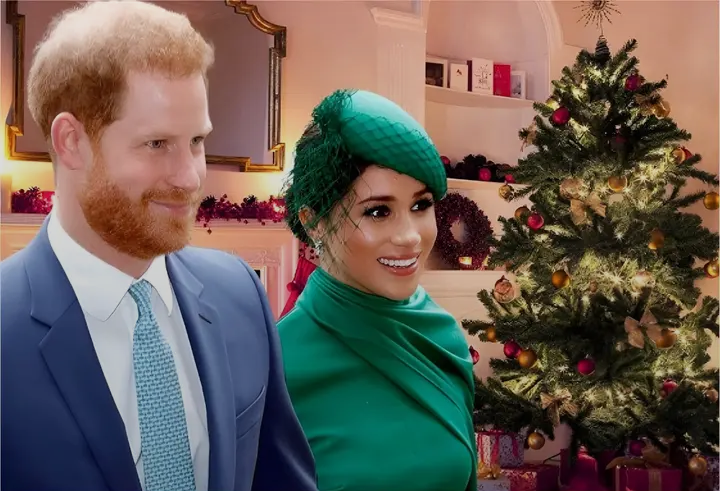
This year’s royal Christmas marked a deliberate reset. The family convened without controversy, excluding figures long associated with scandal and notably absent were Harry and Meghan. For Prince William, Catherine, and their children, the gathering was widely seen as a reaffirmation of stability at a time when the monarchy faces enough challenges without internal disruption. One royal observer commented that the atmosphere felt “intentionally calm — a statement in itself.”

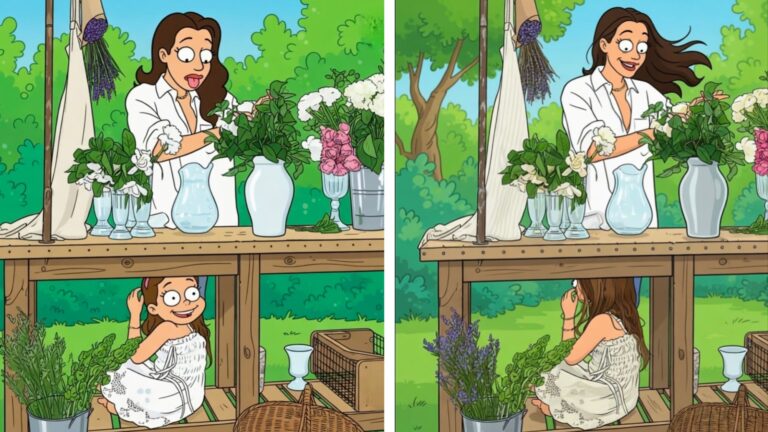
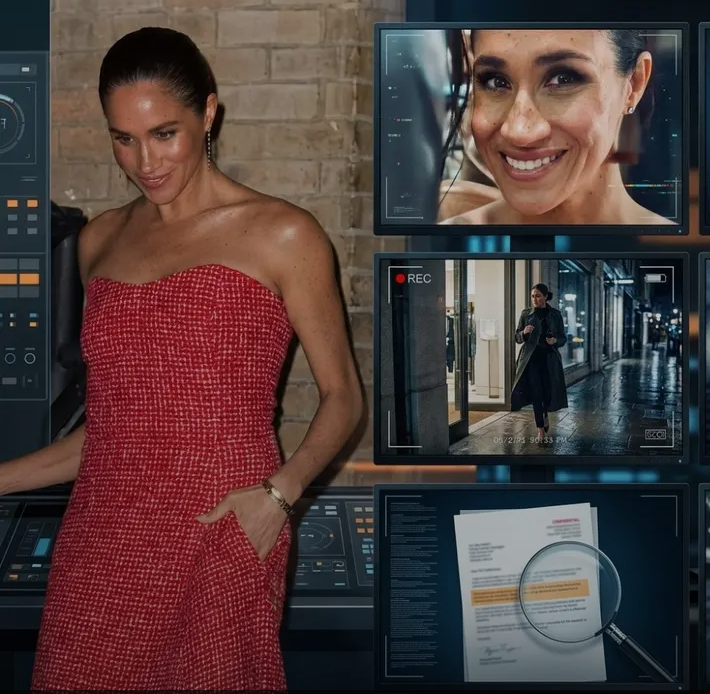
Against that backdrop, Meghan launched what critics describe as an awkward and poorly timed Christmas publicity push. Her latest lifestyle promotion, including claims that her orange marmalade had “broken the internet,” quickly unraveled under scrutiny. Reports emerged of limited production, oversold stock, and confusion over whether the product even qualified as jam. “It felt inflated, rushed, and oddly disconnected from reality,” one branding analyst remarked, calling it a textbook case of hype outpacing substance.

The couple’s announcement of a new Netflix project — an adaptation of The Wedding Date — did little to steady the narrative. Industry insiders questioned both the choice of material and its lack of connection to the couple’s previous messaging about purpose-driven storytelling. “It looks like content for the sake of content,” one entertainment executive noted. “That’s not a strategy — it’s survival.”

For Prince Harry, the season appears to have carried a heavier emotional toll. Sources close to the situation say he struggled watching royal festivities from afar, particularly knowing his children were absent from traditions he once cherished. One former palace aide observed that Harry’s public posture often masks a deeper conflict. “He wants belonging,” the aide said, “but he’s burned every bridge that leads back to it.”
That sense of dislocation has fueled renewed commentary branding Harry as a “lost soul” — a phrase now gaining traction among royal commentators. The description reflects not mockery but perceived drift: a prince untethered from the institution that once gave his life structure, yet unable to fully define a stable identity beyond it. “He left the system,” one historian wrote, “but never replaced it with something equally grounding.”
Meghan’s own family controversies have only intensified the criticism. The hospitalization of her father, Thomas Markle, reignited long-simmering tensions, with accusations from her half-siblings that private family suffering is being overshadowed by calculated silence. Viral clips and interviews amplified the divide, reinforcing public perceptions of fractured relationships wherever Meghan’s orbit extends. “It’s the same pattern repeating,” one commenter noted. “Distance, silence, escalation.”
Meanwhile, palace sources dismiss speculation of renewed communication between King Charles and the Sussexes as implausible. Officials reportedly describe such claims as “wishful at best,” emphasizing that patience has long been exhausted. The royal household, insiders say, has shifted from managing fallout to simply moving on.
Further complicating matters are reports that Harry harbors ambitions of establishing a personal “royal-style” presence in the UK — a move seen by some as a direct challenge to Prince William’s future reign. Critics argue this reflects a misunderstanding of how monarchy functions. “You don’t build parallel courts,” one constitutional analyst remarked. “You either serve the Crown — or you don’t.”
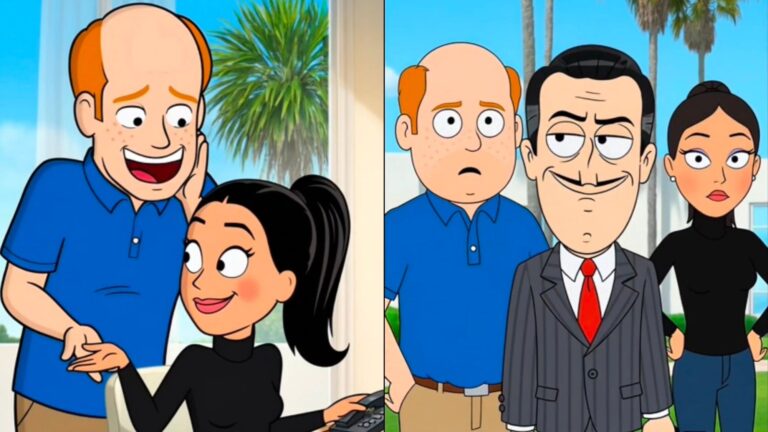
Observers have also pointed to growing signs of strain within Harry and Meghan’s marriage. Analysts suggest diverging priorities are becoming harder to conceal, with Meghan focused on commercial relevance while Harry appears preoccupied with legitimacy and legacy. “They’re pulling in different directions,” one commentator said. “And the tension shows.”
Hovering over all of this is the fragile health of King Charles III, whose ongoing battle with cancer has lent urgency to the monarchy’s need for cohesion. Even as he continues to fulfill his duties, sources say the King is determined to reduce turmoil rather than accommodate it. “This is not the moment for indulgence,” one court insider noted.
In stark contrast, younger royals such as Lady Louise Windsor have drawn praise for their quiet normalcy. Images of her traveling without fuss or privilege resonated with a public weary of spectacle. “That’s the future people trust,” one reader commented. “Calm, not chaos.”
As Christmas passes, the message from the Palace appears unmistakable. The Royal Family is choosing consolidation over confrontation, privacy over provocation, and duty over drama. Harry and Meghan’s attempts to dominate headlines have not eclipsed that reality — they have only reinforced the distance.
In the end, the holiday season has underscored a painful truth. The monarchy is moving forward, while Harry and Meghan remain locked in a cycle of noise, reinvention, and diminishing returns. And for many observers, the phrase now echoing through commentary captures it plainly: Prince Harry is a lost soul — and the gap between him and the family he left continues to widen.