In a stunning reality check that’s sending shockwaves through Montecito mansions and royal gossip circles alike, Prince Harry is reportedly discovering that life outside the gilded cage of the British monarchy comes with a very finite bank balance. Sources close to the Duke of Sussex whisper that the former working royal, who dramatically stepped back in 2020 declaring financial independence, is now facing the harsh truth: endless money doesn’t exist when you’re no longer dipping into the royal trough.
The Sussexes’ bold move to California was sold as a fresh start—freedom from palace protocols, paparazzi scrutiny, and alleged institutional constraints. Harry famously declared in interviews that he and Meghan wanted to “earn” their way, building a life on their own terms through media deals, philanthropy, and personal ventures. But fast-forward to early 2026, and the cracks are showing. High-end security, a multimillion-dollar mortgage on their sprawling Montecito estate, staff salaries, private jets, and the relentless cost of maintaining an A-list lifestyle are adding up faster than new income streams can replenish the coffers.
At the heart of the drama is Archewell Philanthropies (formerly the Archewell Foundation), the couple’s charitable arm that’s meant to be the cornerstone of their post-royal empire. Recent financial filings paint a grim picture: in the latest reporting period, the organization raked in roughly $2.1 million in donations and grants but burned through a staggering $5.1 million in expenses. That’s a jaw-dropping $2.5 million deficit—enough to make even the most optimistic investor wince. Net assets have dipped from previous highs, hovering around $8 million after staff cuts that saw key personnel shown the door. Insiders say the rebranding and downsizing were framed as “strategic,” but the numbers tell a different story: donations are drying up, grants are modest, and overhead costs remain sky-high.
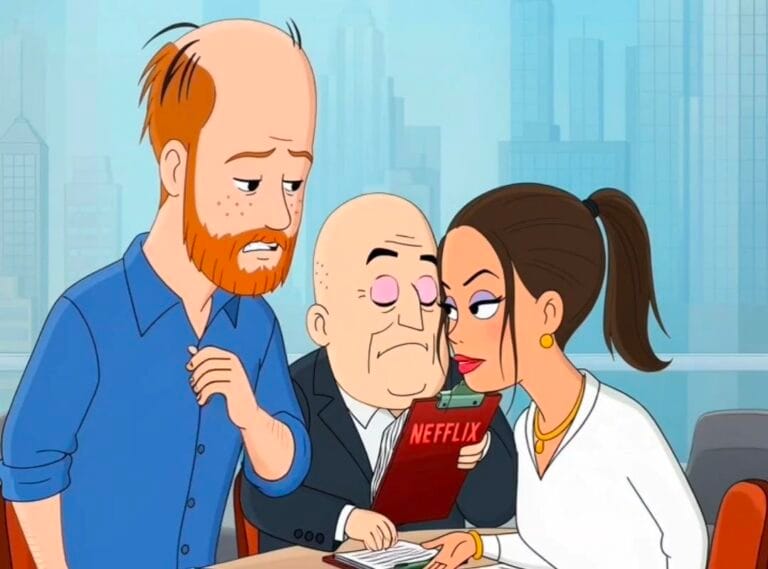
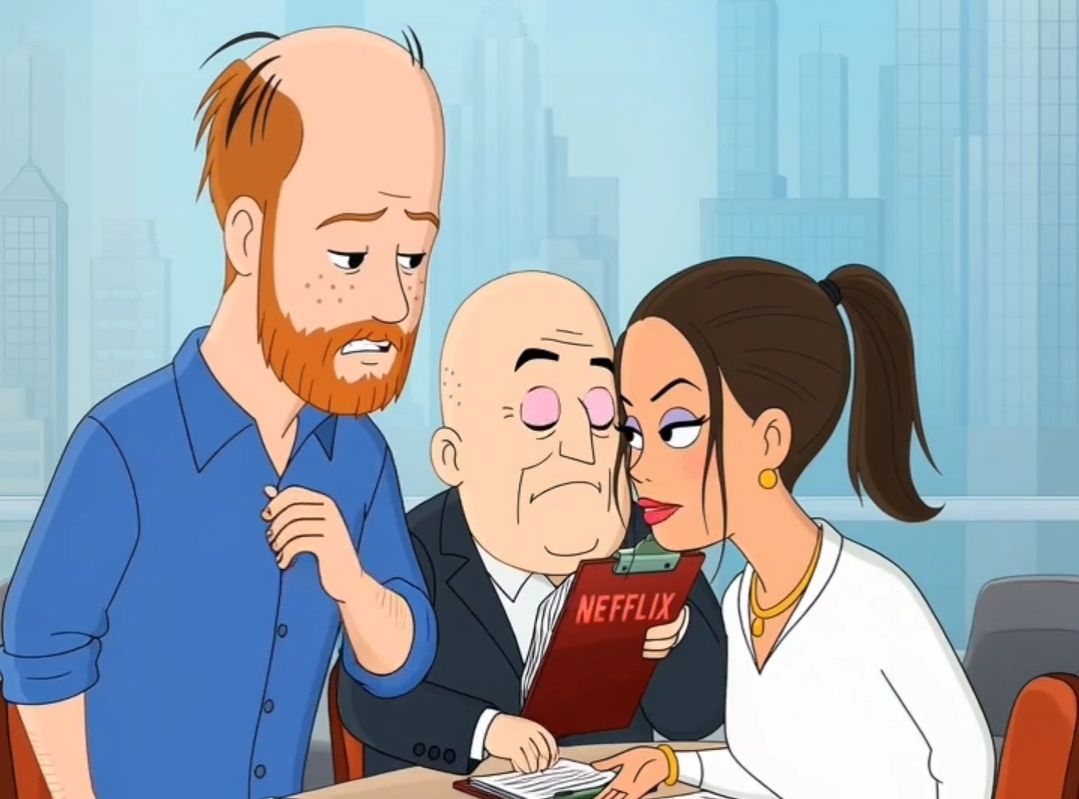
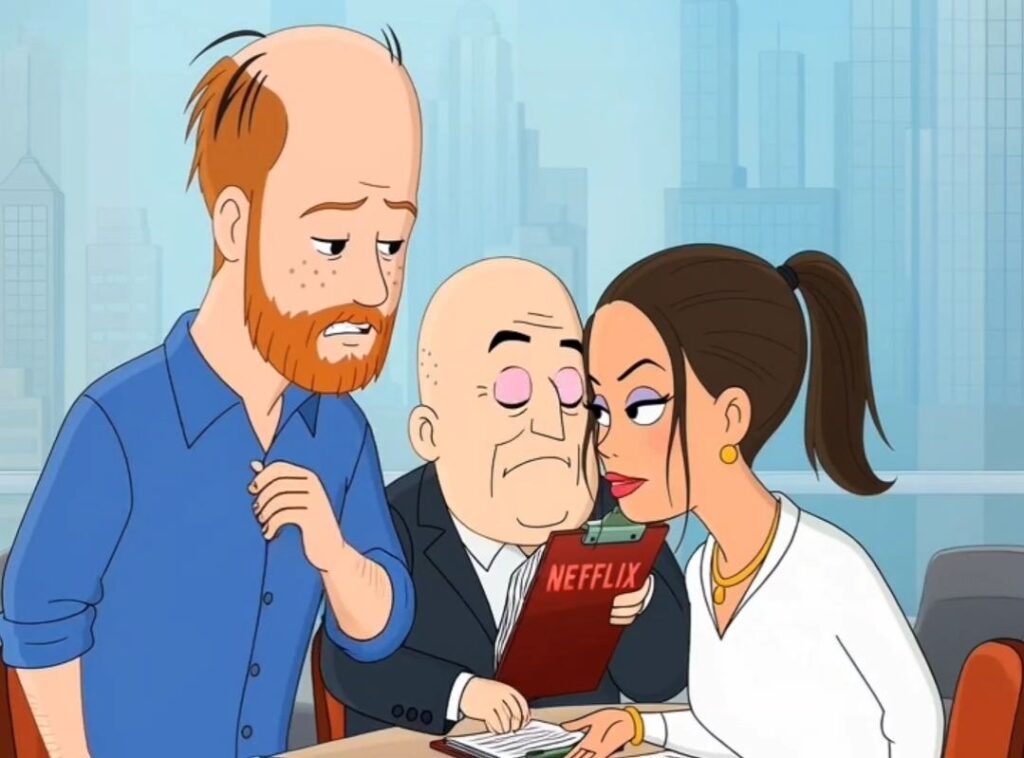
It’s not just the charity feeling the pinch. Archewell Productions, the content arm behind hits like the Netflix docuseries *Harry & Meghan* and the polo series, has seen major partnerships fizzle. The once-lauded $100 million Netflix deal? Sources say much of it went to production overheads and staff, not straight to the Sussexes’ pockets. Spotify walked away after one podcast season, and Meghan’s lifestyle brand As Ever reportedly sits on millions in unsold inventory—candles, teas, and spreads gathering dust in warehouses while storage fees pile up. Rumors swirl of $20 million-plus in tied-up stock, turning what was meant to be a Goop-style empire into a costly headache.
Prince Harry’s personal finances tell a similar tale of adjustment. Estimates peg the couple’s combined net worth at around $60 million in 2026—solid money by most standards, built from his inheritance (roughly $10 million from Princess Diana plus additional funds from the Queen Mother’s trust when he turned 40), book deals like *Spare*, speaking gigs (often commanding seven figures), and past media windfalls. But that fortune isn’t infinite. Gone is the annual Duchy of Cornwall allowance that once cushioned royal life (estimated at hundreds of thousands yearly for working royals). In its place? A high-burn lifestyle in one of America’s priciest zip codes.
Security alone reportedly costs $2–3 million annually—non-negotiable after threats and legal battles. Add a hefty mortgage on their $14 million+ home, household staff, travel, and the expenses of raising two young children in elite circles, and the math gets brutal. Reports suggest Harry has “no steady income” beyond sporadic paid appearances, rarely ventures out, and has even set up a separate office from Meghan as professional paths diverge. One insider described him as “adrift and isolated,” banking on motivational talks while the couple’s once-lucrative Hollywood shine fades.
Contrast this with the life Harry left behind. His brother, Prince William, now Prince of Wales, draws a reported $30 million+ annual income from the Duchy of Cornwall—a private estate worth over $1 billion that funds the heir’s lifestyle, staff, and duties without touching taxpayer money. William’s path offers stability, prestige, and zero worries about payroll or unsold candles. Harry? He’s learning that “financial independence” means exactly that—no safety net, no automatic top-ups, just the grind of earning every dollar in a competitive market where royal cachet only goes so far.
The Sussex camp pushes back hard, insisting Archewell’s losses reflect deliberate spending on impact—drawing down reserves to fund programs rather than hoarding cash. A spokesperson called it “intentional” and committed to “maximizing social return.” But critics aren’t buying it. Tabloids and royal watchers point to the pattern: big promises, flashy launches, then quiet retreats, layoffs, and red ink.
For a man who once flew helicopters in combat and championed veterans through Invictus, the current chapter must sting. Harry traded the certainty of royal privilege for the uncertainty of self-made success—and in 2026, that gamble looks riskier than ever. As one source put it bluntly: “There’s no endless pot of gold when you’re not part of The Firm anymore. Welcome to the real world, Your Royal Highness.”
Whether this is a temporary rough patch or the beginning of a bigger reckoning remains to be seen. But one thing is clear: Prince Harry is finding out—quickly and expensively—that freedom comes with a very real price tag.