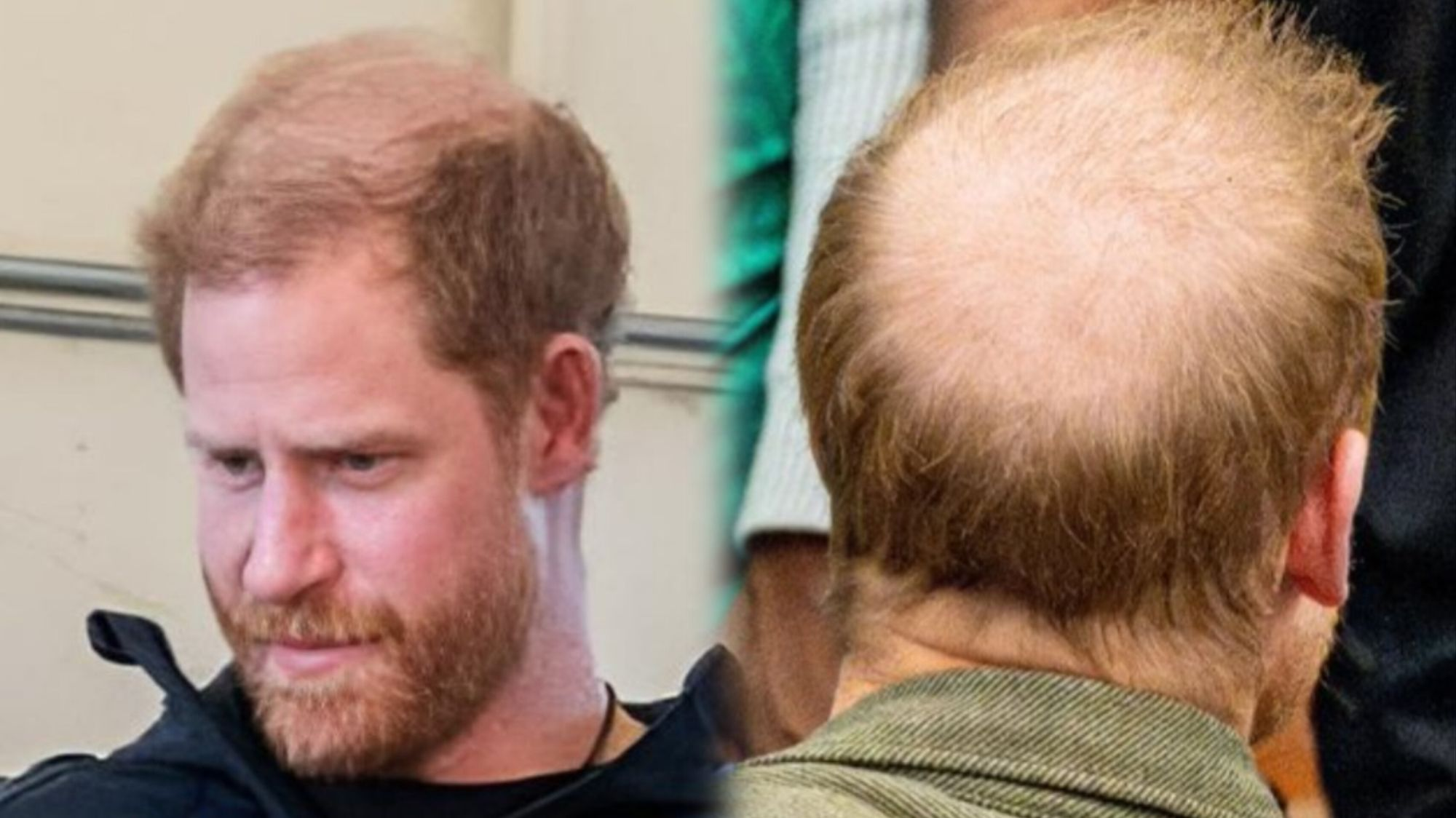
In the glittering yet unforgiving world of royal scrutiny, where every strand of hair is dissected with the precision of a surgeon’s scalpel, Prince Harry, the Duke of Sussex, has once again found himself at the center of a follicular firestorm. Once the dashing ginger prince whose locks evoked the windswept romance of a fairy-tale hero, Harry now sports a hairstyle that can only be described as a tragic comedy of errors—a patchy, unkempt mop that bears an uncanny resemblance to, dare we say it, pubic hair desperately clinging to life. The question on everyone’s lips, from tabloid editors to TikTok trolls, is this: Should Prince Harry finally surrender to the barber’s chair and opt for a decent, dignified haircut, or persist in this ill-fated attempt to cultivate more of what looks like a misplaced thatch from below the belt? The answer, dear readers, is resoundingly clear: It’s high time for Harry to clip the chaos and reclaim some semblance of royal respectability. Anything less is not just a bad hair day; it’s a bald-faced betrayal of his public image.
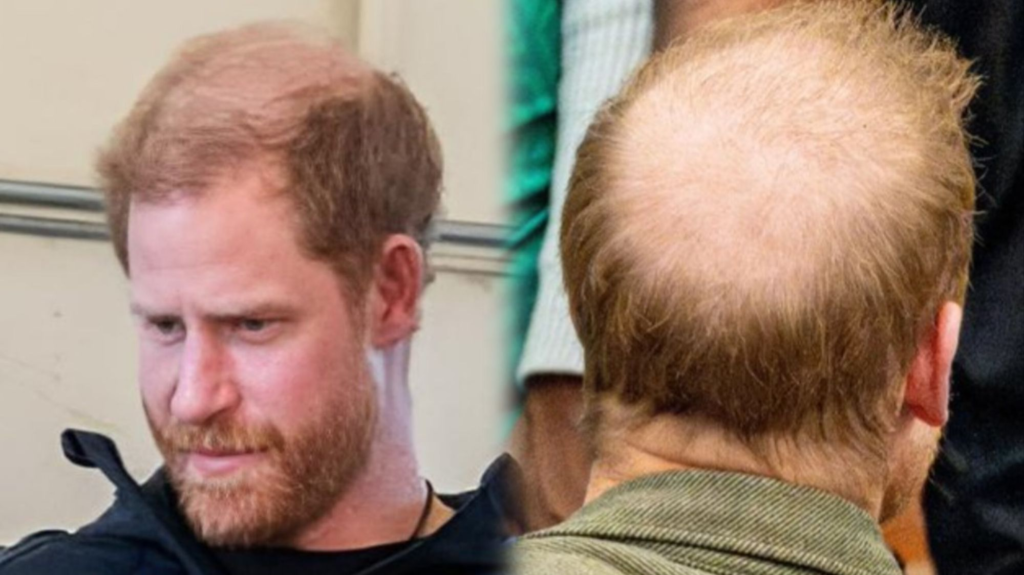
Let’s rewind the royal hair timeline to understand how we arrived at this hairy predicament. Prince Harry, born Henry Charles Albert David in 1984, entered the world with a crown of fiery red hair that quickly became one of his most endearing trademarks. In his youth, those tousled waves symbolized the playful rebellion of a second-born son—think polo matches under the sun, military fatigues framing a boyish grin, and red-carpet appearances where his mane added a touch of roguish charm. Even during his time in the British Army, where regulations demanded a certain level of grooming, Harry’s hair maintained a disciplined yet vibrant allure. But fast-forward to the post-Megxit era, and the narrative shifts dramatically. Freed from the constraints of palace protocol—or so he claims—Harry’s hairstyle has devolved into a symbol of his broader unraveling.
Observe the evidence from recent public outings: At the 2023 Invictus Games in Düsseldorf, Harry’s hair appeared thinned and erratic, with uneven patches that screamed neglect rather than intention. Fast-forward to his Netflix appearances and book tours for *Spare*, and the situation worsened. What was once a full head of ginger glory now resembles a sparse battlefield, with receding temples and a crown that’s more bald spot than regal. Critics—and let’s be honest, the internet at large—have likened it to pubic hair for good reason. Pubic hair, by nature, is coarse, curly, and often grows in unpredictable patterns, prioritizing function over form. It’s not meant for public display, hidden away for a reason. Yet here is Harry, parading what looks like a transplanted pubic patch atop his head, as if defying the laws of aesthetics and good taste. Is this a deliberate act of defiance against the baldness that plagues his Windsor lineage—think Prince William’s polished dome—or merely a lazy oversight from a man too busy spilling family secrets to schedule a trim?
The condemnation here is not superficial; it’s rooted in the deeper implications of Harry’s hairy hypocrisy. As a self-proclaimed advocate for mental health, vulnerability, and personal growth through initiatives like Archewell and the Invictus Games, Harry positions himself as a beacon of authenticity. But authenticity doesn’t equate to slovenliness. A decent haircut isn’t just about vanity; it’s about self-respect and projecting an image that inspires rather than invites ridicule. Imagine the veterans he champions looking up to him—men and women who’ve faced unimaginable hardships—only to see a leader whose appearance suggests he’s given up on the basics. It’s demoralizing. Moreover, in an era where public figures are held to ever-higher standards of presentation, Harry’s refusal to address his follicular failings smacks of entitlement. He left the royal family to escape scrutiny, yet he thrusts himself into the spotlight with a hairstyle that practically begs for memes and mockery. One viral tweet summed it up perfectly: “Prince Harry’s hair looks like he tried to grow a beard on his scalp and failed miserably.” Harsh? Perhaps. Accurate? Undeniably.
Delving deeper into the science of it all, let’s consider the biology behind Harry’s hair horror. Male pattern baldness, or androgenetic alopecia, runs rampant in the British royal family, courtesy of genetics passed down from the likes of Prince Philip and King Charles. By his mid-30s, Harry was already showing signs of thinning, a fate he shares with his brother William, who wisely embraced the buzz cut years ago. William’s approach—clean, confident, and unapologetic—has allowed him to focus on duties without distraction. Harry, on the other hand, seems trapped in denial, attempting to “grow more” as if sheer willpower could reverse the tide. Hair transplants, plugs, and topical treatments like minoxidil are options readily available to someone of his means, yet he persists with this pubic-esque experiment. Is it pride? Laziness? Or a misguided attempt to cling to his youthful identity amid a life of exile in Montecito? Whatever the reason, it’s failing spectacularly. Dermatologists agree: Uneven growth patterns, especially in redheads where follicles are fewer and finer, only exacerbate the issue. Harry’s current style—if we can call it that—accentuates the bald spots, drawing the eye to the very flaws he’s trying to hide. It’s like wearing a neon sign that reads, “Look at my receding hairline!”
But the critique extends beyond the personal to the cultural. In a society obsessed with image, Harry’s hair choices reflect a broader royal rebellion gone awry. Meghan Markle, his poised and polished wife, consistently steps out with impeccable blowouts and elegant updos, a stark contrast that only highlights Harry’s disheveled state. Together, they aim to redefine royalty for the modern age, yet his appearance undermines that mission. Remember the Oprah interview, where revelations flew like confetti? Harry’s hair, even then, was a distracting sideshow—wispy strands fighting a losing battle against the California breeze. It’s condemning because it distracts from his causes. When he speaks on climate change or racial injustice, the conversation inevitably veers to “What’s going on with Harry’s hair?” This isn’t fair to his advocacy work, but it’s a self-inflicted wound. A simple, decent haircut—perhaps a classic crew cut or a textured fade—could restore focus to his message, proving that maturity involves accepting change, not resisting it with pubic-like persistence.
Critics might argue that judging someone by their hair is petty, a relic of superficial tabloid culture. But in Harry’s case, it’s emblematic of a larger pattern of poor decisions. From suing the press to spilling salacious family details, he’s cultivated an image of the perpetual victim, and his hairstyle mirrors that chaos—untamed, unresolved, and unflattering. Keeping this look isn’t edgy; it’s embarrassing. It’s time for intervention: Friends, family (what’s left of them), stylists—someone needs to stage a royal hair intervention. Picture it: Harry emerging from a Beverly Hills salon with a sharp, modern cut, ginger hues gleaming under the lights. No more pubic parallels, no more punchlines. Just a man who looks the part of the leader he aspires to be.
In conclusion, Prince Harry, the world is watching, and your hair is not helping your case. Ditch the desperate growth attempts that evoke unfortunate comparisons and embrace a decent haircut. It’s not about conforming to outdated standards; it’s about honoring yourself and your platform with the dignity they deserve. Anything less is a royal abdication of style, and frankly, we’ve had enough of those. The barber’s chair awaits—will you answer the call, or let the pubic-like disaster reign supreme? The choice is yours, but history, and the hair gods, will judge harshly if you don’t.