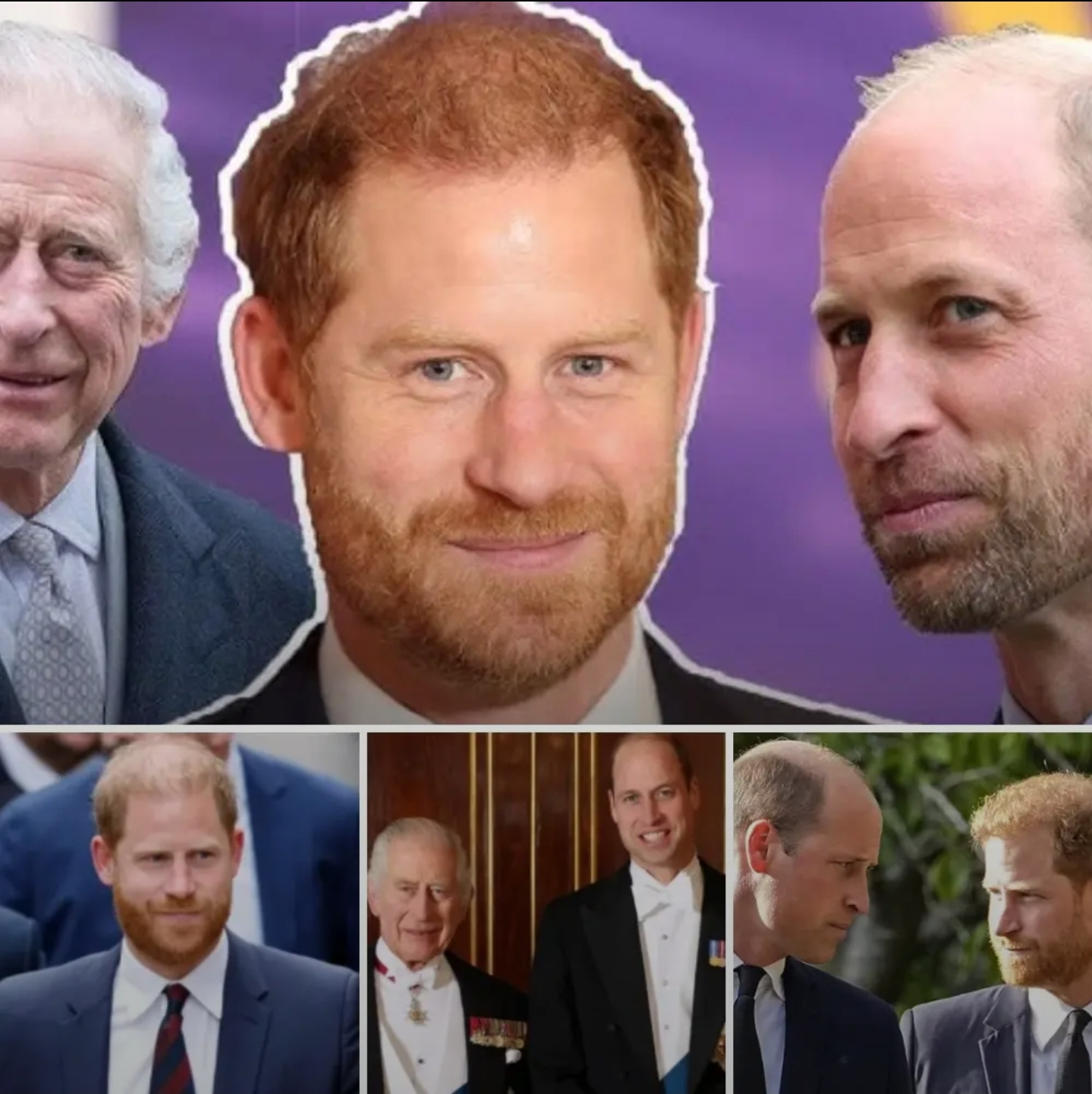
Prince Harry’s memoir Spare arrived like a cultural earthquake — a raw, turbulent narrative that pulls readers directly into the emotional storm of a man born into monarchy yet desperate to escape it.
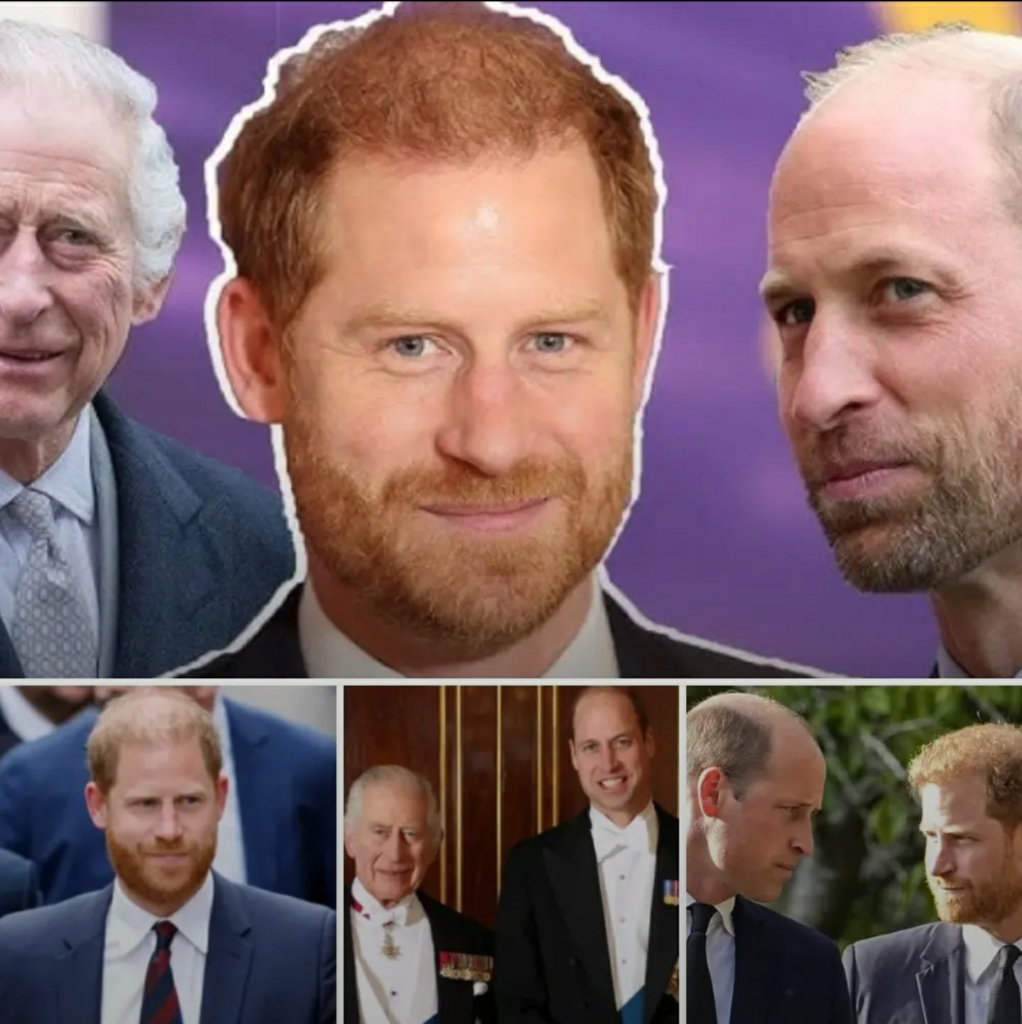
According to publisher Penguin Random House, the book sold 1.43 million copies across formats in the U.S., Canada, and the U.K. on its first day alone, setting a record-breaking 400,000 sales in the U.K. Shannon DeVito, director of books at Barnes & Noble, told The New York Times: “People rushed in before work, during lunch, after work — the pace was unlike anything we’ve seen.”
Yet despite commercial success, critics describe Spare as a deeply conflicted work. Vox called it “a contradictory memoir — part wounded confession, part bitter attack — strangely compelling, yet raising the question of whether it should ever have been published.”
At 400 pages, Spare is a dizzying whirlwind of royal trauma: The death of Princess Diana, Harry’s stunted and lonely childhood, his years in the military, his marriage to Meghan Markle, and the explosive decision to leave royal life in 2020.
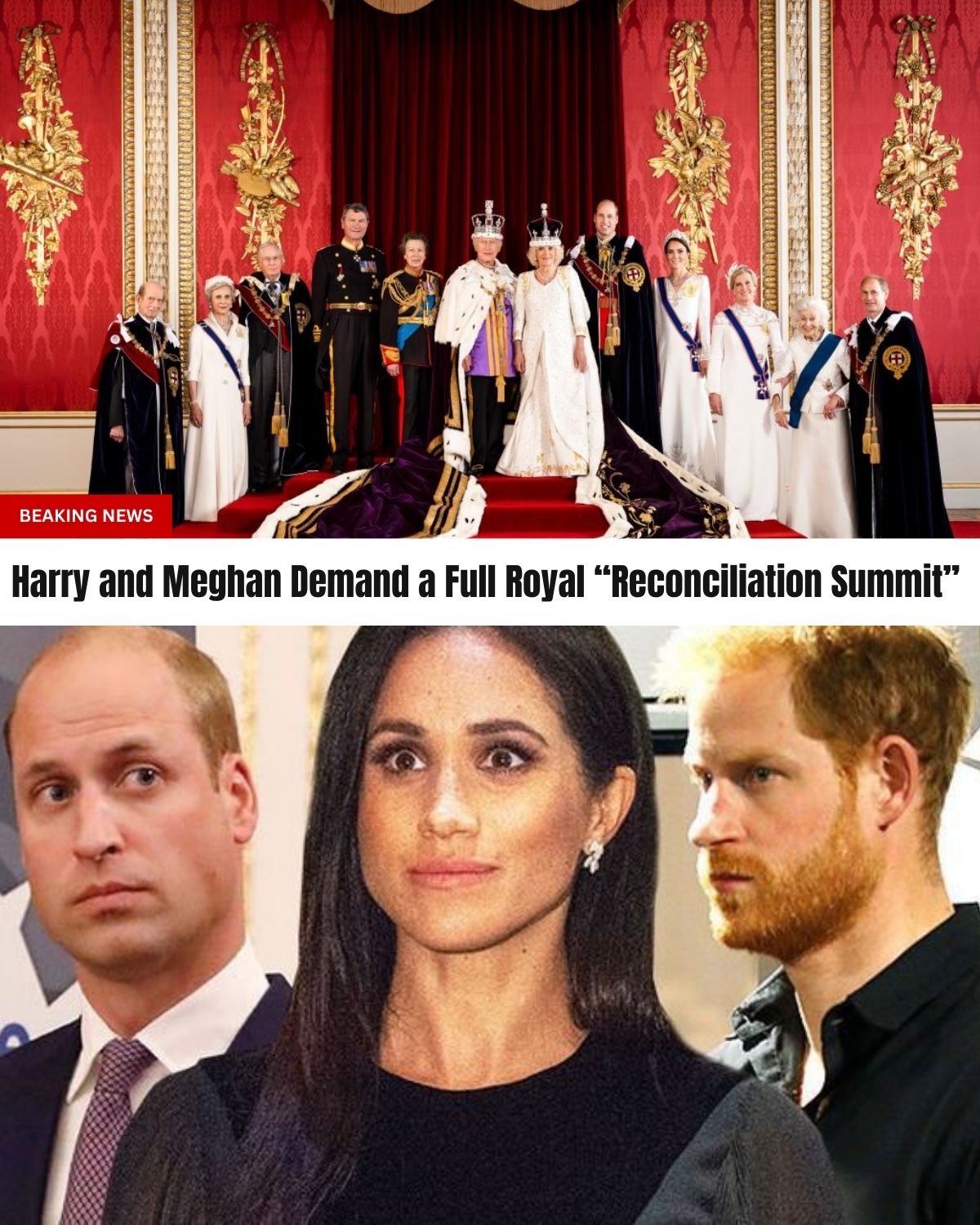
Pulitzer Prize–winning author J.R. Moehringer, who ghostwrote the memoir, shapes Harry’s voice with clarity and restraint. Even mundane palace details — aristocrats fighting over parking spaces at Kensington Palace, or Princess Margaret gifting holiday presents so stingy they bordered on insulting — become vivid snapshots of royal absurdity.
Through Moehringer’s prose, Harry emerges as earnest, blunt, humorous, unfiltered — sometimes painfully so. He admits he never understood Meghan’s references to books like Eat Pray Love; she possessed a literary fluency he did not.
But beneath the anecdotes lies a deeper emotional thread:
the love Harry once had for his father and brother — now fractured, perhaps beyond repair.
King Charles is remembered as a gentle, forgetful dad who left tender notes on Harry’s pillow. Prince William was the only person who truly understood Harry’s grief after their mother’s death — a brother who once shared every secret, every burden.
Now, Harry says, both men have been “corrupted by the crown.”
“The Spare” — Born for Sacrifice
One of the book’s most controversial claims is Harry’s description of his role within the monarchy:
“I was brought into the world in case something happened to Willy. I could be called upon to provide support, distraction… or spare parts. A kidney. A blood transfusion. Bone marrow.”
Harry insists the logic of monarchy means heirs must always be protected — and spares kept expendable.
He claims Charles and William frequently allowed him to absorb negative press to shield themselves from scrutiny. According to Harry, “the heir must be protected at any cost” — and he was the cost.
The Breaking Point: Marriage to Meghan
Harry writes that when he married Meghan, William’s interference became unbearable. Arguments escalated until a physical altercation erupted:
William allegedly shoved Harry so hard he fell onto a dog bowl, shattering it beneath him.
When William urged him to “hit back like when we were kids,” Harry refused.
Financial tension followed. Harry says he was “shocked” that Charles refused long-term financial support — despite a system where “being a prince made us both unemployed.”
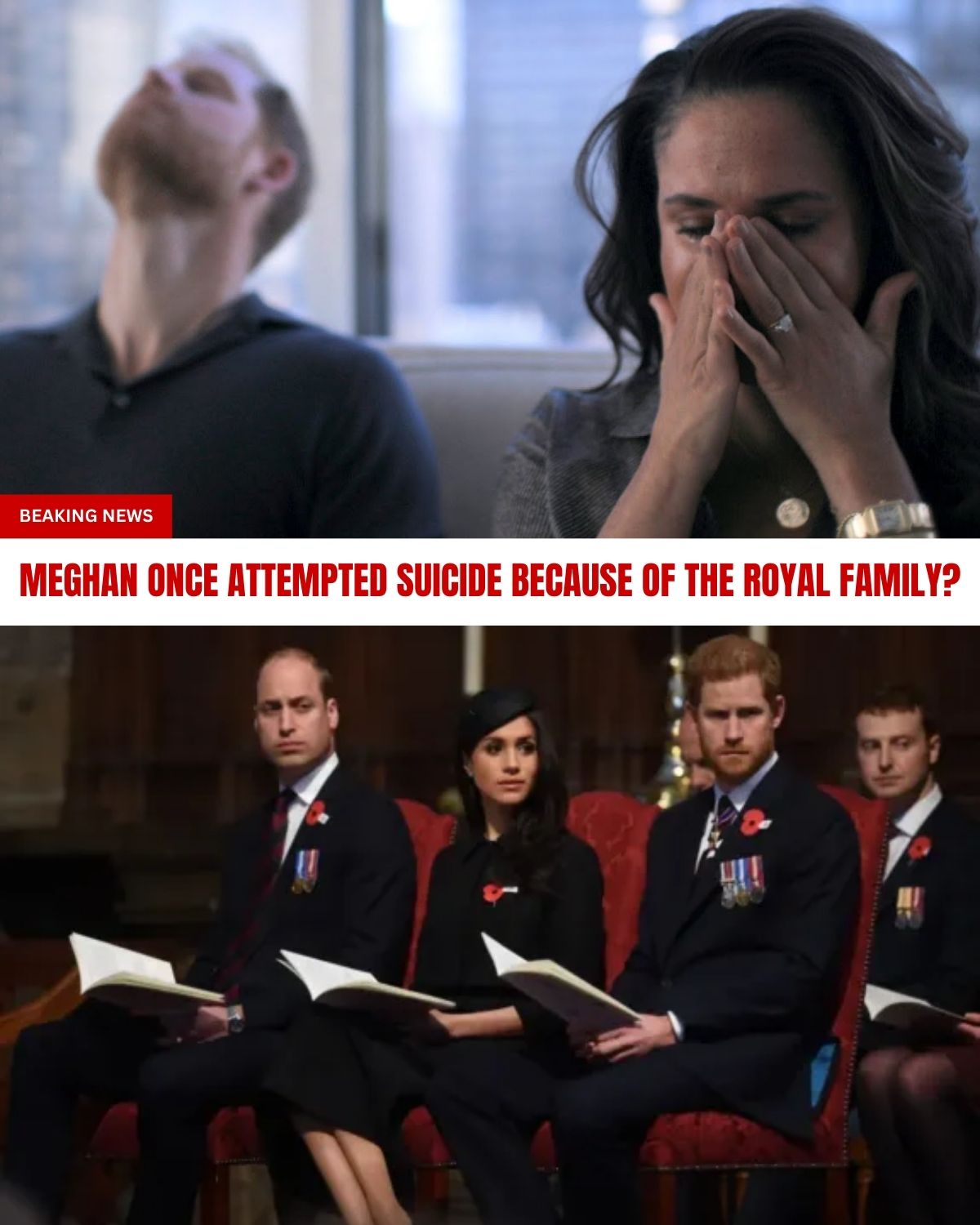
The scrutiny on Meghan spiraled so severely that Harry recounts her confessing she’d once considered ending her life due to relentless tabloid harassment.
War, Trauma, and Loneliness
Harry details his time in Afghanistan, where he killed 25 Taliban fighters, a revelation that sparked global debate. After returning home, he suffered panic attacks, struggled with crowds and open spaces, and found solace only in rewatching Friends, relating most to Chandler Bing.
Love–Hate With the Press
Harry despises the tabloids — comparing the click of a paparazzi shutter to the crack of a gunshot — but also seems unable to look away.
He admits he tracks journalists obsessively, gives them mocking nicknames, and craves their coverage even as he blames them for his mother’s death.
One therapist suggested he was “addicted to the media.” Harry didn’t deny it.
A Silent Accusation Against the Monarchy
Critics say Spare reads like a coded indictment of the British royal system — a portrait of a family twisted by duty, hierarchy, and the obsessive protection of heirs.
Yet Harry expresses reverence for the crown’s symbolism:
“The crown seemed to contain an inner energy, something greater than the sum of its jewels… But I couldn’t stop thinking how tragic it was that it remained locked inside the Tower.”
How the Royal Family Sees It
Columnist Constance Grady summarized the likely reaction inside the palace:
“Charles and William will see this not as a confession, but as a profound betrayal.
Even if they never read it, the interviews, the Netflix series, the nonstop media cycle — Harry has delivered his story to the world.
In doing so, he has become the very thing he despises: a journalist in his own right.”