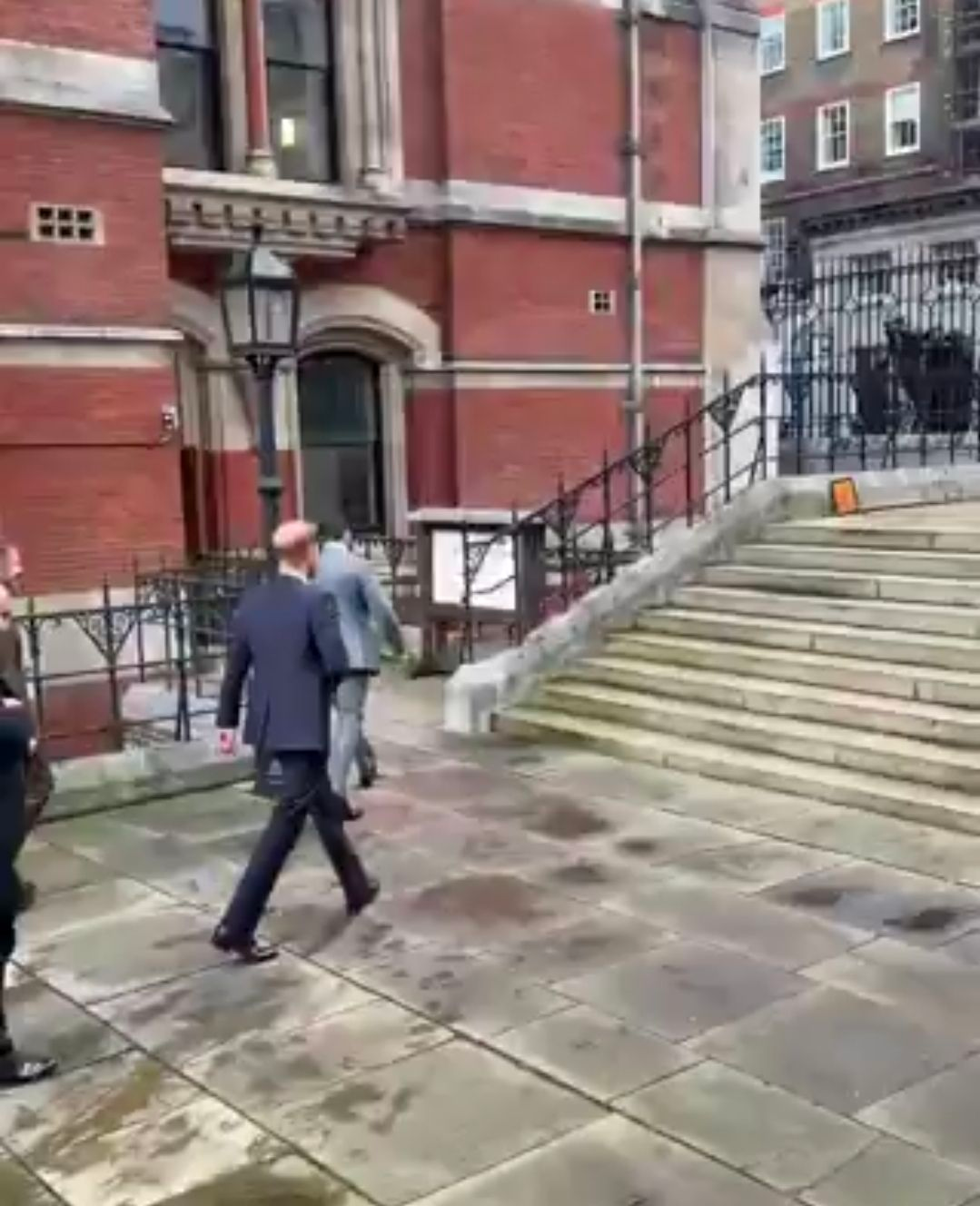
In a spectacle that could only be scripted in the fevered dreams of a Hollywood publicist, Friar Harry—once known as Prince Harry, now forever etched in public memory as “Spare Harry”—strode into London’s High Court on January 21, 2026, for Day 2 of his latest legal crusade against the British press. What was billed as a principled stand against alleged privacy invasions by Associated Newspapers, publishers of the Daily Mail and Mail on Sunday, quickly devolved into a masterclass in emotional manipulation. With his voice cracking, eyes welling up, and dramatic pauses that would make any soap opera star envious, Harry transformed the solemn proceedings into a personal pity party, railing against the media for making his wife Meghan’s life “an absolute misery.” But let’s peel back the layers of this royal performance: Is this genuine anguish, or just another calculated bid for public sympathy from a man who has built a post-palace career on victimhood?
To understand the sheer audacity of Harry’s courtroom theatrics, we must first revisit the context of this lawsuit. Harry, alongside six other high-profile claimants including Elton John and Elizabeth Hurley, is accusing Associated Newspapers of unlawful information gathering over a 20-year period. This includes allegations of phone hacking, hiring private investigators, and other intrusive tactics that, if proven, would indeed represent a serious breach of privacy. Harry himself provided a 23-page witness statement, detailing how these intrusions left him “paranoid beyond belief” and distressed by the constant scrutiny. On paper, it’s a compelling narrative—one that echoes his previous victory against Mirror Group Newspapers in 2023, where he became the first senior royal in over a century to testify in court.
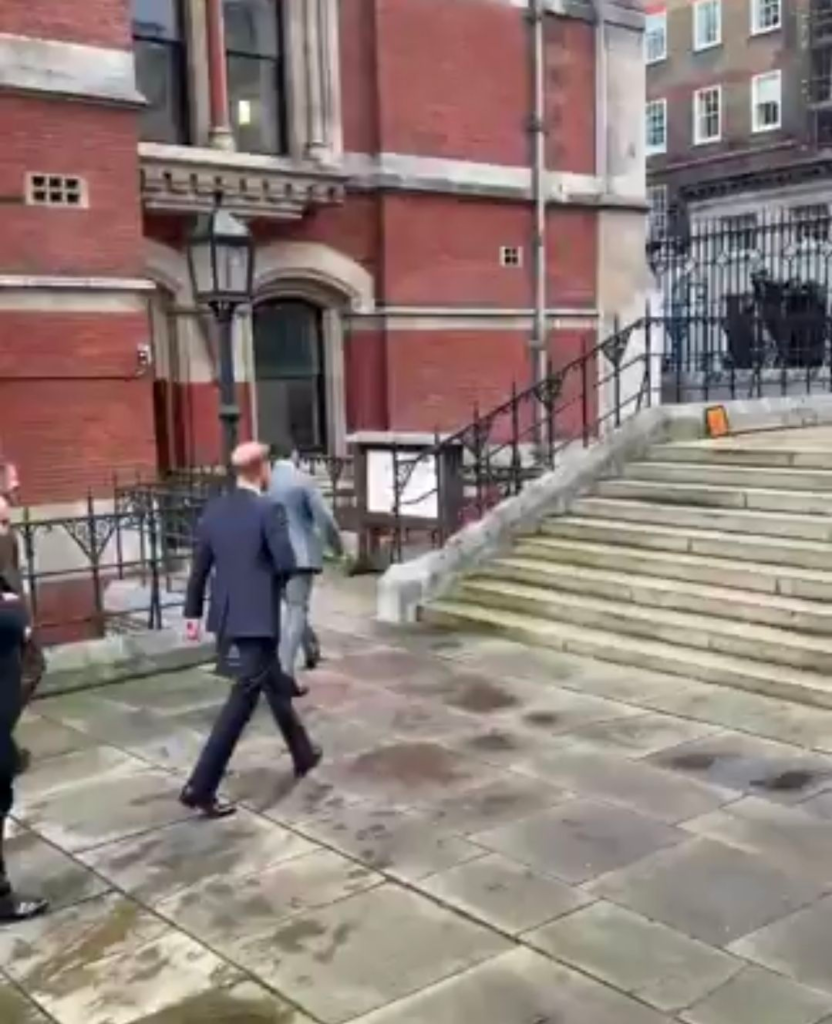
But Day 2 of this trial, under the stern gaze of Justice Fancourt at the Royal Courts of Justice, revealed a different story. Arriving promptly around 11 a.m. local time, Harry waved cheerfully to the crowds outside, a stark contrast to the emotional wreck he would portray inside. Taking the stand for the second time in his litigious saga, he faced off against Associated’s barrister, Antony White KC, in what devolved into a series of tetchy exchanges. Harry adamantly denied suggestions that his social circle was “leaky,” insisting, “For the avoidance of doubt, I am not friends with any of these journalists and I never have been.” He dismissed claims that stories about his life stemmed from insider tips rather than illicit means, portraying himself as a besieged figure isolated from the very world he once inhabited.
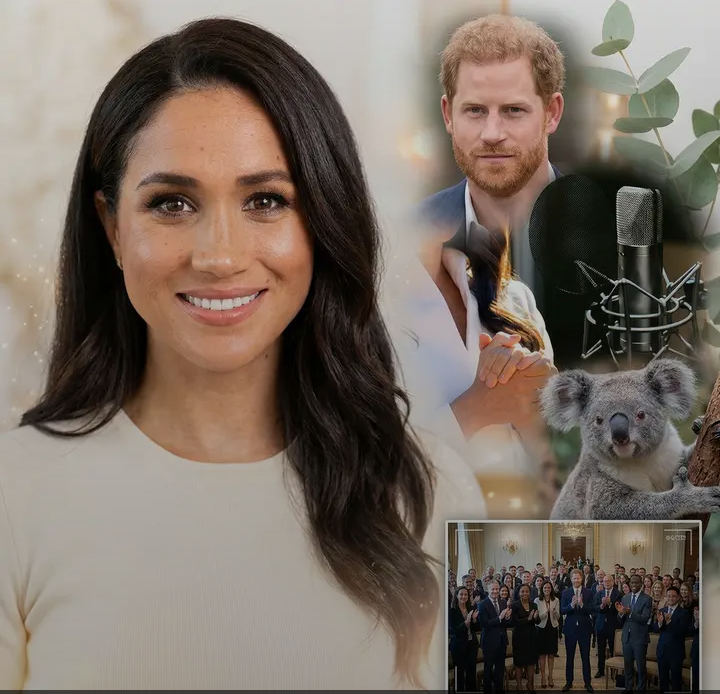
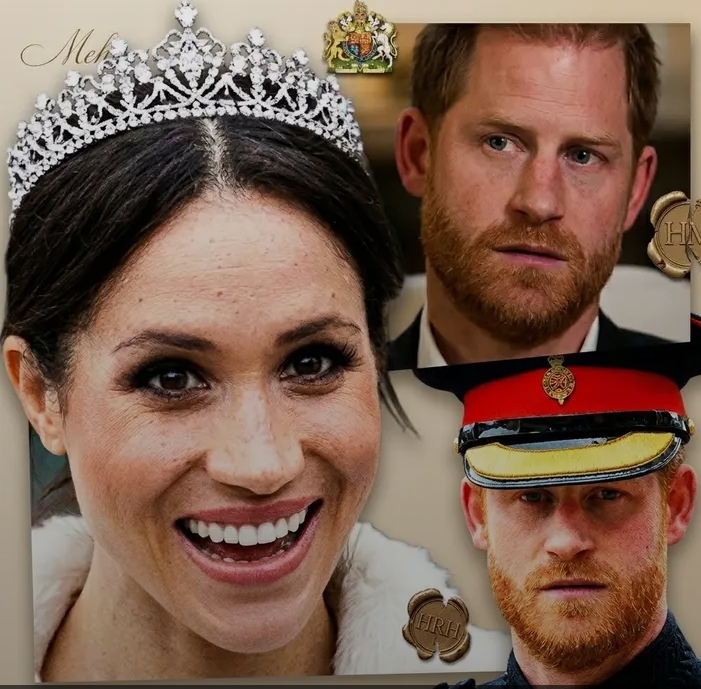
The real drama, however, unfolded when Harry’s testimony veered into deeply personal territory. Questioned about the ongoing impact of the litigation, his composure cracked like fine china under pressure. “They continue to come after me,” he declared, his voice faltering. “They have made my wife’s life an absolute misery, my lord.” As reported by multiple outlets, including The Guardian and Reuters, Harry appeared on the verge of tears, choking up as he elaborated on the “vicious persistent attacks,” harassment, and even racist articles directed at Meghan, who is biracial. This emotional crescendo wasn’t just a momentary lapse; it was the centerpiece of his performance, designed to humanize him in the eyes of the public and the court.
Yet, one can’t help but question the authenticity of this display. Harry has long mastered the art of leveraging personal pain for public gain. His 2023 memoir *Spare*—a blockbuster that sold millions on the back of salacious royal revelations—painted him as the eternal underdog, the “spare” to his brother’s heir. His Netflix docuseries with Meghan, *Harry & Meghan*, similarly framed their exit from royal life as a heroic escape from institutional cruelty and media hounding. Now, in court, he invokes the same tropes: the paranoid prince, the suffering spouse, the relentless pursuit by a “vile” press. As he stated in his witness statement, he has “always had an uneasy relationship” with the media, but admits there was “no alternative; I was conditioned” to endure it as part of the royal “institution.” He even took a swipe at the family’s motto: “Never complain, never explain,” implying his silence was enforced until he broke free.
This narrative conveniently overlooks Harry’s own complicity in the media ecosystem. For years, he courted favorable coverage, from glossy magazine spreads to orchestrated photo ops. His decision to sue now, years after many of the alleged incidents, smacks of opportunism—especially as his post-Megxit ventures, from Archewell to high-profile speaking gigs, thrive on his anti-establishment persona. Critics, including Associated’s legal team, have labeled his claims “threadbare” and accused him of “clutching at straws.” White grilled him on the specifics, pointing out that many stories could have come from public sources or willing informants, not hacking. Harry’s responses were combative, at times evasive, as he insisted the press had “singled him out” and “forced” him to quit royal life.
Moreover, the timing of this emotional outburst raises eyebrows. With the trial expected to last nine weeks, Harry’s testimony sets the tone for the other claimants. By framing the case not just as a legal battle but as a moral crusade against a press that has “hit rock bottom,” he positions himself as the martyr-in-chief. He accused journalists of having “blood on their hands,” a hyperbolic claim that echoes his past attacks on the media following his mother Princess Diana’s death in 1997. But while Diana’s tragedy was undeniably linked to paparazzi pursuit, Harry’s grievances often blur the line between legitimate privacy concerns and personal vendettas. As he told the court, “Having them claim that I don’t have any right to privacy is disgusting,” and noted that the harassment has “only got worse” since the litigation began.
Let’s be clear: If Associated Newspapers is guilty of unlawful practices, they should face consequences. The British press has a checkered history of overreach, from the phone-hacking scandals of the early 2010s to invasive reporting on celebrities. Harry’s 2023 win against Mirror Group, where he was awarded £140,600 in damages, proved that accountability is possible. But Harry’s approach undermines the gravity of these issues by turning the courtroom into a stage for self-promotion. His emotional plea about Meghan’s “absolute misery” tugs at heartstrings, but it also distracts from evidentiary rigor. Is this justice, or just another episode in the ongoing Harry vs. The World saga?
In the end, Friar Harry’s Day 2 performance—complete with tears, indignation, and royal digs—may win him sympathy in certain quarters, particularly among his American fanbase. But for those weary of his endless grievances, it reeks of entitlement. A man who jets around the world preaching about climate change while pursuing multi-million-dollar deals isn’t the victim he portrays. As the trial continues, one hopes the court focuses on facts, not theatrics. After all, in the theater of law, sympathy shouldn’t be the star of the show—truth should.

notice the more he lies, the more his hair falls out. He and Meghan have only a nodding acquaintance with truth