In a bombshell revelation that has royal watchers reeling, the unbreakable rules of the British throne make it crystal clear: Prince Harry’s dramatic exit from royal duties and his move to California have done **nothing** to boost his chances of ever wearing the crown. If — God forbid — Prince William were to step away from his position as heir apparent for any reason, the throne would **not** skip to his younger brother. Instead, it would pass directly to William’s eldest child, **Prince George**, followed by Princess Charlotte and Prince Louis. Harry’s name doesn’t even come close until much further down the list.
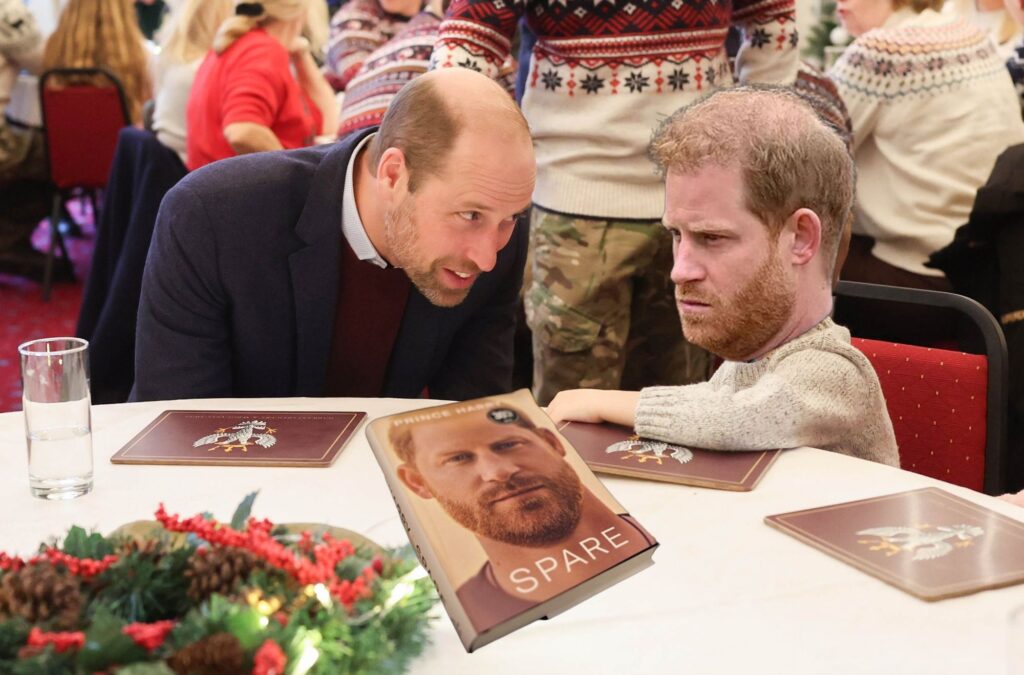
This longstanding fact, often overlooked amid the endless headlines about family feuds and transatlantic tensions, underscores just how secure the line of succession truly is — and why the idea of “Prince Harry next in line” is little more than a persistent myth fueled by speculation and wishful thinking.
### The Ironclad Line of Succession: No Shortcuts, No Comebacks
According to the official line of succession maintained by the royal family and confirmed across multiple authoritative sources including the royal.uk website, Wikipedia’s meticulously updated entry, and reports from People, BBC, and Country Living as of early 2026, the order remains unchanged and unambiguous:
1. **The Prince of Wales (Prince William)** — First in line as King Charles III’s eldest son.
2. **Prince George of Wales** — William’s eldest child, born in 2013.
3. **Princess Charlotte of Wales** — William’s daughter, born in 2015.
4. **Prince Louis of Wales** — William’s youngest child, born in 2018.
5. **The Duke of Sussex (Prince Harry)** — Only fifth in line, well behind his brother’s children.
The Succession to the Crown Act of 2013 cemented absolute primogeniture for those born after October 28, 2011 (meaning gender no longer determines priority among siblings), but the fundamental principle remains: descent flows directly down the generations. When a parent in the line ascends or is removed (through abdication, death, or other extraordinary circumstances), their children move up — not sideways to siblings.
In plain terms: Prince William stepping aside — whether through voluntary withdrawal, incapacity, or any other scenario — would immediately elevate **Prince George** to heir apparent. Princess Charlotte would become second in line, Prince Louis third, and only then would Prince Harry slide into fourth place. Harry’s own children, Prince Archie and Princess Lilibet, follow even further behind.
### Why the “Harry Next” Myth Persists — And Why It’s Completely Wrong
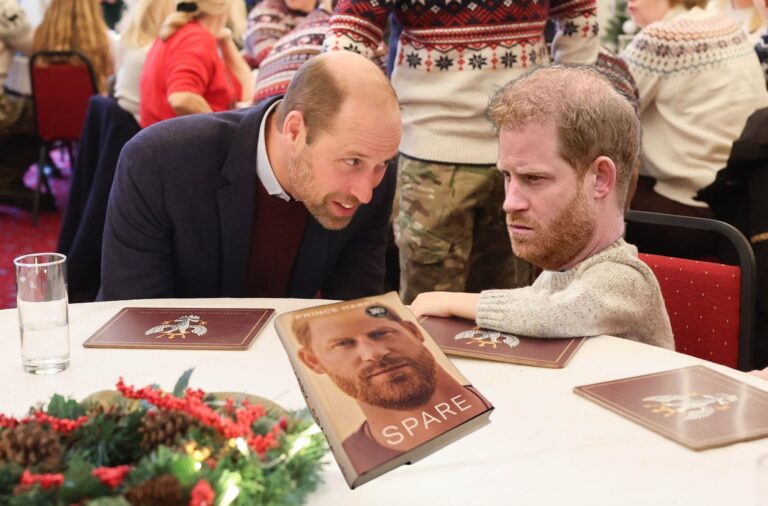
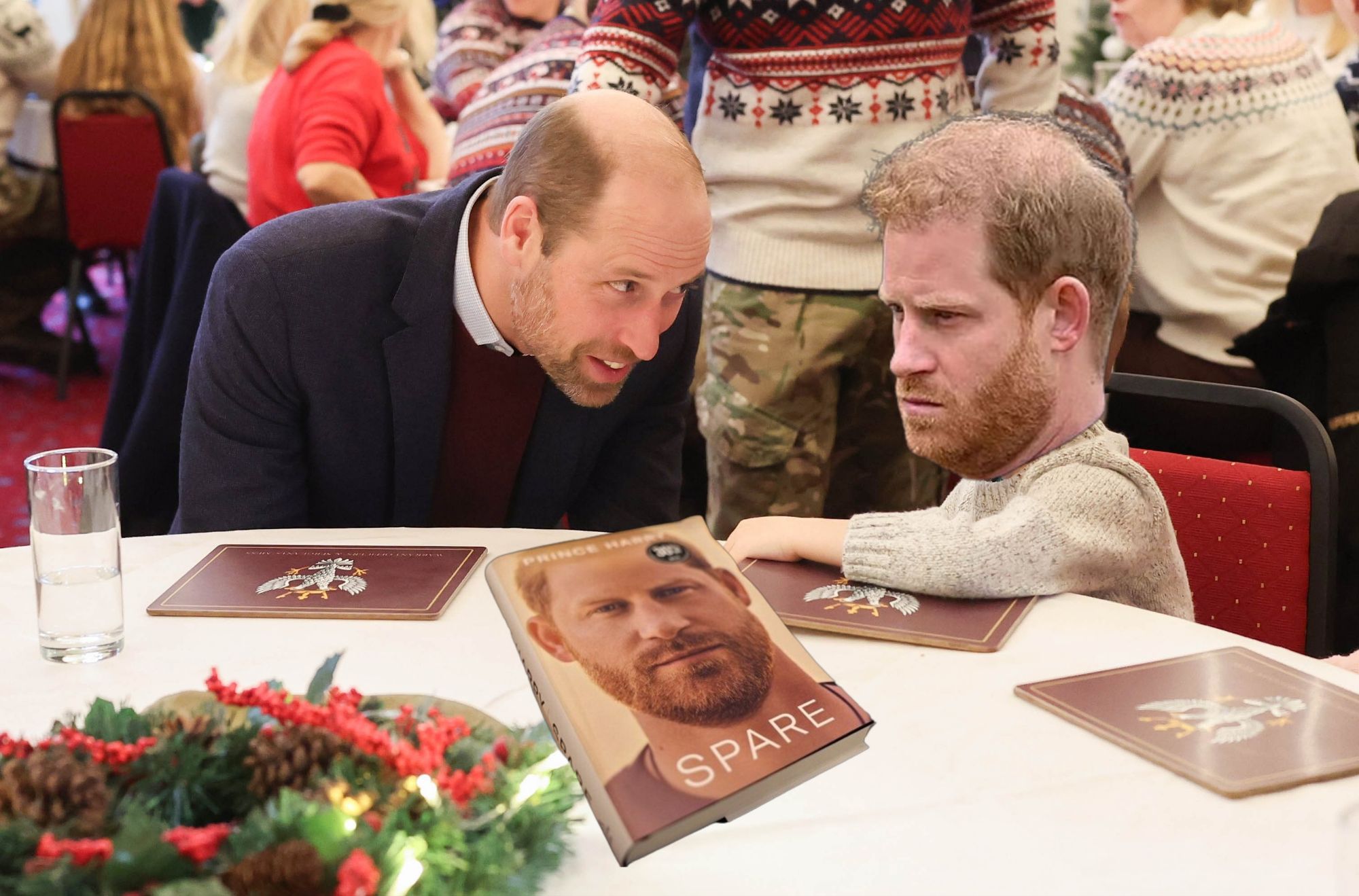
For years, tabloids and social media have spun dramatic narratives suggesting that Prince Harry’s rift with the family, his memoir Spare, and his public criticisms could somehow propel him closer to the throne. Some have even speculated wildly that William’s supposed “stepping away” (amid rumors about his health, workload, or personal choices) might open the door for Harry to reclaim a more prominent role.
But royal experts and constitutional historians are unanimous: that’s simply not how the British monarchy works. The line of succession is governed by parliamentary statute, historical precedent, and centuries of tradition. It isn’t altered by personal disputes, popularity contests, or media frenzy. Siblings do not leapfrog over nieces and nephews — ever.
Think back to history: When King Edward VIII abdicated in 1936, the crown passed to his brother George VI — but only because Edward had no children. If Edward had had legitimate heirs, they would have succeeded him directly. The same logic applies today. William’s children are the direct heirs in waiting, safeguarding the continuity of the Windsor line.
### A New Generation Ready to Lead
Prince George, now a poised teenager, has already begun stepping into public life with increasing confidence. From attending major royal events to accompanying his parents on official duties, the young prince is being carefully prepared for his future role. Princess Charlotte, known for her sharp wit and natural poise, and the ever-energetic Prince Louis add depth and modernity to the future monarchy.
This trio represents stability, youth, and continuity — qualities that many royal observers say are exactly what the institution needs in the coming decades. Prince Harry’s decision to step back from royal responsibilities, while respected as a personal choice, has effectively removed him from active participation in the Firm. His place in the succession remains symbolic at best, a distant fifth position that grows ever more remote with each passing year.
### The Bottom Line: Family First, Tradition Forever
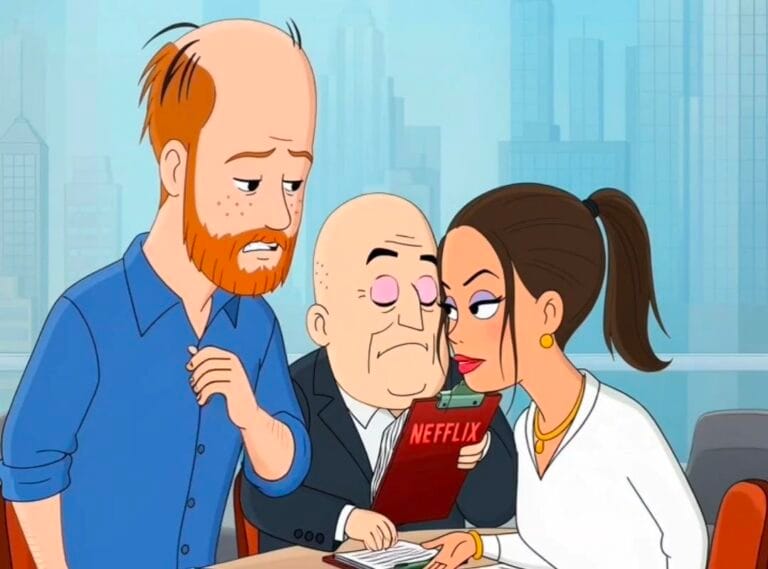
The British throne isn’t decided by headlines, Netflix deals, or sibling rivalries. It’s decided by birth order, parliamentary law, and an unbroken chain stretching back centuries. Prince William’s children are the rightful next generation — and no amount of speculation will change that.
So the next time you hear whispers about “what if Harry becomes king,” remember the real story: If Prince William ever steps away, it’s **Prince George** who steps up — not his uncle. The monarchy’s future is secure, bright, and firmly in the hands of the Wales children.
The crown continues — exactly as it always has.