Meghan Markle and Prince Harry have often portrayed themselves as dedicated humanitarians, but their “humanitarian mask” has been criticized for slipping openly in recent times, revealing inconsistencies and controversies that undermine their narrative.
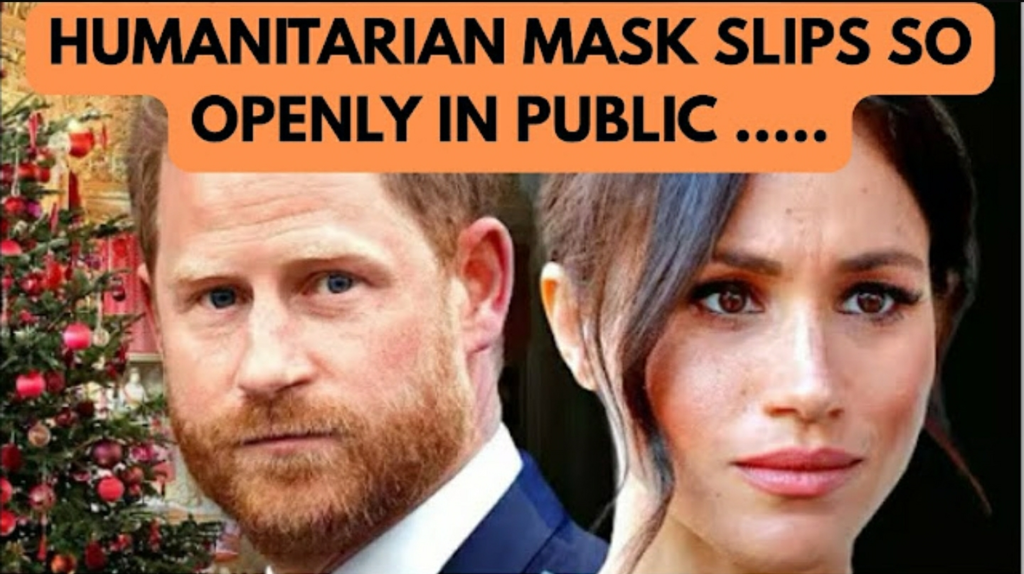
While the Sussexes have been recognized for charitable efforts—such as founding the Archewell Foundation focused on mental health and community support, advocating for safer online spaces for children, and receiving humanitarian awards—their public image and actions have drawn skepticism.
Critics argue that much of Meghan’s humanitarian work is overshadowed by high-profile commercial ventures and media attention, with accusations that some charitable activities serve more as platforms for rebranding rather than genuine transformative impact. There have been concerns about the effectiveness and sustainability of their initiatives and claims that their humanitarianism is intertwined with media strategy and personal branding.
Despite accolades like the “Humanitarians of the Year” award at a New York gala, some royal commentators and observers contend that Meghan and Harry’s approach sometimes falls short of authentic, long-term charity work, appearing as a cycle of publicity-driven events rather than deep-rooted commitment. This perceived disparity has led to public debates about the true motivation behind their philanthropic efforts.