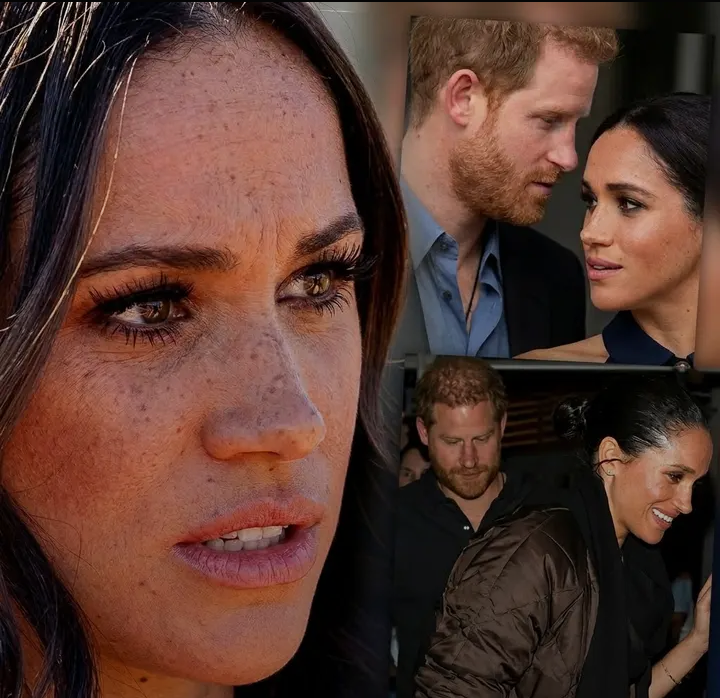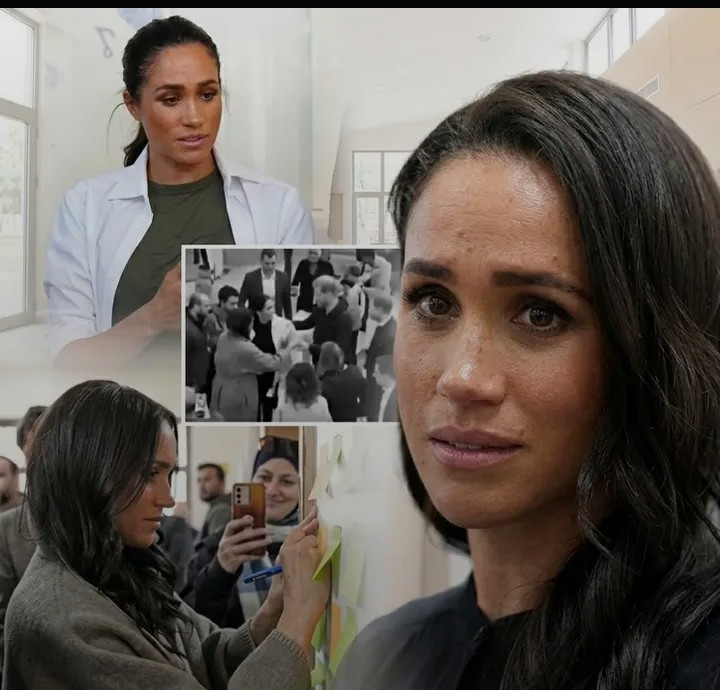
What was expected to be a carefully choreographed humanitarian visit has instead turned into another wave of scrutiny for Meghan Markle and Prince Harry. The couple’s two-day trip to Jordan, intended to highlight global health initiatives and refugee support, has sparked debate online after footage from the visit began circulating. Rather than universal praise, the Sussexes have found themselves facing renewed skepticism — particularly directed at Meghan.Prince Harry And Meghan Markle Receive Brutal Royal “Snub” On Trip To Jordan | Bored Panda
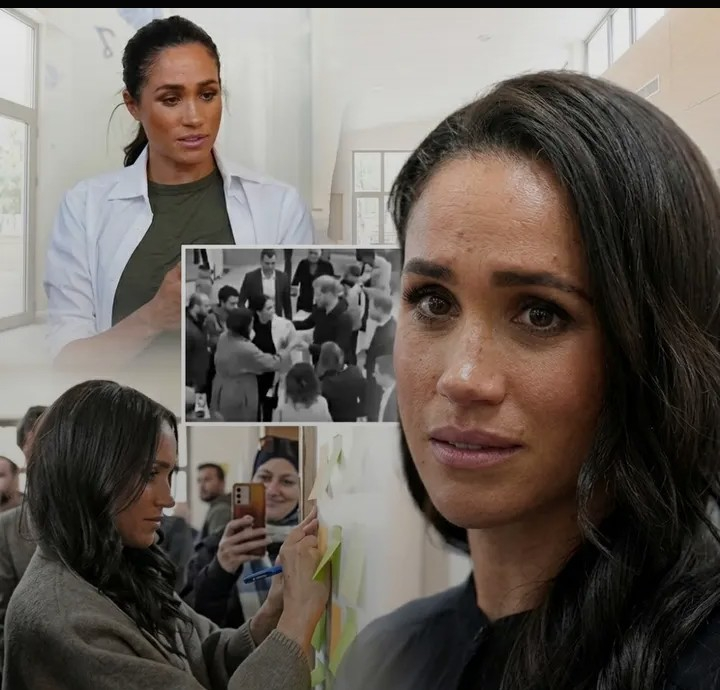
During their stop in Amman, the couple met with medical staff, visited a specialty hospital treating young patients, and engaged with humanitarian organizations including World Central Kitchen and representatives connected to the World Health Organization. On paper, it was the kind of visit that aligns seamlessly with the post-royal identity Harry and Meghan have tried to cultivate: globally engaged, compassion-driven, independent changemakers.Prince Harry And Meghan Markle Receive Brutal Royal “Snub” On Trip To Jordan | Bored Panda
Yet a short video clip shared on social media shifted the conversation. In the footage, Meghan stands beside Harry as officials speak. To some viewers, her facial expressions appeared distant or restrained. Others interpreted her demeanor as solemn and reflective, appropriate for the serious nature of the visit. But online commentary was far less charitable. Critics claimed she looked disengaged, uncomfortable, or even irritated — an interpretation that quickly snowballed across platforms.Meghan today in Jordan during visit to the hospital
“It’s not what she says. It’s what she doesn’t show,” one commentator wrote under the viral clip. Another added, “If this is meant to be heartfelt humanitarian work, why does it feel staged?” These reactions reflect a familiar dynamic: Meghan’s public appearances are often dissected frame by frame, with subtle gestures amplified into larger narratives.
Supporters argue that such scrutiny ignores context. A hospital visit involving injured children and refugee families is not a gala event; solemnity is not indifference. In some moments of the footage, Meghan appears visibly emotional, blinking back tears while listening to a young patient’s story. But in the digital age, still images extracted from a few seconds of video often outweigh the broader reality of the event.
Beyond body language, critics have also raised questions about consistency. Some pointed to the Sussexes’ previous legal battles in the United Kingdom over security arrangements, asking how a surprise visit to the Middle East fits into their publicly stated concerns. “Security was the reason they couldn’t feel safe in Britain,” one social media user commented. “So how does Jordan make sense?” While such comparisons may oversimplify complex security assessments, they underscore the lingering trust gap between the couple and segments of the public.
Interestingly, individuals who reportedly interacted with the Sussexes during the visit have offered mixed but nuanced impressions. Several described Meghan as composed, intensely focused, and deliberate in her conversations. Others suggested she appeared guarded, careful with her words and movements. One local volunteer, speaking informally after the event, remarked, “She listens closely, but you can tell she knows every camera is watching.” That awareness, critics argue, can sometimes come across as calculation rather than spontaneity.
The contrast between public image and perceived authenticity has followed Meghan since she stepped back from royal duties. Comparisons to other royal women — particularly the late Princess Diana and Catherine, Princess of Wales — frequently surface in online discourse. Such comparisons are often unfair and rooted in nostalgia, yet they persist, shaping expectations of how compassion should “look” on camera.
Harry’s role during the trip drew less direct criticism, though he, too, remains part of the broader narrative. Observers noted that he appeared animated and comfortable engaging with medical staff and children. Some analysts believe the difference in public perception stems from long-established media framing rather than any dramatic behavioral gap.
The deeper issue may not be a single facial expression but the broader tension surrounding the Sussex brand. Since leaving their roles as working royals, Harry and Meghan have sought to redefine themselves outside the traditional palace structure. Their supporters see independence and courage. Their detractors see contradiction and image management. Each public appearance becomes another referendum.
Media experts point out that humanitarian visits are inherently vulnerable to misinterpretation in the social media era. “When every second is clipped and reposted, narrative outruns nuance,” one communications strategist observed. “Intent doesn’t matter as much as perception.” In Meghan’s case, perception often arrives pre-loaded with polarized opinions.
It is also worth noting that no official controversy emerged from the organizations involved in the Jordan visit. There were no public complaints, no formal criticisms from hosts or partners. The backlash has largely been fueled by online commentary rather than on-the-record statements from those present.
Still, perception shapes public legacy. The phrase “the mask slipped” has appeared repeatedly in comment threads, reflecting a belief among critics that brief unguarded moments reveal deeper truths. Whether that interpretation is fair remains subjective. Public figures, especially those as scrutinized as the Sussexes, rarely receive the benefit of ambiguity.
In the end, the Jordan trip illustrates a larger reality: for Meghan Markle, the camera is never neutral. A solemn look can be read as disinterest. A measured pause can be labeled discomfort. Every appearance becomes a battleground of interpretation. The visit may have been designed to spotlight global health and humanitarian resilience, but the conversation that followed centered once again on optics and authenticity.
For supporters, the scrutiny proves how relentlessly she is judged. For critics, it confirms long-held suspicions. For the couple themselves, it is likely just another chapter in an ongoing struggle to control a narrative that often seems determined to escape them.