The conspiracy theory claiming that Meghan Markle, the Duchess of Sussex, faked her pregnancies—specifically by wearing a prosthetic “moon bump” that allegedly “fell off” or shifted noticeably—emerged as one of the more bizarre and enduring pieces of online royal folklore. It posits that neither Archie (born May 2019) nor Lilibet (born June 2021) were carried by Meghan herself, with claims ranging from surrogate use to the children not existing at all. Proponents pore over photos and videos for “evidence” of an ill-fitting silicone belly, inconsistent bump sizes, or dramatic shifts during public appearances. But where did this start? How did it spread? And why has it lingered for over six years despite universal debunking? Let’s trace it factually, from its roots to its revivals.
### Timeline: From Whispered Tweets to Viral Hashtags (Late 2018–Early 2019)
The theory didn’t appear overnight. Meghan and Prince Harry announced her first pregnancy on October 15, 2018, during an official tour of Australia, Fiji, and Tonga. She began visibly showing around the Fiji leg, which immediately drew intense scrutiny. By January 2019—months before Archie’s birth—social media users were already dissecting her appearances.
One of the earliest mainstream reports surfaced on January 22, 2019, when outlets like AOL and the International Business Times highlighted Twitter comments claiming her bump looked “fake” or “inflatable.” Users pointed to photos where the bump seemed to change shape or position day-to-day, with remarks like: “Is it just me or does Meghan Markle’s bump look fake?” and allegations of an “inflatable belly.” These weren’t isolated; they built on broader skepticism fueled by Meghan’s acting background (easy access to prosthetics) and her status as the first biracial senior royal, which amplified existing online hostility.
By February 2019, data from social listening firm Brandwatch showed the theory gaining traction. Between January 1 and February 4, 2019, about 16% of social media mentions of Meghan’s pregnancy included terms like “#fakepregnancy” or “#moonbump.” The term “moonbump” directly references MoonBump.com, a real UK company selling high-quality prosthetic bellies for film and TV actors. Theorists claimed Meghan was using one of these strap-on devices, citing “lumpy” or shifting appearances in videos from engagements. A key trigger was footage from public events where the bump appeared to move unnaturally—often explained later by normal factors like clothing shifts, wind, baby kicks, posture changes, or even external fetal monitors strapped under dresses (as real mothers have noted in defenses).
No single “patient zero” exists, but early amplification came from anonymous Twitter accounts, Reddit threads, and YouTube channels dedicated to royal gossip. These spaces zoomed in on freeze-frames: a bump “disappearing” in one outfit, reappearing larger in another, or seeming to drop when Meghan bent over. One oft-cited (and edited) clip from 2019 shows her squatting or moving in ways critics claimed a real pregnant woman couldn’t—ignoring that pregnancies vary wildly and many women remain active.
### Key Sparks and the “Bump Fell Off” Myth
The specific phrase “the day Meghan Markle’s fake belly fell off” stems from slowed-down, zoomed-in videos of alleged “incidents.” Common examples include:
– A 2019 street appearance or event where the bump allegedly “shifted toward her knees” as she walked or stumbled.
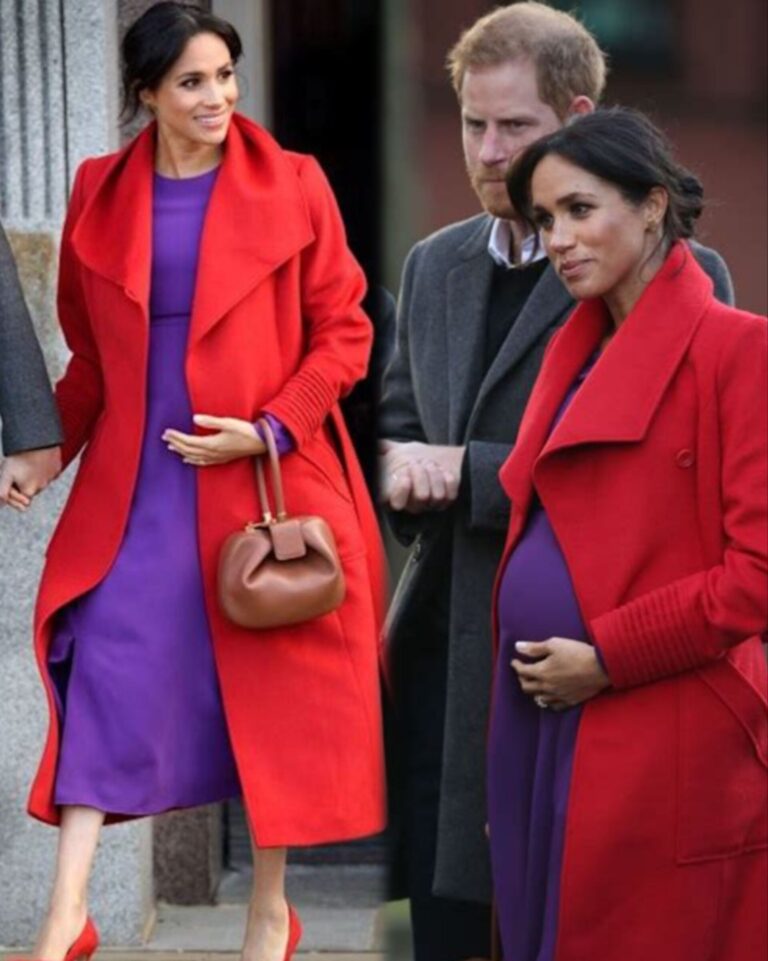
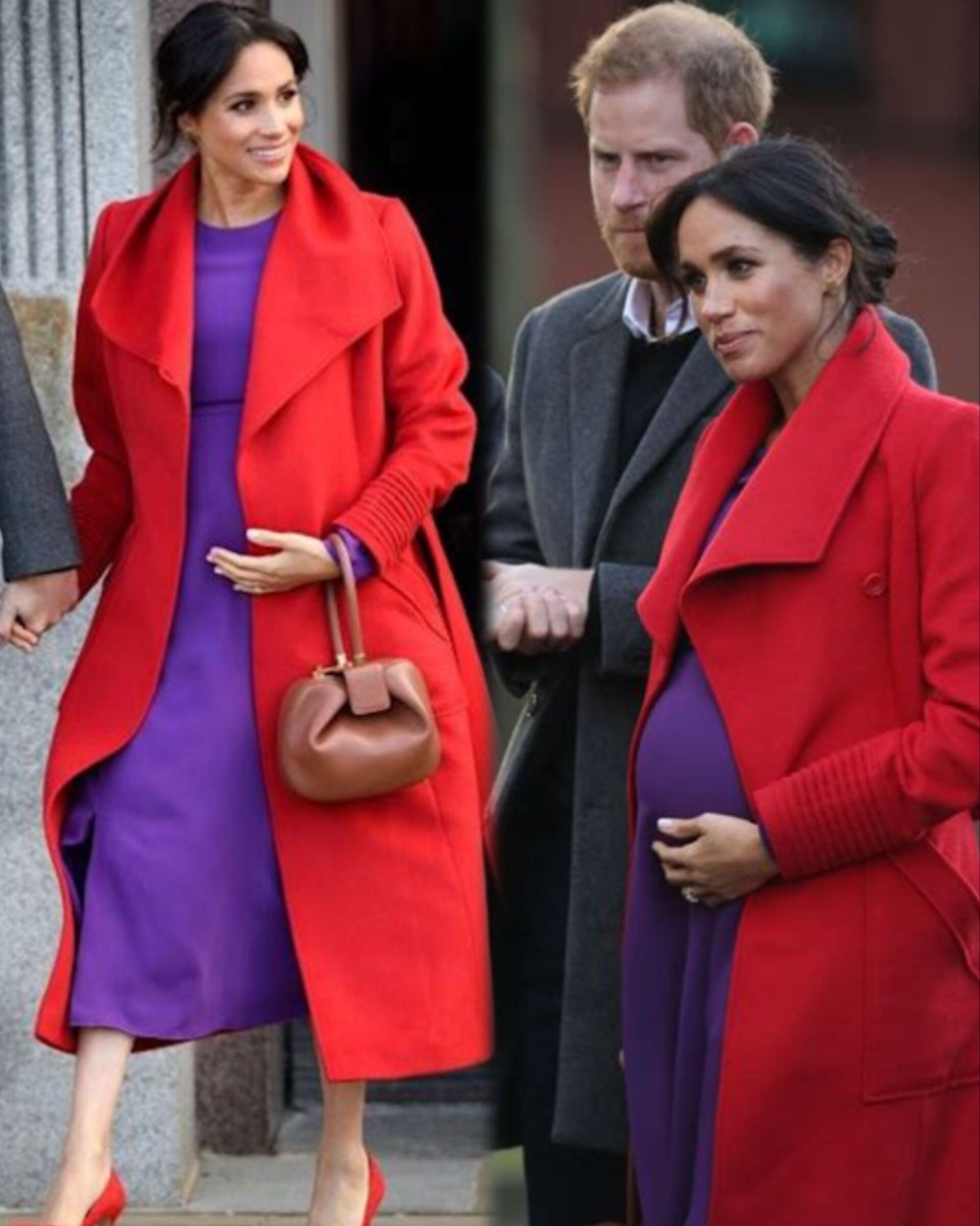
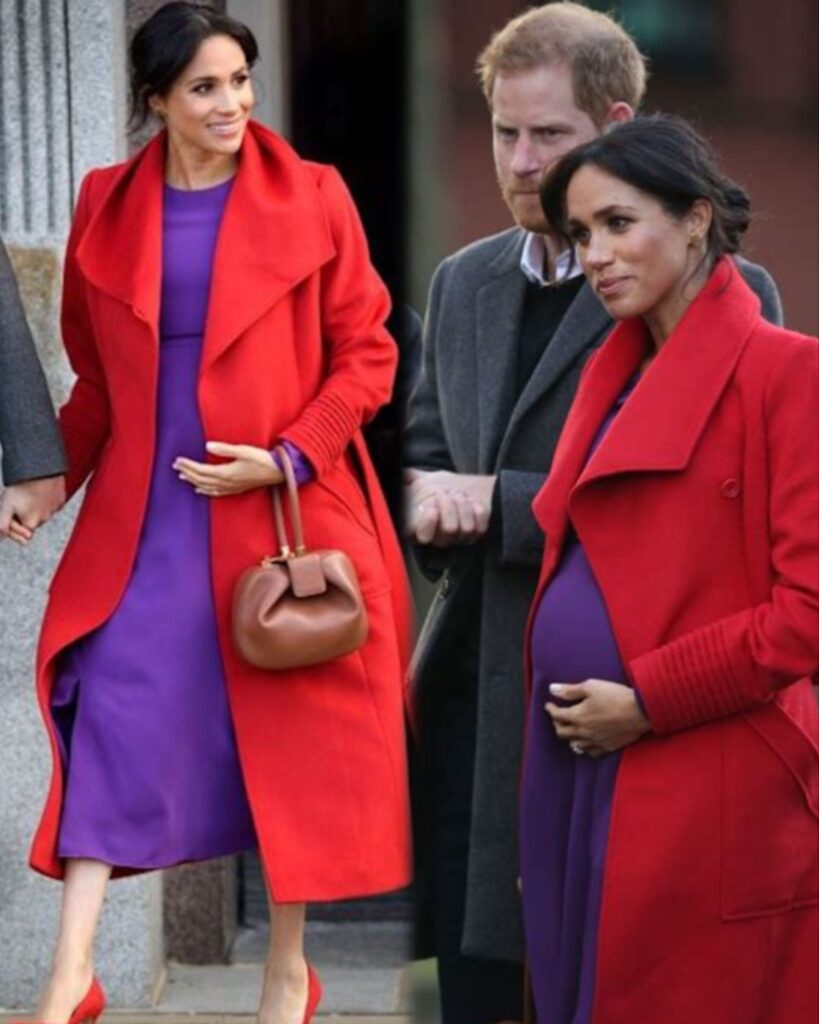
– Later clips, like one from a Birkenhead visit or hospital-adjacent footage, where body language experts (often self-proclaimed) claimed the prosthetic slipped.
– The 2025 viral twerking video Meghan posted for Lilibet’s fourth birthday (recounting labor induction attempts), where the bump looked “lumpy” or uneven—prompting fresh claims it was slipping during hip movements. Critics freeze-framed it as “proof,” but a viral response from an everyday mom clarified it was likely a heart monitor strap.
These weren’t new in 2025; the pattern started in 2019 with edited clips shared on YouTube and Twitter. By late 2019, posts explicitly called it a “fake belly” or “prosthetic,” with one X (then Twitter) user in November 2019 joking about her “coddling” it, and another in December 2019 sharing side-by-side photos claiming it was obvious.
The theory evolved quickly to include surrogacy (alleging Meghan couldn’t conceive) and even wilder claims that the children were “actors” or adopted. It tied into broader narratives: no hospital steps photo-op (a break from royal tradition, chosen for privacy), limited early ultrasounds shared, and Meghan’s age (37 at Archie’s birth).
### Who Pushed It and How It Spread
– **Grassroots Social Media**: Started on Twitter/X, Reddit (e.g., anti-Meghan subs), and YouTube “truthers.” Private groups on platforms like MeWe became hubs. A 2022 Vice investigation identified Sadie Quinlan, a Welsh woman, as an early editor of “proof” images in such groups. Meghan’s estranged half-sister Samantha Markle was reportedly linked to similar circles, per BuzzFeed reporting.
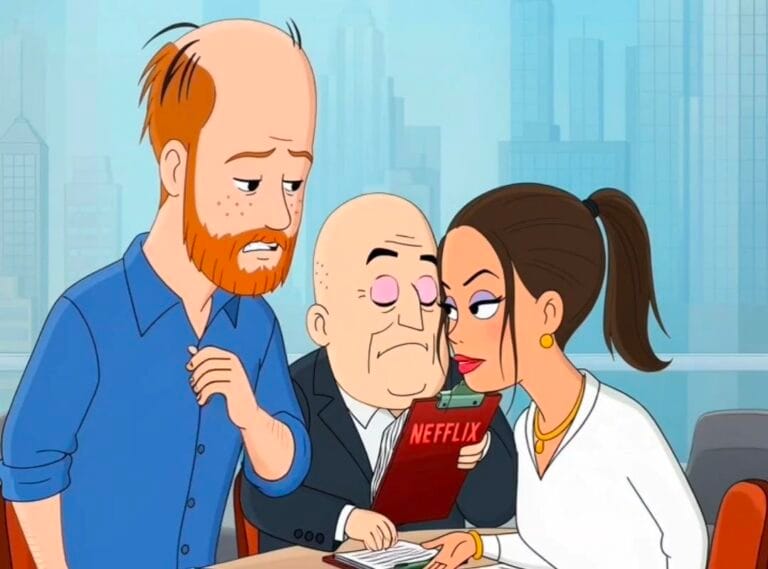
– **Amplification**: Royal-watchers, tabloid comment sections, and later QAnon-adjacent networks treated it like other celebrity “fake pregnancy” tropes (e.g., past rumors about other stars). By 2022, Netflix’s *Harry & Meghan* docuseries reignited it, with hundreds of videos analyzing old footage.
– **Psychology and Drivers**: Experts like Professor Stephan Lewandowsky (cited in analyses) point to confirmation bias, misogyny, and racial undertones. Meghan’s outsider status made her a target. “Moonbump” searches spiked 4,000% in some periods, per Grazia reporting. Debunking attempts (e.g., hospital confirmations, family photos) often backfired, as conspiracy researcher Karen Douglas notes: refutations can legitimize fringe ideas to believers.
X searches for terms like “fake bump” or “prosthetic belly” from 2018–2020 show scattered but growing mentions by November 2019, confirming it was bubbling under before exploding.
### Debunking and Reality Check
No evidence has ever supported the claims. Official palace statements confirmed both pregnancies. Medical professionals, close friends, and staff (including at Frogmore Cottage and U.S. hospitals for Lilibet) attested to them. Archie and Lilibet have been publicly photographed with family. Fact-checkers across Reuters, Snopes-adjacent reporting, and royal correspondents dismiss it as baseless. Variations in bump appearance are textbook pregnancy: babies shift, fabrics bunch, lighting plays tricks. The “fell off” moments? Camera angles, clothing, or monitors—not prosthetics.
Recent revivals (2025 twerking video) show how old clips get recycled for clicks. As one doctor explained in defenses, real pregnancies aren’t uniform TV bumps.
### Why It Endures
This theory fits a pattern of royal conspiracies (from Diana to Kate Middleton’s edits). It thrives in echo chambers where distrust of celebrities, media, and institutions runs high. Platforms algorithmically boost outrage. Yet it has real-world harm: contributing to documented harassment of the Sussexes.
In short, it began as late-2018/early-2019 social media nitpicking of a high-profile pregnancy, fueled by edited visuals and pre-existing bias, and ballooned into a self-sustaining myth. The “fake belly fell off” hook is pure clickbait from manipulated clips—no such day exists. It’s a textbook case of how conspiracy theories originate in ambiguity (pregnancy isn’t perfectly predictable) and spread through community reinforcement. Grounded reality? Two real kids, two confirmed pregnancies, and a mountain of unfounded speculation.