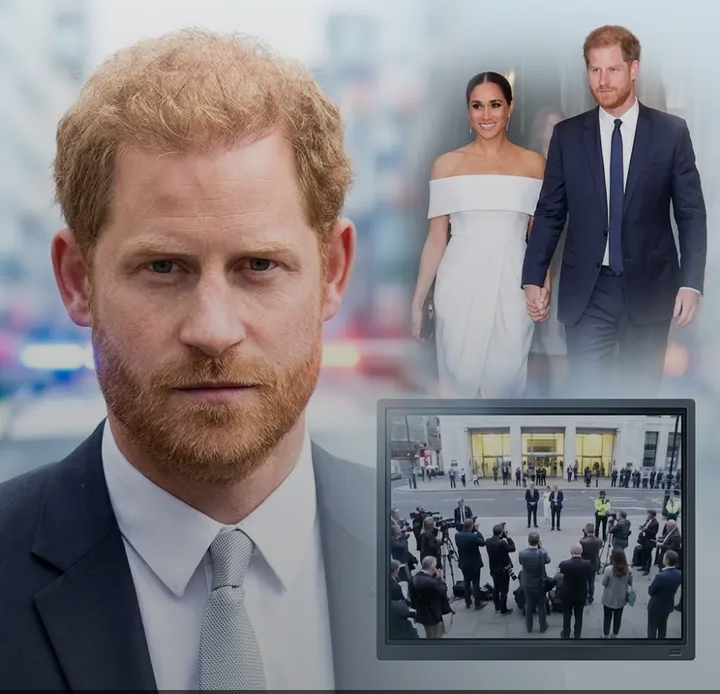
The debate surrounding security arrangements for Meghan Markle and her family has once again placed the UK Home Office under scrutiny. The issue stems from Harry’s insistence that he, Meghan, and their children should receive official police protection when visiting the United Kingdom, despite having stepped down from senior royal duties in 2020. Since that decision, the couple has been required to fund their own private security, a shift that has become a central point of contention.
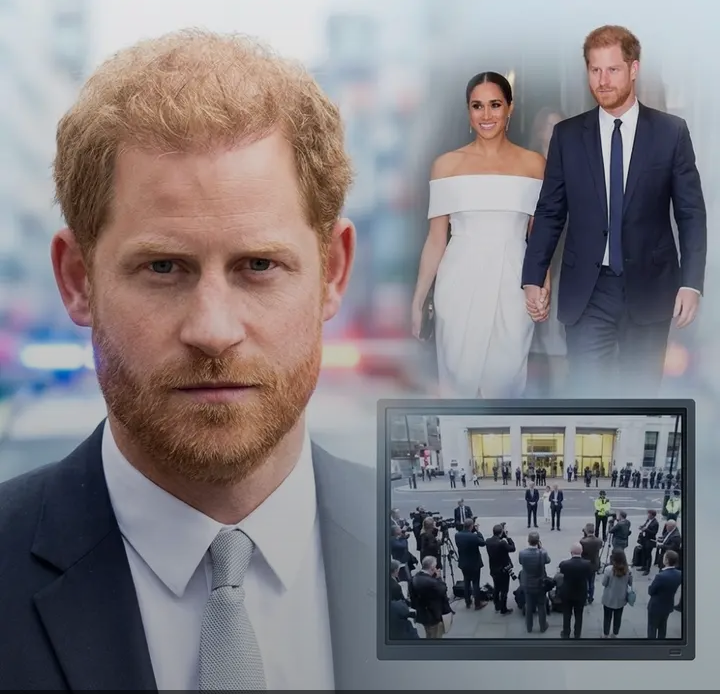
Prince Harry security ruling due today after High Court battle with Home Office | The Independent
Harry has consistently argued that without state-backed protection, it is unsafe for his family to travel to the UK. This position has been reinforced by his statements in both legal settings and public interviews, where he has highlighted perceived threats and risks associated with his public profile. His concerns are not limited to personal safety alone but extend to the wellbeing of his children, who have had limited opportunities to visit the UK and spend time with extended family, including King Charles.
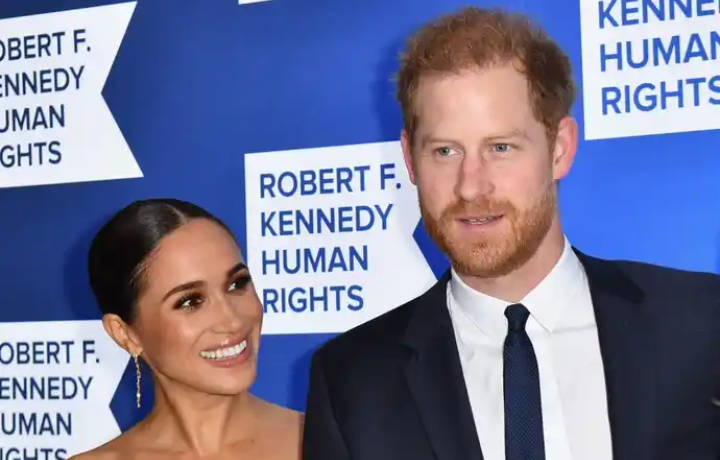
Prince Harry and Meghan (pictured) were stripped of automatic taxpayer-funded police protection on their visits to Britain after they chose to quit royal duties
The Home Office, along with relevant security committees such as Ravec, has been reviewing the request. However, according to reports, there is a division among officials. On one side, security experts and police authorities reportedly acknowledge that Harry’s profile and background may justify continued protection due to potential risks. On the other hand, political and administrative voices within government are said to be cautious about approving taxpayer-funded security, largely due to concerns over public perception and financial cost.
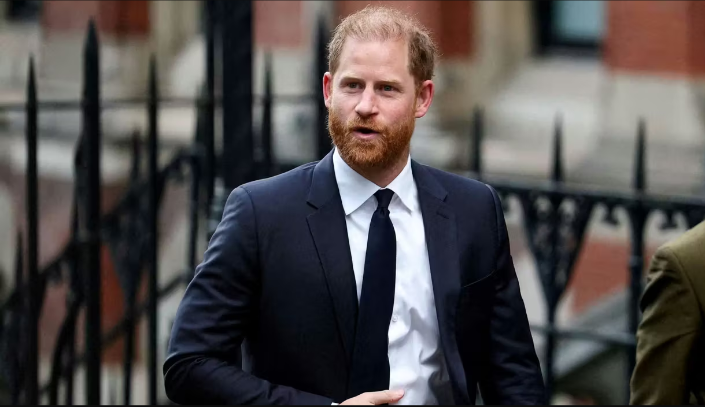
Prince Harry (left) could fail in his high profile bid for taxpayer-funded security because the Home Office apparently fears a public backlash if it is granted
The estimated expense of providing such protection could reach millions of pounds annually, depending on the level of threat and the nature of visits to the UK. This has fueled debate over whether public funds should be allocated to individuals who are no longer working members of the royal household. Critics argue that doing so could set a precedent, while supporters of Harry’s position maintain that security decisions should be based solely on risk assessment rather than status or public opinion.
A notable aspect of the situation is the broader legal context. Harry’s previous legal challenge regarding security arrangements did not succeed in court, but subsequent appeals and reviews have kept the issue active. The ongoing reassessment by relevant authorities suggests that the matter has not been fully resolved and continues to evolve as new arguments and considerations are presented.
Public reaction remains divided. Some individuals express frustration at the idea of using taxpayer money for private security, with one observer commenting, “It’s a matter of principle—public funds should be carefully prioritized.” Others take a more sympathetic view, emphasizing that security should not be compromised when credible risks exist, regardless of financial or political implications.
Meanwhile, Harry has pointed to specific incidents to support his claims of vulnerability, including encounters with individuals who have allegedly approached him in unsafe or unexpected ways during visits to London. These incidents are frequently cited as evidence that his concerns are not hypothetical but grounded in real-world experiences. Security professionals often note that risk assessments must consider both historical threats and current circumstances, which can change over time.
From a governmental perspective, the Home Office must balance multiple factors: legal obligations, public accountability, budgetary constraints, and expert recommendations. Officials have emphasized that the UK’s protective security system is designed to be rigorous and proportionate, suggesting that decisions are made based on structured evaluations rather than political pressure alone. However, the sensitivity of this particular case makes it especially challenging to reach a consensus.
As discussions continue, the possibility of a “worst-case scenario” has been raised by commentators, referring to a situation in which disagreements within the decision-making bodies lead to delays, legal complications, or heightened public controversy. While such outcomes remain speculative, they underscore the complexity of managing high-profile security cases involving former members of the royal family.
Ultimately, the issue reflects a broader tension between individual security needs and collective public responsibility. With no final resolution yet announced, the situation remains under close watch, as any decision could have lasting implications not only for Harry and his family but also for how similar cases are handled in the future.