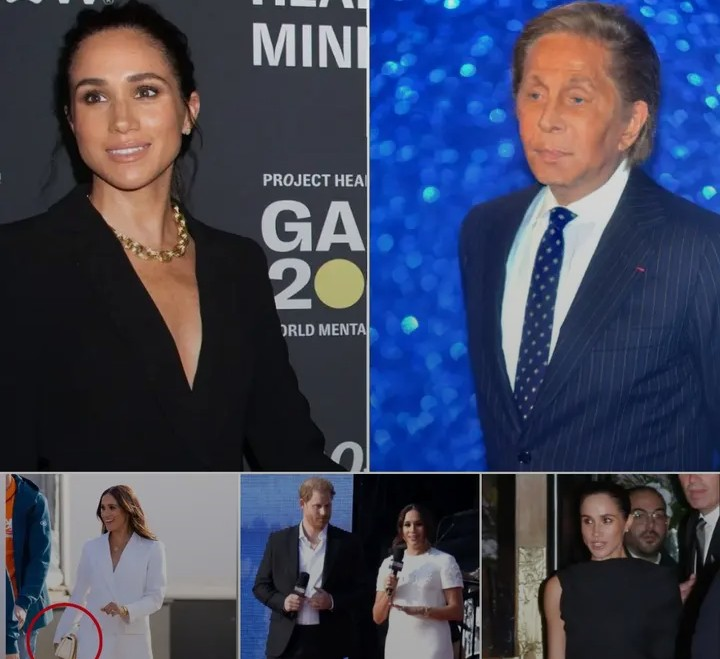
The fashion world is quietly closing ranks — and this time, Meghan Markle is on the outside looking in. According to multiple reports circulating within fashion and royal gossip circles, the Duchess of Sussex was not invited to the late Valentino Garavani’s A-list funeral in Rome, despite alleged behind-the-scenes efforts to secure a coveted seat among fashion royalty. What has shocked observers is not just her absence, but the belief that she was attempting to position herself as a central figure in a moment meant for mourning, not self-promotion.
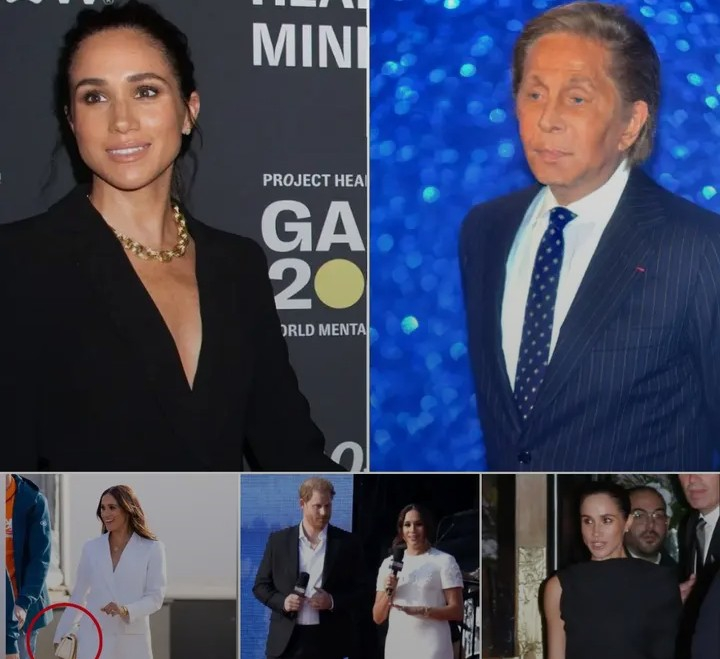
RadarOnline previously reported that Meghan was “very deliberate about making sure she’s included,” quietly reaching out to Valentino’s inner circle ahead of the funeral. Sources claimed she viewed the event not only as a chance to pay respects, but as an unparalleled networking opportunity — one where timing, visibility, and proximity to power mattered. In an industry where access is currency, the funeral of a legendary designer represented a rare convergence of couture, celebrity, and legacy.
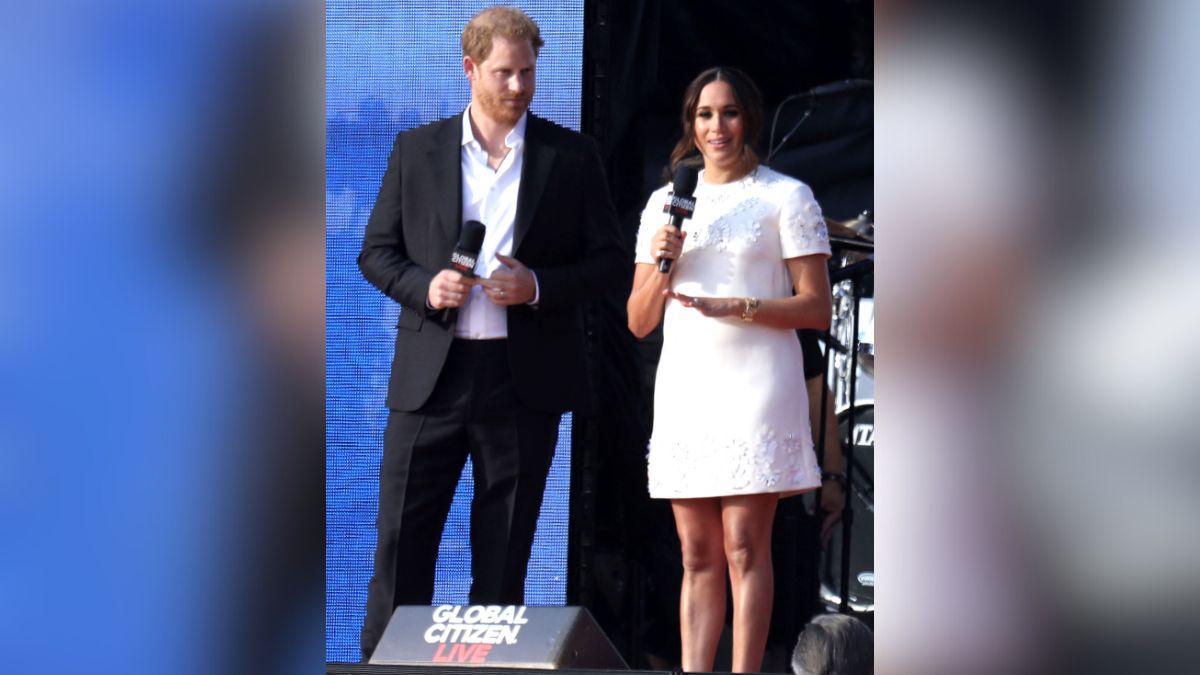
Yet the response from fashion’s upper echelon appears to have been a firm and unambiguous no. Those who did attend included figures who were genuinely woven into Valentino’s world — designers, longtime collaborators, muses, and global fashion icons. Meghan, despite having worn Valentino designs on several occasions, had no deep personal or professional relationship with the man himself. All her looks were ready-to-wear pieces, worn years after Valentino had stepped back from the brand, and none were bespoke.
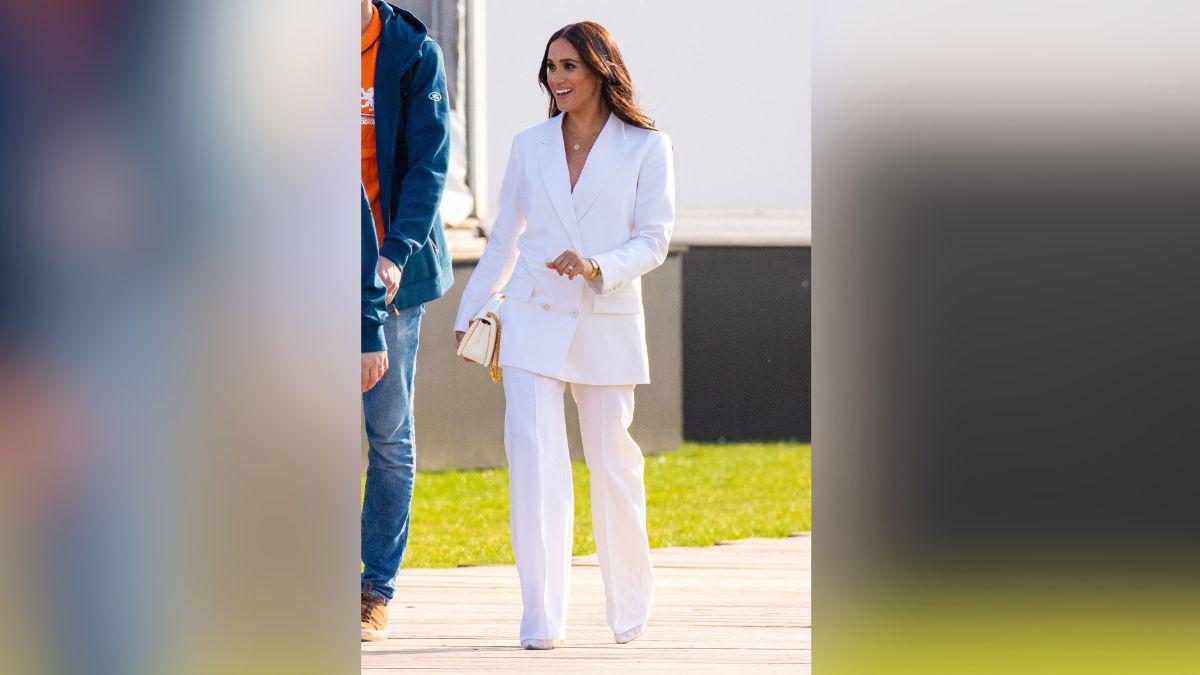
That distinction matters deeply in haute couture circles. One fashion insider put it bluntly: “Wearing a dress doesn’t make you family. Valentino’s world was built on loyalty, artistry, and long-standing respect — not opportunistic appearances.” Another observer noted that funerals are among the few spaces still governed by strict, unspoken rules. “This isn’t Paris Fashion Week. This isn’t branding. Grief isn’t a runway.”
Public reaction has been swift and unforgiving. Online commentary has framed the situation as another example of Meghan misreading elite spaces and pushing where restraint is expected. “This wasn’t rejection — it was correction,” one reader wrote. Another added, “The fashion world knows the difference between a muse and a moment-chaser.”
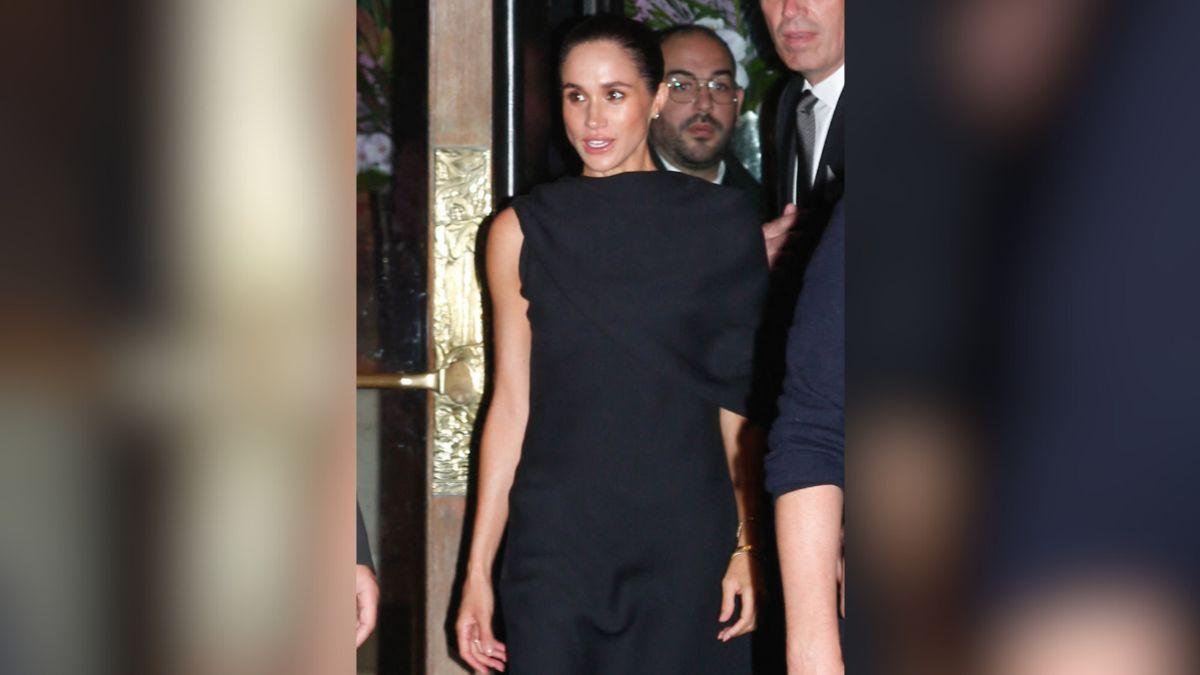
The backlash is compounded by comparisons Meghan herself likely hoped to avoid. Catherine, Princess of Wales, has long been admired by designers for her restraint and respect for fashion houses’ traditions. Valentino himself once reportedly praised Catherine as a “dream,” calling her elegant, modest, and timeless — the kind of woman couture exists for. To some critics, the contrast could not be sharper.
There is also a growing sense that the industry is wary of Meghan’s media gravity. Recent appearances, including Paris Fashion Week, generated headlines that overshadowed the events themselves. “Everything becomes about her,” one fashion commentator observed. “Designers don’t want chaos at solemn occasions.” The fear is not about controversy alone, but about control — something fashion houses guard fiercely.
Behind the scenes, some insiders believe the refusal to include Meghan was intentional and coordinated. “People don’t take risks with her anymore,” a source said. “Not because she’s irrelevant, but because she’s unpredictable.” In elite circles, unpredictability is a liability.
The situation has reignited debate about Meghan’s continued use of royal branding in non-royal contexts. Critics argue that presenting herself as a form of “fashion royalty” blurs boundaries and risks further damaging the monarchy’s image. “She needs to understand what’s happening,” one reader commented. “This isn’t rejection out of cruelty — it’s a signal to stop.”
As expected, speculation now turns to damage control. Observers predict familiar lines about private tributes or quiet condolences. Yet few are convinced. “If she was invited, we’d know,” one commenter noted dryly. “Silence is the answer.”
In the end, the story isn’t about a missed invitation — it’s about a closed door. The fashion world, like the monarchy, operates on hierarchy, memory, and restraint. And in Rome, at a moment meant to honor a legend, the message appeared unmistakable: some spaces cannot be entered by force, persistence, or title alone.