In one of the most satisfying moments of poetic justice in modern royal history, Prince Harry and Meghan Markle endured a humiliating “walk of shame” at Queen Elizabeth II’s Platinum Jubilee in June 2022 – a resounding public rebuke that will forever stand as the ultimate comeuppance for the dastardly duo who spent years trashing the monarchy they once claimed to serve. As they descended the steps of St. Paul’s Cathedral after the National Service of Thanksgiving, the couple was met with a chorus of boos from the assembled crowd, a stark and unmistakable signal that the British public had finally had enough of their endless grievances, betrayal, and self-serving drama.
This wasn’t just a fleeting jeer; it was a thunderous rejection captured on video and witnessed by millions worldwide. Reporters on the scene described a “mix of boos and cheers,” but the boos were loud, clear, and dominant enough to drown out any forced applause, echoing the growing disdain for the Sussexes’ actions since their acrimonious exit from royal duties in 2020. Harry, once the nation’s darling prince, looked grim and detached, while Meghan plastered on her trademark performative smile – but the damage was done. This was the moment the mask slipped, revealing the harsh reality: the public who once cheered their fairy-tale wedding now viewed them as ungrateful opportunists who bit the hand that elevated them to global fame.
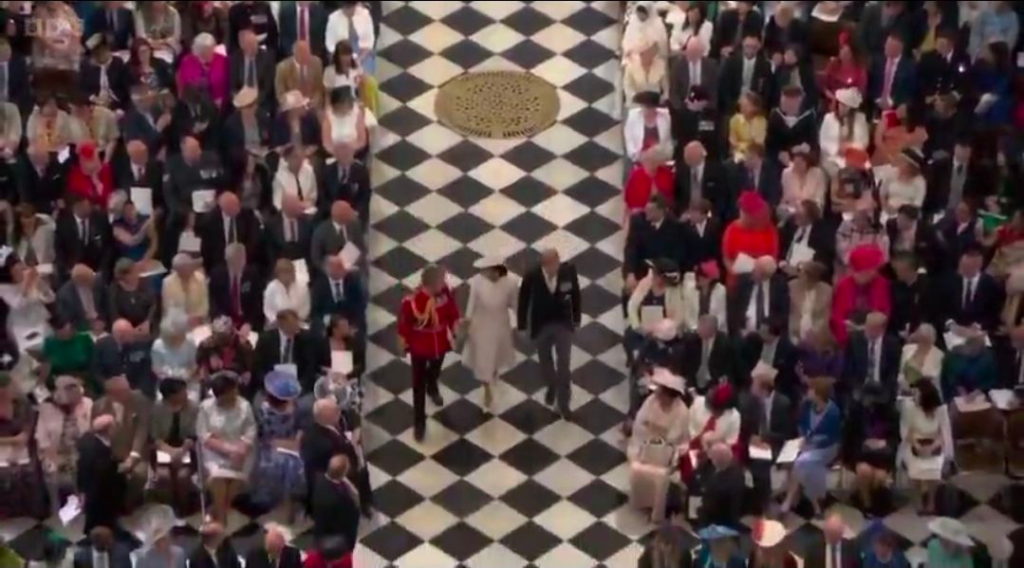
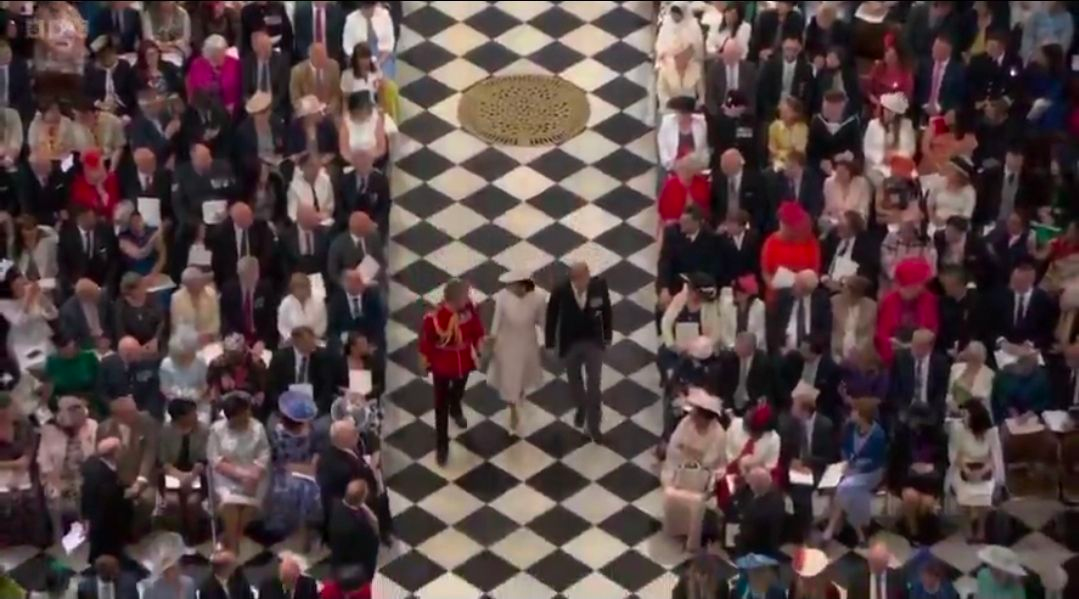
The humiliation began long before those fateful steps. The Sussexes, stripped of their senior royal status after choosing to “step back” and monetize their titles in America, were relegated to second-row seats in the cathedral – far from the front-row prominence enjoyed by working royals like Prince Charles (now King Charles III), Camilla, Prince William, and Kate Middleton. According to royal biographer Tom Bower, this seating arrangement was personally authorized by the late Queen herself, designed to prevent the couple from “diverting attention” from the historic celebration of her 70-year reign. It was a subtle but devastating demotion, underscoring their diminished role in the institution they had publicly attacked.
But the real clownery peaked with Meghan’s outfit choice: a bespoke Dior Haute Couture white belted coat dress, complete with matching wide-brimmed hat, gloves, and heels – an ensemble that bore an uncanny and deliberate resemblance to a 1951 look worn by Wallis Simpson, the infamous American divorcée whose marriage to King Edward VIII forced his abdication in 1936. Fashion experts and royal watchers were quick to point out the striking parallels: the structured white coat, cinched waist, and elegant yet provocative silhouette. Wallis, often vilified as the woman who nearly destroyed the monarchy, became an unwitting template for Meghan’s Jubilee appearance. Was this coincidence? Hardly. Critics slammed it as “next-level clownery,” a tone-deaf attempt to channel the controversial “rebel royal” while attending an event honoring the very institution Wallis had upended.
Meghan’s Wallis cosplay wasn’t new; she’s repeatedly echoed Simpson’s style in high-profile moments, from black dresses with floral motifs during her Oprah interview to other red and yellow ensembles that mimic the Duchess of Windsor’s iconic wardrobe. But donning it for the Queen’s Jubilee – a thanksgiving service no less – was peak provocation. It screamed entitlement and delusion, as if Meghan saw herself as a modern-day Wallis: the misunderstood American outsider who “won” a prince at the cost of royal harmony. Yet unlike Wallis, who at least had the grace to live quietly in exile, Meghan has spent years profiting from explosive interviews, a Netflix deal, and a memoir riddled with attacks on the family. The irony? Wallis was denied an HRH title; Meghan got one – and squandered it.
Inside the cathedral, the awkwardness was palpable. The couple arrived late, forcing others to shuffle aside, and reportedly even tried to demand better aisle seats, only to be firmly rebuffed by ushers on the Queen’s orders. They held hands ostentatiously while sashaying down the nave – a calculated photo op in a house of worship – before settling into their assigned spots among lesser royals like Princess Beatrice and Eugenie. No warm interactions with William or Kate; just stony silence and averted eyes, highlighting the irreparable rift caused by the Sussexes’ barrage of accusations, from racism claims to tales of royal cruelty.
Outside, as they emerged hand-in-hand for their grand exit, the boos rained down. Eyewitness accounts and footage confirm the negative reaction was unmistakable, with some reporters noting it was louder than for disgraced figures like Boris Johnson. Defenders claimed it was “mixed” or “edited in,” but the videos don’t lie: the jeers were real, raw, and deserved. This was the British public’s verdict on years of hypocrisy – preaching mental health while allegedly bullying staff, championing feminism while curtsying to no one, and demanding privacy while courting Hollywood cameras.
The comeuppance didn’t end there. The Sussexes skipped subsequent events, including a reception with the Lord Mayor, fleeing back to Frogmore Cottage and ultimately California before the Jubilee finale. They missed the pageant, the concert – everything that celebrated the Queen’s legacy without their drama overshadowing it. Polls at the time showed their popularity in freefall: Meghan’s approval rating plunged to historic lows, with many viewing her as divisive and attention-seeking.
This “walk of shame” wasn’t just personal embarrassment; it was karmic retribution for a couple who abandoned duty for dollars, smeared the monarchy in pursuit of victimhood, and turned family tensions into a lucrative brand. Harry, the once-beloved spare, reduced to trailing his wife’s ambitions; Meghan, forever chasing relevance through controversy. The boos at St. Paul’s were the sound of a nation saying: enough.
Years later, in 2026, the moment endures as a defining low point for the duo – a reminder that actions have consequences, even for princes and duchesses. The monarchy thrives without them: stronger, more unified, and beloved as ever under King Charles III. Meanwhile, the Sussexes’ Montecito exile grows ever more isolated. What a glorious, well-deserved fall from grace. The public spoke, and history will remember: this was their ultimate comeuppance.