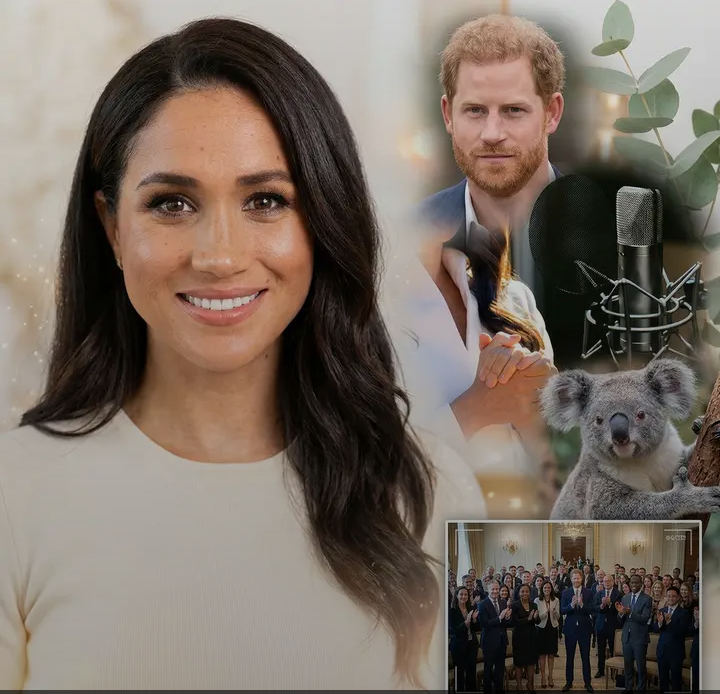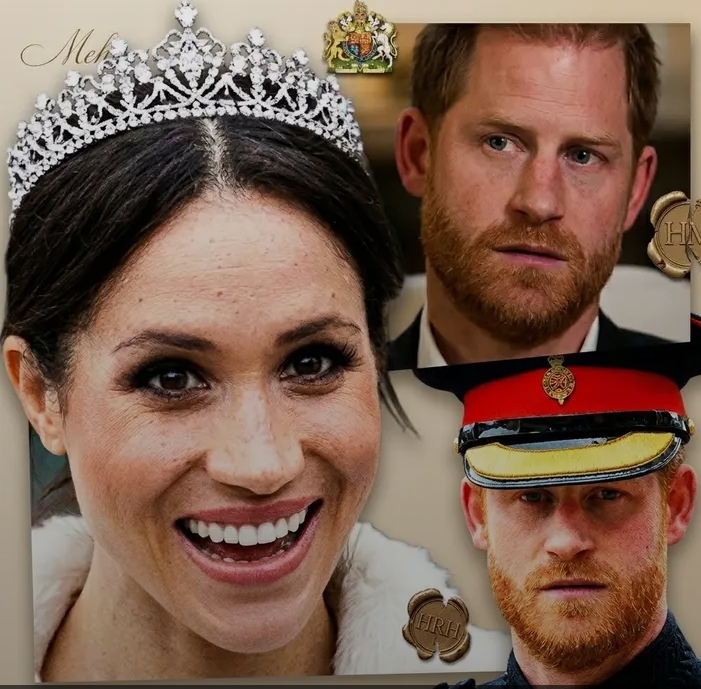
In a development that’s already sparking fierce debate across the continent, Prince Harry and Meghan Markle have officially confirmed their return to Australia in mid-April 2026 – their first visit in over seven years since the glittering 2018 royal tour. A spokesperson for the Duke and Duchess of Sussex announced the trip will involve “a number of private, business and philanthropic engagements” in Sydney and Melbourne, with further details to follow. But as excitement builds in some quarters, a growing chorus of Australian voices is sounding the alarm: Don’t expect the red-carpet treatment this time. Memories of Meghan’s alleged behind-the-scenes behavior during that last visit run deep, and many say the couple – often branded “con artists” in online forums – could face a very chilly reception indeed.
The 2018 tour was publicly a smash hit. Freshly married and with Meghan’s pregnancy announcement adding fairy-tale magic, the couple drew massive crowds, charmed locals with walkabouts, and even boosted Australian brands. Harry later reflected fondly on the trip in his memoir *Spare*, describing Meghan’s effortless connection with people. Yet, according to multiple royal insiders and media reports, the glossy facade hid serious tensions. Sources claim the 16-day itinerary across Australia, New Zealand, Fiji, and Tonga left Meghan frustrated, with one former palace aide alleging she viewed the endless handshakes and public duties as “pointless” and even questioned why she wasn’t compensated for them.
More damning are the persistent reports of staff mistreatment that allegedly peaked during the Australian leg. Witnesses described Meghan as “incandescent with rage” at a Fiji market, hissing at an aide before abruptly leaving, leaving the staffer in tears. In Sydney, at Admiralty House – the Governor-General’s official residence – she reportedly became furious over being allocated only a wing rather than the entire property. One explosive claim, recirculated in recent years, suggests Meghan hurled hot tea at a staff member in a fit of anger over the accommodations issue, leading to a quiet settlement. While unproven in court, these stories – echoed in books like Valentine Low’s *Courtiers* and various tabloid accounts – earned her the unflattering nickname “Duchess Difficult” among some royal circles.
These allegations tie directly into the broader 2018 bullying claims that rocked the monarchy. Former communications secretary Jason Knauf reportedly emailed concerns that Meghan had “bullied two PAs out of the household” around that time, with the Australia tour cited as a flashpoint for escalating staff clashes. Aides described being reduced to tears, humiliated in tirades, and facing demands that clashed with royal protocol. Meghan has strongly denied bullying, calling the claims a smear campaign, but the narrative has stuck – especially in Australia, where hospitality and mateship are cultural cornerstones.
Fast-forward to 2026, and the Sussexes’ announcement has reignited the fire. Social media is ablaze with Aussies declaring they “haven’t forgotten” and won’t roll out the welcome mat. One viral post captures the sentiment perfectly: “Harry and Meghan Markle are in for a rude awakening if they think Australia will forget how Meghan Markle behaved the last time they were there… You do not spit on people who welcomed you warmly and then turn around later pretending nothing happened. Whoever thought inviting these two con artists was a good idea should probably brace for the scrutiny that comes with it.” Comments on news stories echo the backlash, with users labeling the visit a “grift” and questioning why the couple – now private citizens with no official royal role – are returning amid their ongoing professional struggles.
Royal experts aren’t mincing words. Commentators warn that Harry and Meghan are “no longer assured a warm welcome” and will need “thick skins” for the trip. The visit could become a “lightning rod” for republicans, who point to polls showing growing support for ditching the monarchy. With over half of Australians favoring a republic in recent surveys, the Sussexes’ quasi-royal-style engagements risk fueling anti-monarchy sentiment at a sensitive time. Some have even floated petitions against any taxpayer involvement, arguing the couple represents no one officially.
Harry retains some goodwill thanks to his Invictus Games legacy and military ties, but Meghan’s favorability remains lower, dragged down by the lingering bullying narrative and perceptions of entitlement. Insiders note the 2018 tour was ironically a “catalyst” for Megxit – the couple felt their popularity was envied rather than celebrated by the palace. Now, returning as independents, they hope to leverage business and philanthropy ties, perhaps including podcast recordings or veteran outreach. But critics argue it’s tone-deaf, especially if it overlaps with other royal movements or revives old wounds.
Supporters counter that the public highs of 2018 – Meghan championing local causes and connecting authentically – deserve recognition, and younger Aussies may be more open. Yet, broader indifference to the royals persists, with many viewing the Sussexes as attention-seekers rather than contributors.
As mid-April approaches, one thing is crystal clear: Australia isn’t pretending 2018 never happened. The alleged “spit” on warm hospitality has left scars, and if the couple expects open arms, they may get a reality check instead. Whoever greenlit this comeback better brace for impact – the backlash could be louder than any crowd cheer. The Land Down Under remembers, and forgiveness isn’t guaranteed.