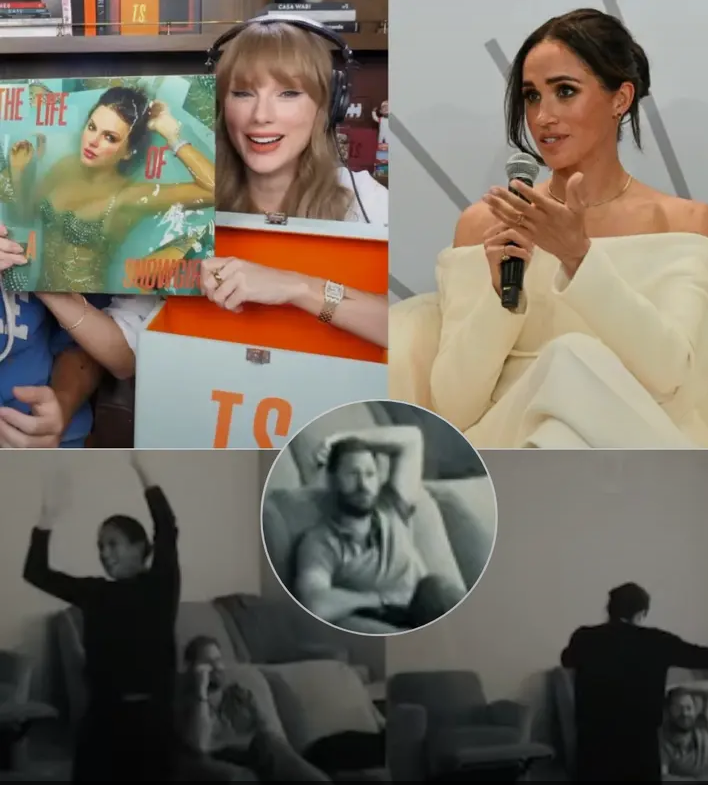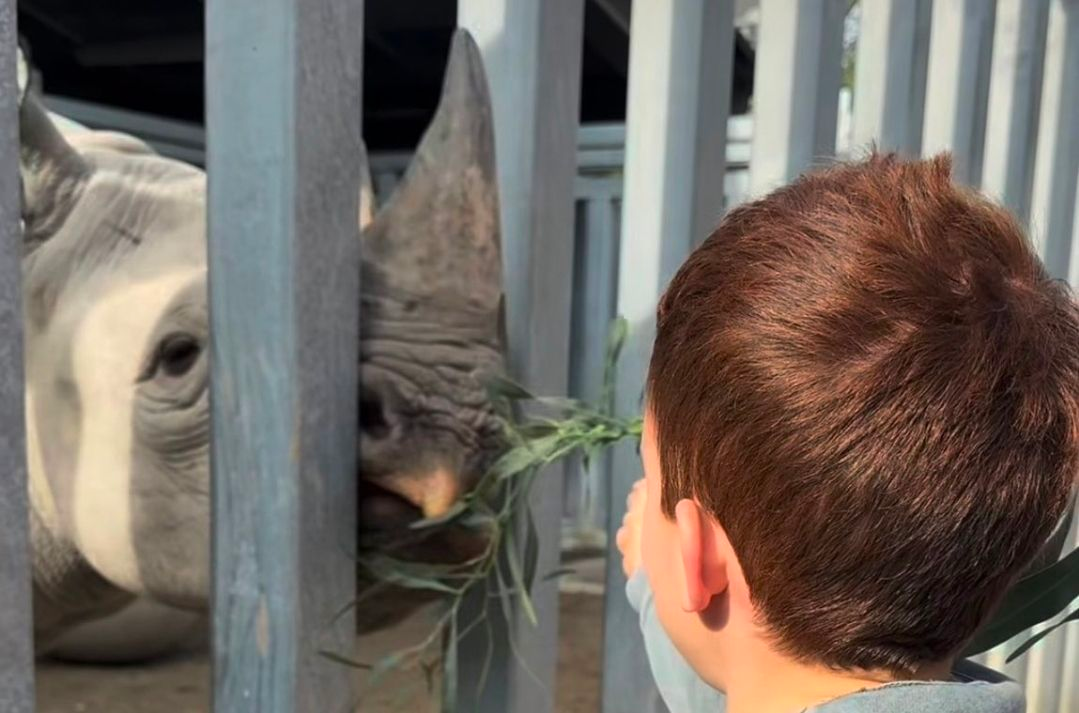
In the glittering yet hypocritical world of celebrity royalty, few contradictions sting quite as sharply as the one Prince Harry and Meghan Markle have cultivated around their children, Prince Archie of Sussex and Princess Lilibet of Sussex. The Duchess of Sussex has repeatedly positioned herself as a fierce guardian of her children’s privacy, insisting that Archie (now 6) and Lilibet (now 4, affectionately called “Betty”) deserve to grow up shielded from the relentless glare of public scrutiny. Faces blurred, backs turned, emojis strategically placed—every rare photo or video shared on her Instagram carefully obscures their features, all in the name of “protection” and allowing them a “normal” life away from the paparazzi and online threats.
Yet this carefully curated veil of privacy crumbles spectacularly when one examines the undeniable reality of their status: Archie sits sixth, and Lilibet seventh, in the official line of succession to the British throne. These positions are not hidden secrets whispered in Montecito mansions—they are publicly listed on the official royal family website (royal.uk), Wikipedia’s meticulously updated succession page, and countless reputable outlets tracking the monarchy. As direct bloodline descendants of King Charles III, through their father Prince Harry (fifth in line), Archie and Lilibet are inherently public figures by birthright. Their names, titles, and places in the order of succession are open for the world to see, etched into constitutional history and parliamentary statute.
This glaring double standard is nothing short of massive hypocrisy. Meghan champions privacy as a sacred right, yet she and Harry happily accept—and even emphasize—the very royal titles that thrust their children into the public domain. When King Charles ascended the throne in 2022, Archie and Lilibet automatically became Prince and Princess as grandchildren of the monarch, a fact the Sussexes publicly confirmed and celebrated. The royal family’s website was duly updated to reflect “Prince Archie of Sussex” at position 6 and “Princess Lilibet of Sussex” at position 7, right behind their cousins Prince George, Princess Charlotte, and Prince Louis. These are not optional perks; they are constitutional facts tied to the Act of Settlement, the Succession to the Crown Act 2013, and centuries of royal precedent.
How can one claim to shield children from public exposure while embracing a system that literally ranks them as future potential sovereigns? The line of succession isn’t a private family tree—it’s a matter of state, published openly because the British monarchy operates under parliamentary oversight. Anyone with an internet connection can view the order: William first, then his three children, Harry fifth, Archie sixth, Lilibet seventh, followed by the rest of the extended family. By clinging to these titles and positions, the Sussexes ensure their children remain fixtures in global headlines, constitutional documents, and endless speculation about “what if” scenarios involving the throne.
The hypocrisy deepens when considering the Sussexes’ broader narrative. Prince Harry’s memoir Spare railed against media intrusion and the loss of privacy, painting the royal institution as toxic and invasive. Meghan has spoken eloquently about protecting her family from the dangers of social media and paparazzi threats, citing security concerns as the reason for never fully showing the children’s faces in public posts. Yet in practice, this “protection” is selective at best. The couple has shared glimpses of Archie and Lilibet in Netflix specials, holiday cards, and Instagram reels—always from behind or partially obscured—but the very act of using their existence to humanize their brand (think family moments timed with product launches or charitable announcements) undercuts the privacy crusade.
Critics have long pointed out this pattern: privacy is invoked when convenient, but royal status is leveraged when it adds prestige or value. The children are kept faceless in everyday content, yet their princely titles are proudly referenced when it suits the narrative. It’s a calculated game—shield them from scrutiny while benefiting from the cachet of being in the line of succession. And let’s not forget the perks: the first six in line require the sovereign’s consent to marry, a rule that still applies to Archie under the Perth Agreement amendments.
This isn’t mere inconsistency; it’s a fundamental contradiction that erodes any moral high ground the Sussexes claim. Other royal grandchildren, like those of Prince William, appear publicly because their roles demand visibility as future leaders. The Wales children are photographed at events, school runs, and official outings—faces fully visible—because their positions require public familiarity. Archie and Lilibet, by contrast, are hidden away in California, yet still listed prominently as potential heirs. If privacy is truly paramount, why not renounce the titles and positions altogether, as some have suggested? The answer appears clear: the royal connection provides an irreplaceable aura of importance, even as Meghan decries the very system that grants it.
In the end, the real tragedy here is for Archie and Lilibet themselves. Born into a legacy they didn’t choose, they are simultaneously shielded and spotlighted by their parents’ choices. Faces hidden to “protect” them, yet their names forever tied to a throne they may one day approach. Meghan Markle and Prince Harry can’t have it both ways—demanding anonymity while embracing the public birthright that defines their children’s place in history. Until they reconcile this glaring hypocrisy, the world will continue to see through the facade: a family that wants the privileges of royalty without any of the exposure. Spare us the lectures on privacy, Your Royal Highnesses—the succession list tells the true story.