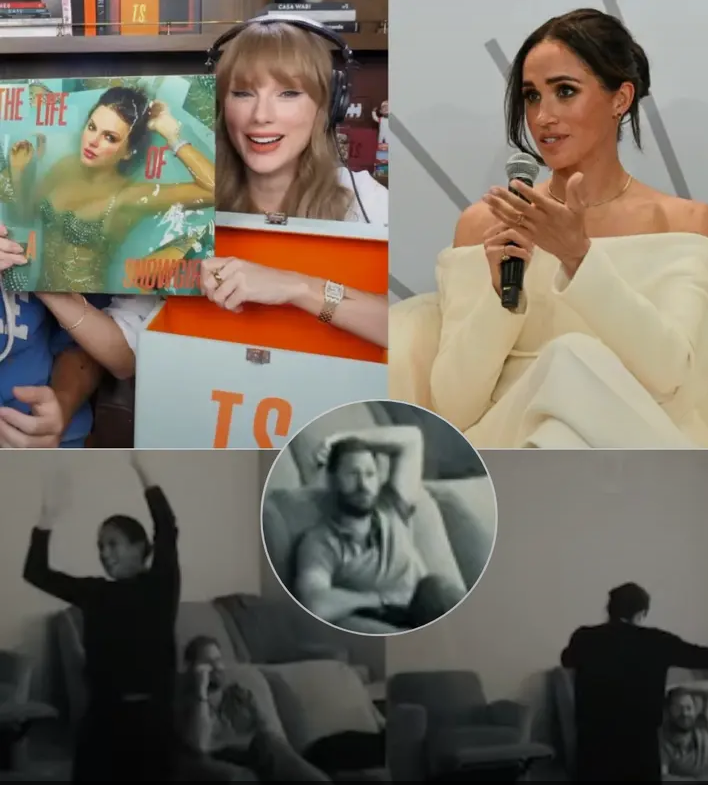
In the ever-spinning carousel of royal drama and celebrity spin, Meghan Markle has once again thrust herself into the spotlight—not with groundbreaking philanthropy or a triumphant return to acting, but with what appears to be a frantic attempt at damage control. Just days after the internet erupted in mockery over a bizarre video clip purporting to show her and Prince Harry recreating their wedding dance, filmed allegedly by their four-year-old daughter, Princess Lilibet, the Duchess of Sussex has doubled down. She’s uploaded yet another snippet, this time featuring a child’s voice in the background, as if to scream, “See? It was real all along!” But let’s peel back the layers of this meticulously curated facade. What we’re witnessing isn’t authenticity; it’s a calculated, condescending ploy to quash the growing chorus of doubt and derision. And frankly, it’s as transparent as it is insulting to the public’s intelligence.
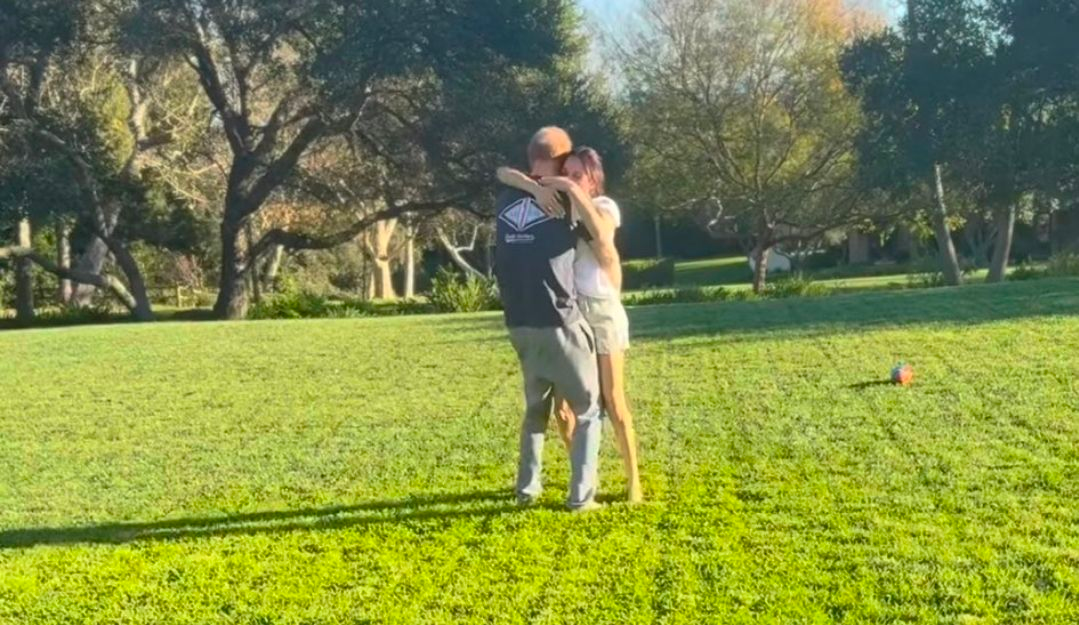
The saga began innocently enough—or so it seemed. In a video shared on social media, Meghan and Harry are seen swaying awkwardly in what was billed as a heartfelt nod to their 2018 nuptials. The camera work? Shaky, amateurish, and suspiciously childlike. The caption? Something along the lines of cherishing family moments, with the implication that little Lilibet was behind the lens. Cue the eye-rolls from royal watchers and casual observers alike. Online forums, from Reddit’s r/RoyalsGossip to Twitter’s endless threads, lit up with disbelief. “A four-year-old filming a polished dance routine? Please,” one user scoffed. “This screams staged PR stunt.” Another chimed in: “Harry looks like he’s being held at gunpoint. And Meghan’s smile? Plastic as ever.” The chatter wasn’t just snarky; it was analytical, pointing out inconsistencies like the steady framing despite the “toddler” claim, the perfect lighting in what was supposed to be a spontaneous family moment, and the overall vibe of a scripted reality TV outtake rather than genuine home video.
Why the ridicule? Because in the post-royal era, the Sussexes have built their brand on a foundation of “authenticity” that’s as shaky as that alleged toddler-held camera. Remember the Oprah interview bombshells? The Netflix docuseries filled with tearful revelations? Each piece of content feels engineered to elicit sympathy, admiration, or at the very least, clicks. But this wedding dance video crossed into absurdity. A four-year-old capturing a moment of marital bliss? It’s not just improbable; it’s laughable. Toddlers can barely hold a sippy cup steady, let alone frame a shot that conveniently captures every twirl and dip. Critics argued—and rightly so—that this was yet another example of Meghan weaponizing her children for narrative control. Archie’s voice in podcasts, Lilibet’s name-dropping in interviews—it’s a pattern of using family as props in a never-ending bid for relevance.
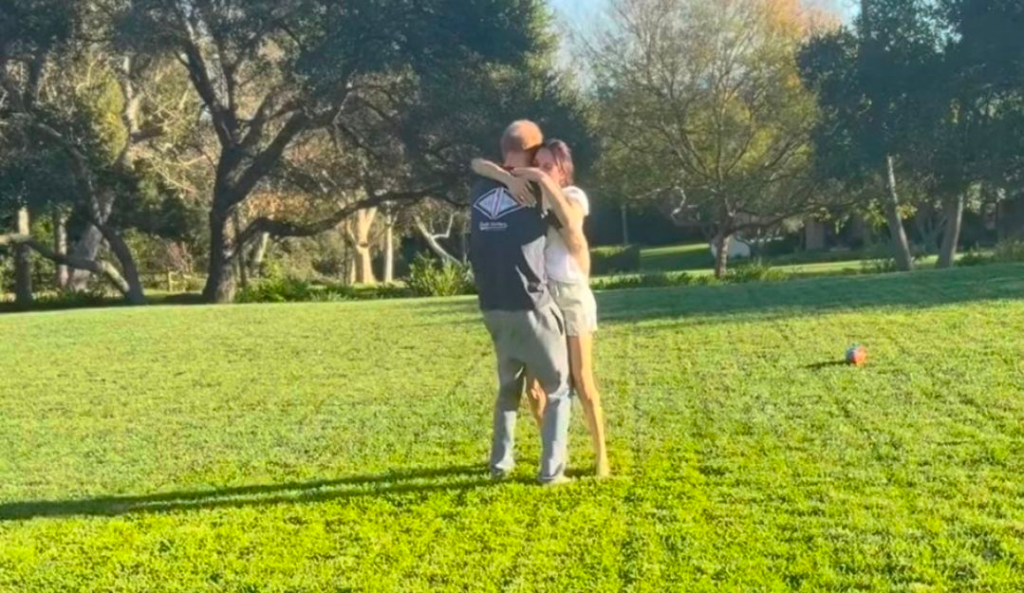
Enter the follow-up clip: a short video uploaded to what seems like a carefully managed Instagram story or TikTok reel, where the same dance footage is interspersed with a giggling child’s voice saying something innocuous like “Mommy, dance faster!” The timing couldn’t be more suspect. Released mere hours after the online backlash peaked, it reeks of desperation. Was this pre-recorded and held in reserve for just such an emergency? Or hastily edited in a Montecito mansion panic room? Either way, it’s a masterclass in how not to handle criticism. Instead of ignoring the trolls or addressing the skepticism with grace, Meghan opts for overkill—proving the doubters right by showing just how much the chatter gets under her skin.
Let’s delve deeper into why this move is so condemnable. First, it perpetuates the myth of the “perfect” family at a time when the Sussexes’ public image is fracturing. Harry’s memoir *Spare* painted a picture of royal dysfunction, yet here they are, forcing a fairy-tale narrative down our throats. The dance itself? A awkward remix of their reception waltz to “Land of a Thousand Dances,” but executed with all the passion of a mandatory corporate team-building exercise. Meghan’s form-fitting dress and Harry’s stiff posture scream “rehearsed,” not “romantic.” And slapping a child’s voice over it doesn’t authenticate it; it infantilizes the audience, assuming we’ll swallow any crumb of “proof” without question.
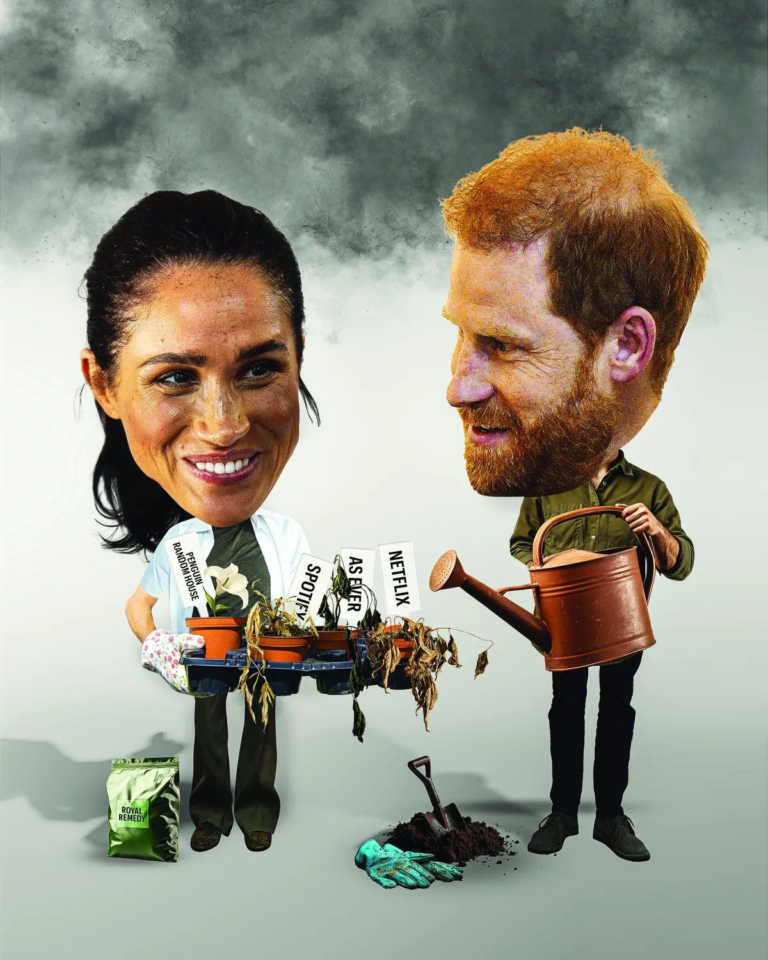
Moreover, this stunt highlights a broader issue with celebrity culture in the digital age: the erosion of trust through relentless self-promotion. Meghan, once hailed as a breath of fresh air in the stuffy Windsor clan, has morphed into a symbol of entitlement. Her A-list friendships, her luxury lifestyle funded by deals with Spotify and Netflix (both of which fizzled amid controversy), and now this? It’s exhausting. The public isn’t buying it anymore. Polls from outlets like YouGov show her approval ratings plummeting, with many citing her as “inauthentic” and “opportunistic.” This video fiasco only amplifies that perception. By responding so defensively, she’s not silencing the critics; she’s amplifying them, turning a minor meme into a major scandal.
Consider the implications for her children, too. At four years old, Lilibet is being thrust into the narrative machine. Is this fair? Ethical? Child psychologists have long warned about the dangers of overexposing kids to public scrutiny, yet here we are, with her voice (allegedly) used as a shield against online shade. It’s reminiscent of other celebrity parents who’ve faced backlash for similar tactics—think the Kardashians turning family moments into content goldmines. But Meghan positions herself as above that fray, as a advocate for mental health and privacy. Hypocrisy much? The same woman who sued tabloids for invading her space is now inviting speculation by dangling these “candid” clips.
And let’s not forget Prince Harry in all this. Once the charming rogue of the royal family, he’s now reduced to a supporting role in Meghan’s solo act. In the video, his movements are hesitant, his smile forced—as if he’s aware of the absurdity but powerless to stop it. Sources close to the couple (or so the tabloids claim) whisper of tensions, with Harry yearning for a quieter life while Meghan chases the limelight. This dance video, and its sequel, feels like her project, her rebuttal, her way of asserting control. It’s condemning not just for its fakeness, but for what it reveals about power dynamics in their marriage.
In the end, this episode is a microcosm of the Sussexes’ post-Megxit struggles: a desperate grasp at relevance in a world that’s moved on. The royal family, under King Charles III, is focusing on duty and discretion—qualities Meghan and Harry seem to have abandoned in favor of Hollywood hustle. Uploading another video doesn’t vindicate them; it condemns them further, exposing the cracks in their carefully constructed empire. The internet’s chatter won’t stop—it’s only getting louder. And as for that child’s voice? It might fool the casual scroller, but for those paying attention, it’s just another echo in an empty hall of authenticity. Meghan, take note: sometimes, silence is the best response. But then again, that wouldn’t generate the clicks, would it?