In a bombshell revelation that has left royal watchers and mental health advocates reeling, Prince Harry—the man who has built an entire post-royal brand around **mental health advocacy**, trauma healing, and ending the stigma around addiction—is once again facing uncomfortable questions about his own history with **cocaine** and substance use. The irony is as thick as the lines he once admitted to snorting: the Duke of Sussex, who proudly positions himself as a beacon of vulnerability and recovery, has openly detailed his cocaine use in ways that now cast a long shadow over his high-profile lectures to recovering addicts.
Just weeks ago, in February 2026, Harry visited Jordan’s National Centre for Rehabilitation of Addicts, where he sat down with men battling substance abuse and delivered what many called an inspiring message: “There’s no shame in having an addiction—it stems from something else, which is emotional pain. You’re very, very brave.” He urged them to return to their communities as role models, speaking with the authority of someone who has “been there” and come out the other side. Supporters cheered his empathy. Critics, however, couldn’t help but roll their eyes at the glaring hypocrisy.
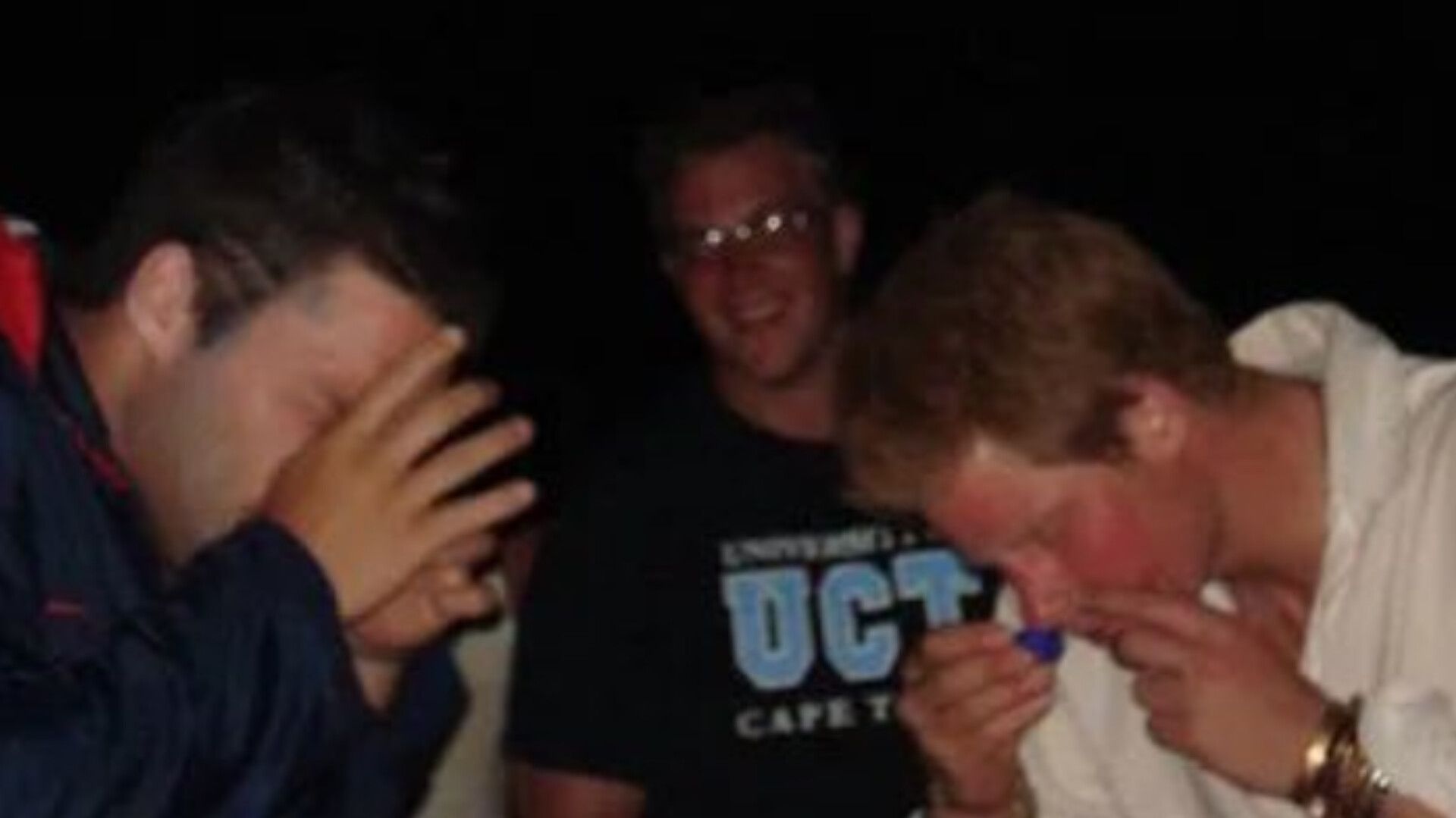
Because this is the same Prince Harry who, in his explosive 2023 memoir *Spare*, casually admitted to using **cocaine** as a teenager—and not just once. He described being offered “a line” during a hunting weekend at someone’s country house when he was just 17 years old. “Of course I had been taking cocaine at that time,” he wrote. “It wasn’t very fun, and it didn’t make me particularly happy as it seemed to make everyone around me, but it did make me feel different, and that was my main objective.” He even confessed to doing “a few more” lines afterward, all while grappling with the deep unhappiness following the loss of his mother, Princess Diana.
Harry didn’t stop at cocaine. He also detailed smoking marijuana at Eton, experimenting with psychedelic mushrooms (including a hallucinatory episode at Courteney Cox’s house where he claimed to converse with a trash can), and using alcohol and drugs in his twenties to numb panic attacks, anxiety, and the pressures of royal life. In interviews promoting *Spare* and in a candid conversation with trauma expert Gabor Maté, he described cocaine as a “social thing” that gave him a sense of belonging, while admitting marijuana “actually really did help me.” He went so far as to call psychedelics a “fundamental part” of his life for unlocking suppressed emotions.
Fast-forward to his current role as a globe-trotting mental health advocate—co-creator of the Apple TV+ series *The Me You Can’t See* with Oprah Winfrey, founder of the Invictus Games for wounded veterans, and frequent speaker on trauma and addiction—and the disconnect becomes jaw-dropping. Harry has repeatedly shared how he drank “probably a week’s worth in one day” on weekends, took drugs to “feel less like I was feeling,” and turned to substances to cope with PTSD-like symptoms from his military service and royal duties. Yet here he is, lecturing recovering addicts on bravery and shame-free recovery, all while his own admissions of snorting cocaine remain front and center in the public record.
The hypocrisy hasn’t gone unnoticed. Social media erupted after the Jordan visit, with users pointing out the obvious: “How can an admitted cocaine user give advice to addicts without addressing his own past more directly?” One viral comment read, “Prince Harry out here telling people there’s no shame in addiction while bragging in his book about snorting lines to ‘feel different.’ Make it make sense.” Critics have long argued that his public confessions—framed as courageous honesty—actually glamorize or normalize drug use among vulnerable young people struggling with mental health. As one expert noted in response to his earlier comments, Harry’s stories risk sending “a very concerning message” that recreational drugs like cocaine can be a harmless way to self-medicate trauma.
Even his move to the United States sparked major controversy. When Harry and Meghan Markle relocated to California in 2020, his past drug admissions in *Spare* (published after the move) led to lawsuits and demands for his visa records. Conservative groups like the Heritage Foundation pushed for transparency, questioning whether he had disclosed his cocaine, marijuana, and mushroom use on immigration paperwork. Court battles dragged on into 2025, with heavily redacted documents finally released that avoided directly addressing the drug issue. Harry’s legal team fought to keep details private, even as he had already spilled everything in his bestselling book. The double standard was lost on no one: tell-all for profit and publicity, but privacy when it comes to legal consequences.
Royal insiders and commentators have been brutal. One associate of Prince William reportedly demanded Harry apologize for his cocaine use ahead of international trips, calling it damaging to his credibility. Others point to the broader pattern—Harry preaches mental wellness while his own life in Montecito appears marked by ongoing family feuds, professional setbacks, and the very emotional pain he once numbed with substances. His 2021 Oprah interview, where he openly discussed excessive drinking and drug use to cope with grief, was hailed as groundbreaking. But years later, as he positions himself as an expert visiting rehabilitation centers, the same revelations now read less like healing and more like convenient storytelling.
Defenders argue Harry’s openness is exactly what makes him effective—he’s showing that even princes struggle and that seeking help is strength, not weakness. They say his past cocaine use was experimental teenage behavior born from profound loss, not ongoing addiction, and that he has since channeled that pain into advocacy work. Harry himself has described therapy, psychedelics (in a therapeutic context), and self-reflection as transformative. In the Jordan visit, he emphasized that addiction often masks deeper emotional wounds, echoing his own journey.
Yet the optics remain devastating. A self-proclaimed mental health warrior who snorted cocaine to “feel different” now dispensing wisdom to those fighting real recovery battles raises serious questions about authenticity. Is Harry truly reformed, or is this another chapter in the Sussex playbook—profiting from vulnerability while deflecting scrutiny? His memoir sold millions by exposing raw details, including drug use, but has he done the deeper work required of someone advising addicts?
As Prince Harry continues his globe-trotting advocacy—next stops likely including more mental health forums and veteran events—the public is left wondering: Can a man who once admitted to snorting cocaine truly be the credible face of addiction recovery? Or is the Duke of Sussex simply the ultimate example of “do as I say, not as I did”?
The royal family drama never ends, but this latest layer of hypocrisy has royal watchers predicting more uncomfortable conversations ahead. For a man who claims to be breaking stigmas, the biggest stigma he may need to confront is his own. Game, set, and match to the critics? Only time—and perhaps another tell-all—will tell.