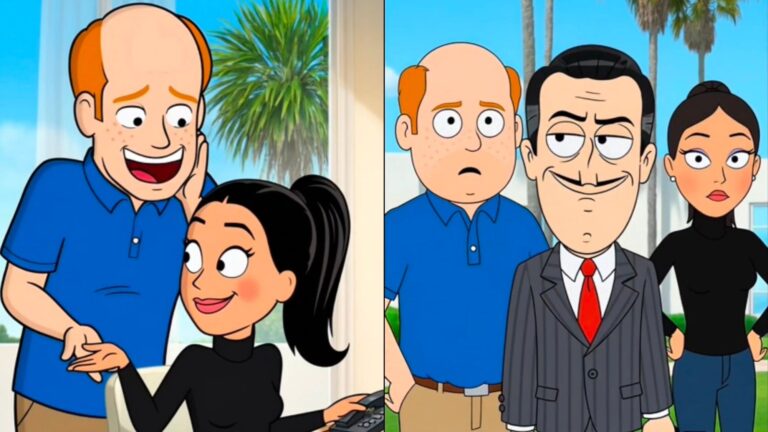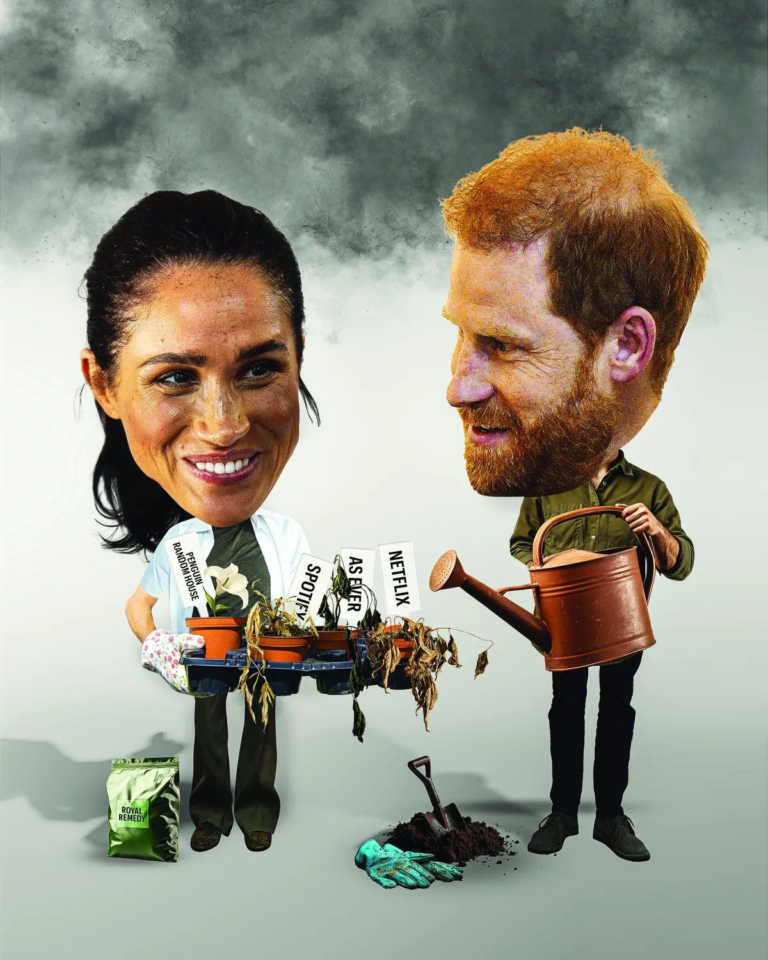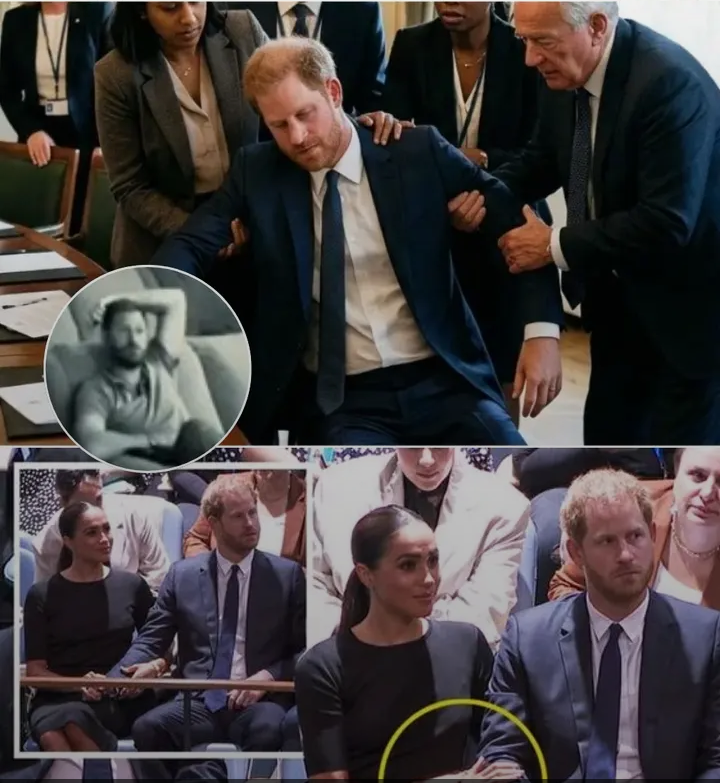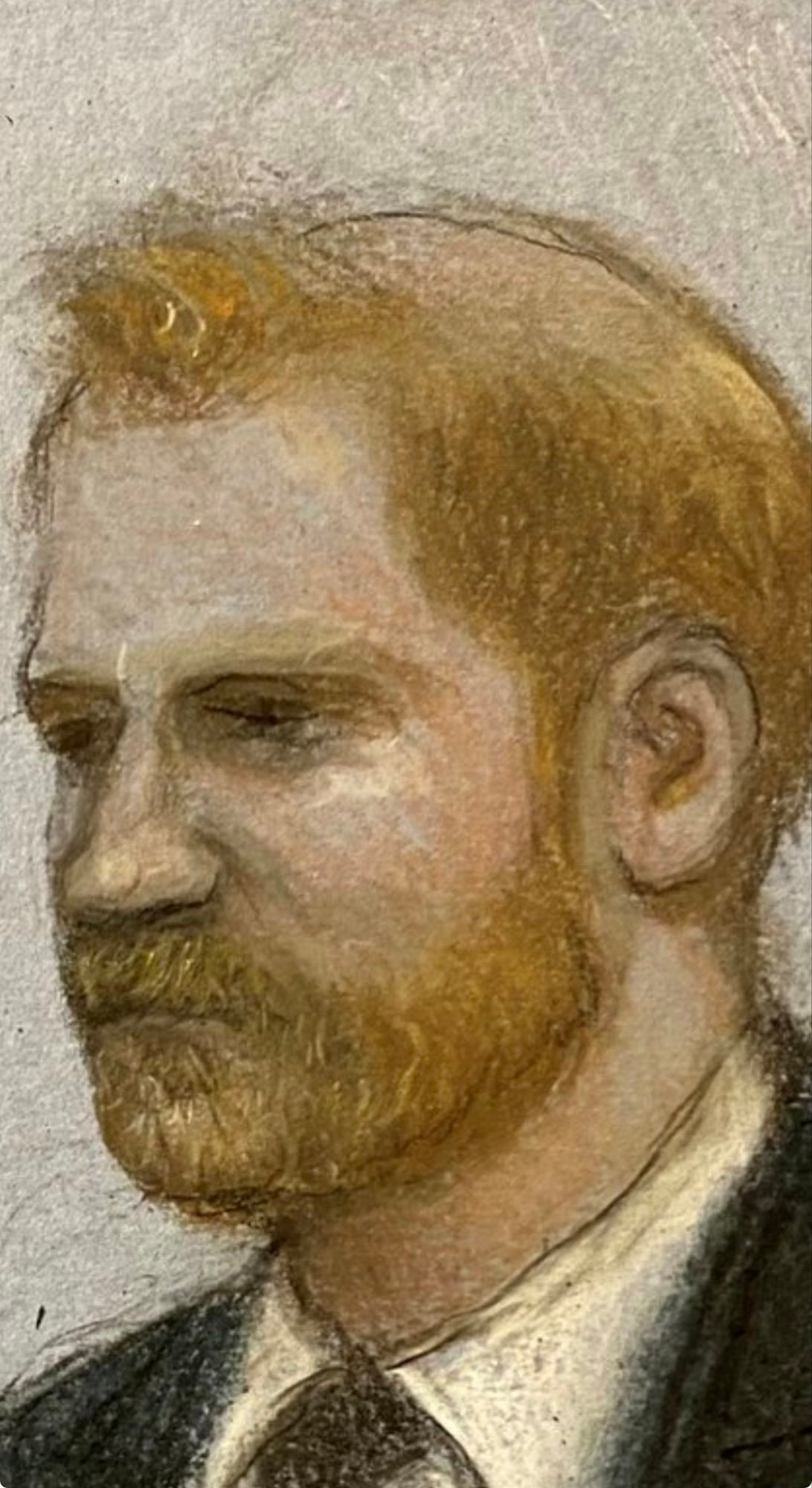
For the past six long years, Prince Harry has turned victimhood into a full-time career. From the bombshell Oprah interview in 2021 to the glossy Netflix docuseries, the explosive memoir *Spare*, and now his tearful courtroom appearances in 2026 against British tabloids, one relentless narrative dominates: “Poor me. My family is using the press to attack me and plant negative stories about me and my wife.” It’s a script he’s recited ad nauseam across TV screens, streaming platforms, bookshelves, and witness stands. But as the years drag on and the Sussex brand fades into irrelevance, the cracks in this perpetual pity party are impossible to ignore. What began as a supposed cry for justice has morphed into a monotonous, self-serving crusade that exposes not royal malice, but Harry’s own entitlement, hypocrisy, and refusal to take responsibility.
Let’s start at the beginning of this endless tour de victim. In March 2021, Harry and Meghan sat down with Oprah Winfrey for what was billed as their truth-telling moment. There, Harry claimed the royal family’s silence amid tabloid racism toward Meghan contributed to their decision to flee the UK. He accused unnamed royals of expressing “concerns” about how dark their son Archie’s skin might be, painting the institution as riddled with bigotry and indifference. Meghan described suicidal thoughts, isolation, and a lack of support from the palace. The interview shocked the world—and conveniently ignored how the couple had already begun curating their own media empire. Rather than quietly stepping away, they launched into a high-profile blame game, turning personal grievances into global headlines.
Fast-forward to December 2022 and the Netflix series *Harry & Meghan*. Here, the accusations escalated. Harry described the royal household’s press operations as a “dirty game” of leaking and “planting” stories. He claimed his brother William’s communications team traded negative tales about him and Meghan to deflect from unflattering coverage elsewhere. Meghan’s lawyer Jenny Afia alleged a “war against Meghan,” with palace briefings feeding stories to suit “other people’s agendas.” Friends chimed in, calling Meghan a “scapegoat.” Yet for all the dramatic reenactments and emotional close-ups, concrete evidence remained thin. No smoking-gun documents, no named sources with proof—just assertions that the palace was orchestrating a smear campaign while the Sussexes themselves authorized friendly biographies and selective leaks to sympathetic outlets.
Then came *Spare* in January 2023, Harry’s 400-page therapy session disguised as a memoir. He detailed alleged physical altercations with William, accused Camilla of leaking stories to rehabilitate her image, and reiterated that the family briefed against him to protect senior royals. William, he wrote, parroted press narratives about Meghan being “difficult” and “rude.” Harry positioned himself as the noble truth-teller exposing the institution’s hypocrisy. But the book’s salacious details—frostbitten body parts, sibling fights, drug confessions—did more to commercialize his life than any tabloid ever could. Critics noted the irony: Harry railed against privacy invasions while invading his family’s privacy for profit.
Now, in 2026, Harry is back in London’s High Court, giving emotional testimony against Associated Newspapers (publishers of the Daily Mail). He claims unlawful information gathering made Meghan’s life “an absolute misery,” left him paranoid, and strained relationships. He insists he “wasn’t allowed to complain” as a working royal, yet he’s spent years complaining loudly on every platform that pays. His voice cracks, tears flow, and the performance is polished—but the pattern is predictable. Every appearance reinforces the same refrain: the family and press are out to destroy him, while he remains the innocent victim.
The problem? This victim narrative crumbles under even mild scrutiny. Harry and Meghan have repeatedly accused the royals of “planting” stories, yet independent evidence is scarce. Palace sources have denied systematic briefing wars, and the family’s response has been consistent silence—a strategy that starves the drama of oxygen. Meanwhile, the Sussexes have mastered the art of controlled narrative: friendly podcasts, Netflix deals worth millions, a memoir that sold briskly before fading. They decry media intrusion but voluntarily spill intimate details—family rifts, mental health struggles, private conversations—for public consumption and profit.
Worse, the endless complaints ring hollow when viewed against Harry’s privilege. Born into unimaginable wealth and status, he enjoyed protection and perks most can only dream of. Yet he portrays himself as uniquely persecuted, ignoring how his actions—Megxit, the Oprah sit-down, Netflix, *Spare*—have invited scrutiny. Public fatigue is palpable; polls show declining sympathy, with many viewing the couple as entitled complainers rather than reformers. Their ventures have faltered—Spotify canceled, projects stalled—while the royal family carries on with quiet dignity.
Harry’s core claim—that his family weaponizes the press against him—lacks substantiation beyond anecdote. In court after court, his evidence has been called speculative. The institution he attacks has not retaliated with leaks or briefings; it has simply moved forward, focusing on duty while Harry fixates on grudges. This isn’t bravery; it’s obsession. Six years of playing the victim haven’t brought accountability or healing—they’ve eroded credibility and isolated him further.
The truth has indeed come to light, but not in the way Harry intended. It reveals a man who, despite every advantage, chooses perpetual grievance over growth. The royal family isn’t perfect, but Harry’s relentless campaign has exposed his own flaws far more starkly. If he truly wants peace, perhaps it’s time to stop the interviews, close the book on blame, and let the past rest. Until then, the world will keep hearing the same tired chorus: “Poor me.” And fewer people will keep listening.