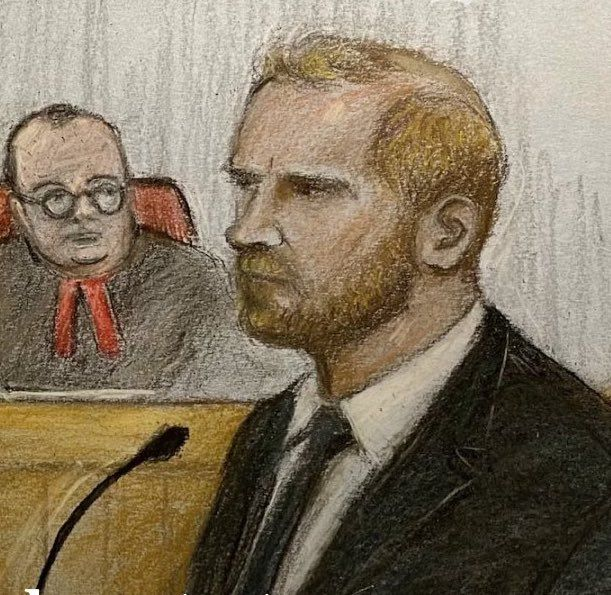
In a spectacle that reeks of calculated theatrics and royal entitlement gone awry, Prince Harry, the self-exiled Duke of Sussex, broke down in tears during his 2023 High Court testimony against Mirror Group Newspapers (MGN). Clutching at emotional straws, he wailed that the relentless media scrutiny had turned his wife Meghan Markle’s life into an “absolute misery.” But let’s peel back the layers of this crocodile-tear charade: far from a noble crusade against press intrusion, Harry’s courtroom meltdown was a masterclass in hypocrisy, self-pity, and opportunistic victimhood. As the world watched a grown man—once a symbol of British stoicism—crumble under the weight of his own grievances, it became painfully clear that this wasn’t about justice; it was about settling scores, boosting book sales, and perpetuating a narrative that paints the monarchy as the villain while Harry and Meghan rake in millions from their perpetual pity party.
To understand the depths of this farce, we must rewind to the heart of the case. Harry sued MGN, alleging widespread phone hacking and unlawful information gathering that targeted him and his associates from the mid-1990s onward. During his two-day grilling in June 2023, the prince didn’t just present evidence; he transformed the courtroom into his personal therapy session. With a quivering voice and eyes welling up, he described how tabloid stories about his relationships, including his marriage to Meghan, had invaded their privacy and exacerbated her mental health struggles. “It was an absolute misery,” he sobbed, referring to the barrage of negative coverage that allegedly drove Meghan to suicidal thoughts. The judge, Mr. Justice Fancourt, even had to intervene at points, reminding Harry to stick to facts rather than emotional rants. Yet, Harry’s performance—complete with dramatic pauses and tear-streaked cheeks—seemed tailor-made for the headlines he so despises.
But here’s the inconvenient truth that Harry’s supporters conveniently ignore: this “misery” narrative is riddled with contradictions and self-serving distortions. For starters, Harry and Meghan have built an empire on the very media exposure they decry. Their Netflix docuseries, *Harry & Meghan*, spilled intimate details of their royal exit, including salacious tidbits about family feuds and palace intrigue. Harry’s memoir, *Spare*, released just months before the trial, was a 400-page bombshell of personal revelations, from frostbitten genitalia anecdotes to accusations of physical altercations with his brother, Prince William. If media intrusion is such a torment, why voluntarily feed the beast with content that guarantees even more scrutiny? It’s the height of hypocrisy: cry foul about privacy invasions while monetizing your life story to the tune of $100 million-plus deals with streaming giants and publishers.
Moreover, the specifics of Harry’s claims crumble under scrutiny. In court, he struggled to provide concrete evidence linking MGN’s alleged hacking to the “misery” inflicted on Meghan. Many of the articles he cited were based on publicly available information or interviews given by associates—hardly the stuff of clandestine espionage. For instance, stories about Meghan’s disputes with palace staff or her father’s staged photos were often corroborated by multiple sources, including Thomas Markle himself. Harry’s insistence that every negative headline was the result of illegal tactics smacks of paranoia, not proof. The court ultimately awarded him a modest £140,600 in damages for 15 out of 33 articles examined, a far cry from the sweeping vindication he sought. MGN admitted to some unlawful practices but denied the scale Harry alleged, and the judge noted that Harry’s evidence was often “speculative” and lacking in detail. In essence, his tears weren’t backed by a torrent of facts; they were a floodgate for unfounded accusations.
This episode isn’t just embarrassing for Harry; it’s damaging to the institution he abandoned. The British monarchy, already navigating the post-Queen Elizabeth era under King Charles III, doesn’t need a rogue prince airing dirty laundry in public forums. Harry’s actions perpetuate a cycle of division, pitting “Team Sussex” against “Team Windsor” in a tabloid-fueled soap opera that undermines the dignity of the crown. Remember, this is the same Harry who once partied in Nazi costumes and admitted to drug use in his youth—indiscretions that were met with public forgiveness. Yet now, he positions himself as the ultimate victim, ignoring how his own choices, like the infamous Oprah interview where he accused the royal family of racism without specifics, have amplified the very media frenzy he laments.
And let’s not gloss over Meghan’s role in this melodrama. Portrayed by Harry as a fragile flower wilted by press barbs, the former actress is no stranger to the spotlight. Her pre-royal career on *Suits* and her lifestyle blog, The Tig, thrived on public attention. Post-Megxit, she’s launched ventures like Archewell and a podcast series, all while selectively engaging with media on her terms. The “absolute misery” Harry describes conveniently omits their strategic leaks to friendly outlets, such as Omid Scobie’s sympathetic biographies. If the media is the monster, why court it for positive spin? Critics argue this selective outrage is less about privacy and more about control—silencing detractors while amplifying their own narrative.
From a broader perspective, Harry’s courtroom histrionics set a dangerous precedent. In an era where mental health awareness is paramount, weaponizing tears to bolster a legal case risks trivializing genuine struggles. True victims of press harassment—think of the families affected by the phone-hacking scandals involving Milly Dowler or the McCanns—deserve empathy without the celebrity gloss. Harry’s privilege allows him to sue from a position of immense wealth and security, complete with a Montecito mansion and A-list bodyguards. Meanwhile, ordinary people facing similar invasions lack the resources for such high-profile battles. His emotional display, while perhaps sincere in the moment, comes across as performative, especially when juxtaposed with his post-trial victory lap, including more media appearances to promote his causes.
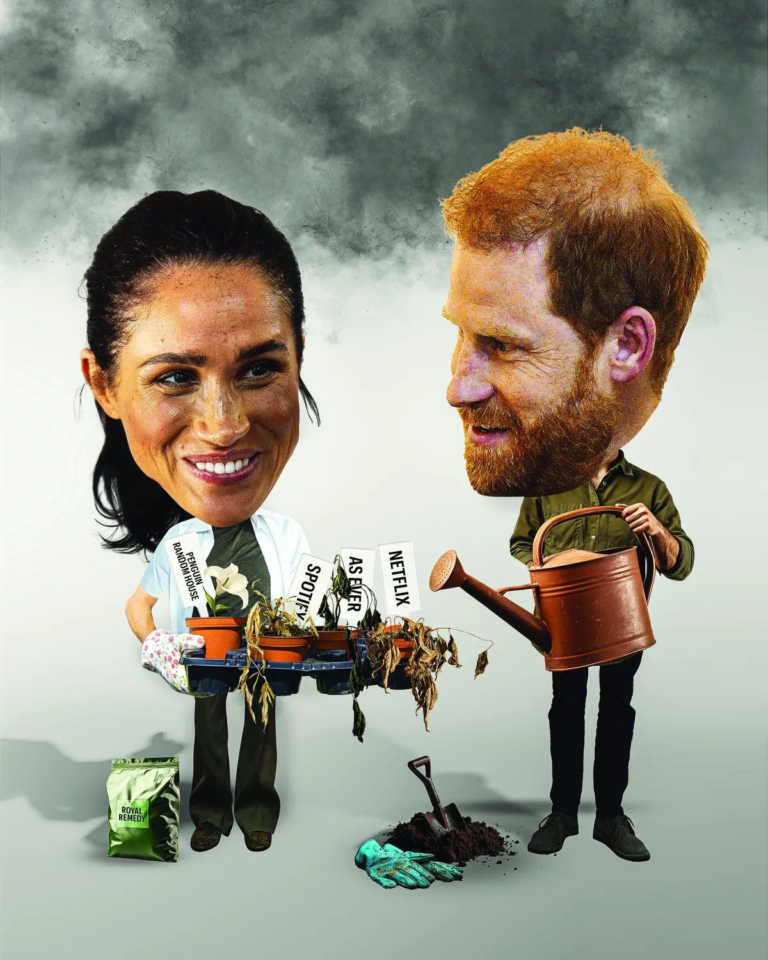
As we reflect on this saga in 2026, with Harry and Meghan’s relevance waning amid failed Spotify deals and public fatigue, it’s evident that the real “misery” is self-inflicted. The couple’s relentless pursuit of grievances has alienated allies, from the royal family to former friends like the Beckhams. Polls show declining support in the UK and US, with many viewing them as entitled complainers rather than inspirational figures. Harry’s tears in court weren’t a watershed moment for press reform; they were a low point in royal history, exposing a man-child unwilling to move beyond grudges.
In the end, Prince Harry’s weepy testimony against the media isn’t a heroic stand—it’s a pathetic ploy for sympathy and settlements. If he truly wants to end the “misery,” perhaps it’s time to log off, step back, and let the world forget the Sussex circus. But don’t hold your breath; after all, victimhood pays the bills.


Tired of these two. Just go away and live your lives, you are old news now and have treated two families very poorly.
We are tired of you two. Just live your life, you were interesting at first but no longer.