In the glittering circus of modern royalty, where every selfie is staged, every quote is focus-grouped, and every outfit is dissected for “optics,” one man refuses to play the game. And it’s driving his critics absolutely bonkers.
Prince William, the 43-year-old heir to the British throne, isn’t hated for being aloof, boring, or bald (though the internet will never let him forget the last one). No. The real reason his detractors can’t stand him is far more dangerous to their narrative: **he is brutally, unapologetically honest with himself — and he doesn’t need anyone’s permission to be.**
He doesn’t embellish. He doesn’t grandstand. He doesn’t issue 47-paragraph statements justifying why he chose X over Y. If he’s doing something, he tells you. If he’s not, he tells you that too — and then he stands his ground while the Twitter mob screams into the void.
This isn’t spin. This is the man in his own words, time after time.
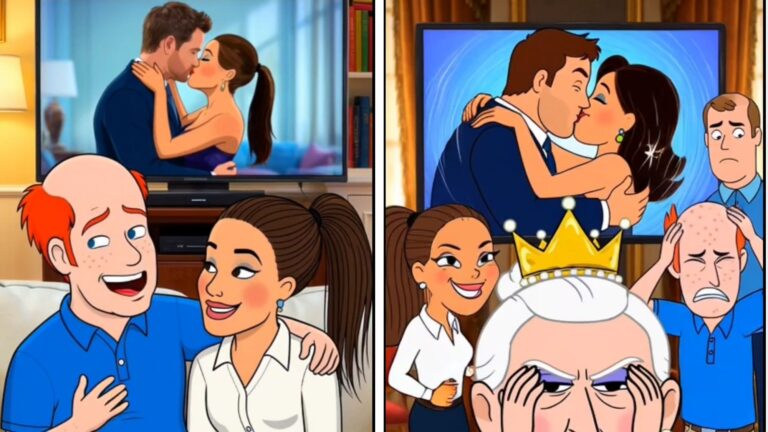
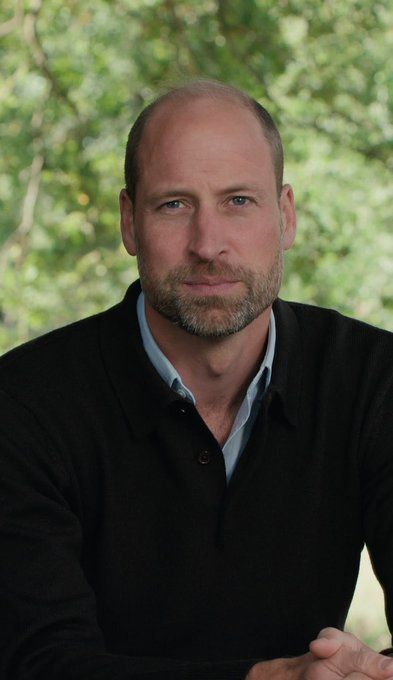
Take the hair. While certain other royals (and let’s not name names) have reportedly spent small fortunes chasing every follicular miracle science can offer, William has never once pretended he’s got a full head of hair at 43. No strategic caps at every angle. No awkward “just got out of the shower” photo shoots. He shows up to state dinners, charity galas, and school visits exactly as he is — receding hairline and all — and the message is crystal clear: “This is me. Take it or leave it.”
Haters call it “lazy.” Insiders call it confidence.
“He simply doesn’t feel the need to perform for the cameras the way others do,” says a senior palace source who has worked with both William and his father for over a decade. “If the job requires a suit, he wears the suit. If it requires wellies on a farm, he wears the wellies. There’s no curated ‘relatable’ narrative. He just… is.”
That same refusal to perform has become the single biggest trigger for the anti-William brigade.
Remember last year when he was accused of “snubbing” a high-profile charity event in favor of spending half-term with his children? The headlines wrote themselves: “Cold Prince William Prioritises Family Over Duty!”
Except William didn’t hide behind a press release or a tearful interview. He didn’t send Kate out to do damage control. He simply said — through one short, factual statement — that he had already committed to family time and would not be attending. Full stop.
No apology. No “but I care deeply about the cause.” No performative Instagram carousel of him hugging children at the event he didn’t attend. Just honesty.
The internet melted down. How dare he not bend to public pressure? How dare he not manufacture the perfect photo opportunity to prove he’s “in touch”?
Because he doesn’t need to.
This pattern repeats across every area of his life that actually matters.
When he launched the Earthshot Prize in 2021, critics sneered that it was “too little, too late” and “just another royal greenwashing exercise.” William’s response? He didn’t call a press conference to defend his environmental credentials. He didn’t trot out celebrity endorsers to shield him. He simply kept showing up — year after year — with concrete projects, measurable results, and zero interest in debating his motives.
“If I’m doing it, you’ll see me doing it,” he has effectively said through his actions. “If I’m not, I won’t pretend I am.”
Contrast that with the endless cycle of justification we see elsewhere in the royal orbit. Every canceled engagement requires a 500-word essay about “mental health journeys.” Every controversial decision needs a sit-down interview where tears are shed on cue. William? He just… doesn’t.
And it infuriates people who have built entire brands around performative vulnerability.
Even his marriage has become a battleground for this very trait. While some royals treat their private life like a Netflix series — complete with trailers and dramatic reveals — William and Catherine have maintained a deliberate, almost old-fashioned boundary. They appear together when they have something to say. They don’t when they don’t. No cryptic social media posts. No “sources close to the couple” leaking every argument.
When Catherine underwent major surgery in early 2024, the Palace statement was nine words long: “The Princess of Wales is in hospital and is recovering well.” No further details. No timeline. No daily updates. William didn’t do the talk-show rounds explaining his “fears for his wife.” He simply cancelled everything he needed to cancel and got on with it.
The haters called it “cold.” The public called it dignified. William called it… private.
This is the pattern that has defined his entire adult life: a man who understands exactly who he is, what he stands for, and what he owes the institution — and refuses to let the noise distort any of it.
“He doesn’t need validation from strangers on the internet,” notes royal commentator and historian Dr. Ed Owens, who has studied the modern monarchy for 15 years. “Most public figures today are addicted to being liked. William appears to have been vaccinated against that particular virus. He measures himself against his own standards — duty, family, service — not against whatever the trending hashtag demands that week.”
And that, ironically, is what makes him such a threat to the current cultural moment.
We live in an age where authenticity has been commodified. Everyone is “keeping it real” on camera… while frantically editing, filtering, and crafting the perfect narrative. William’s version of real is different. It’s not curated. It’s not shareable. It’s not designed to trend. It’s just… him.
When he wears the same navy suit to three engagements in a row, it’s not a fashion statement. It’s because he doesn’t care if people notice. When he turns down a glitzy awards ceremony to attend a quiet community event in Wales, it’s not optics. It’s because that’s where he wants to be.
Even his famous “balding” has become a weird litmus test. While certain ex-royals have turned their physical insecurities into multi-million-pound brand extensions, William has never once addressed it publicly — because why would he? It’s not an issue for him. It’s not a personality trait. It’s just biology.
The haters want him insecure. They want him defensive. They want him performing the modern ritual of public self-flagellation so they can feel superior. Instead, they get a man who looks them dead in the eye and says, without saying a word: “I’m fine. Are you?”
And that silence? That refusal to engage in the circus? It’s louder than any Instagram apology tour.
Palace insiders say the frustration among William’s critics has reached new heights in recent months as he quietly consolidates his role as future king. He has streamlined his household, cut back on non-essential foreign trips, and focused relentlessly on three pillars: mental health (through his Heads Together initiative), homelessness (via Homewards), and the environment (Earthshot). No flashy announcements. No celebrity cameos every five minutes. Just steady, visible work.
When asked why he doesn’t do more “personal” interviews to explain his vision, one aide reportedly replied: “Because the work speaks for itself. And William believes if you have to explain why you’re doing the right thing, you’re probably not doing the right thing.”
That philosophy — do it, don’t talk about doing it — is catnip to the public and kryptonite to the professional outrage class.
Even his relationship with the press has shifted. Where once every minor royal decision was accompanied by a carefully leaked briefing, William has made it clear he will not feed the beast. He will not leak. He will not justify. He will not play.
The result? A growing chorus of commentators who accuse him of being “out of touch” precisely because he refuses to touch the very levers of modern celebrity that they demand.
But here’s the quiet truth that has royal watchers buzzing: the British public is noticing.
Recent polling shows William’s personal approval ratings remain stubbornly high — hovering in the mid-70s — even as the broader monarchy takes hits. People may not always understand his choices, but they respect that he makes them without apology.
“He’s not trying to be your friend on Instagram,” one 58-year-old grandmother from Manchester told us outside a recent Earthshot event. “He’s trying to be a decent king one day. There’s a difference.”
And that difference is exactly what his haters cannot tolerate.
Because in a world addicted to performance, authenticity looks like arrogance. Confidence looks like coldness. And a man who knows exactly who he is — without needing to broadcast it, justify it, or monetize it — becomes the ultimate rebel.
Prince William isn’t playing their game.
He never has.
And the beautiful, infuriating part? He never will.
He’ll just keep showing up as himself — hairline and all — doing what he says he’ll do and not doing what he says he won’t.
For his haters, that’s the ultimate insult.
For the rest of us? It might just be the ultimate royal flex.