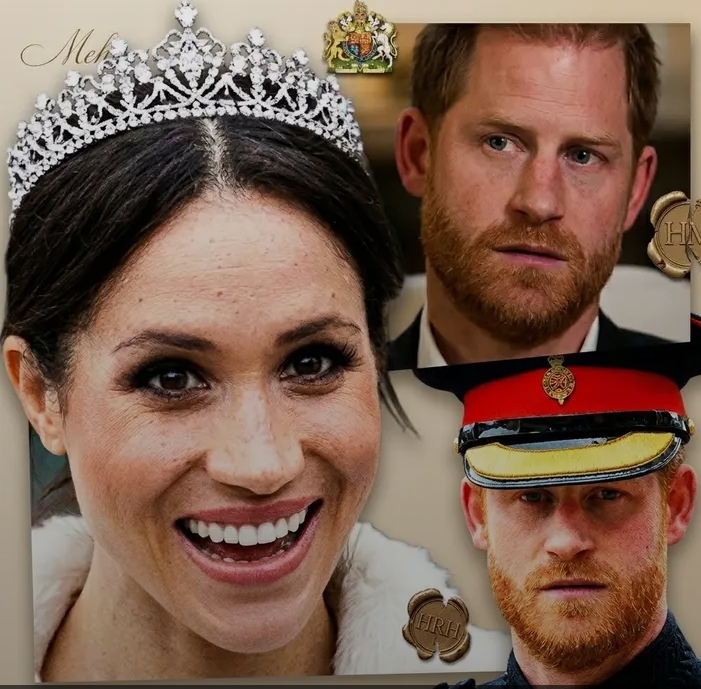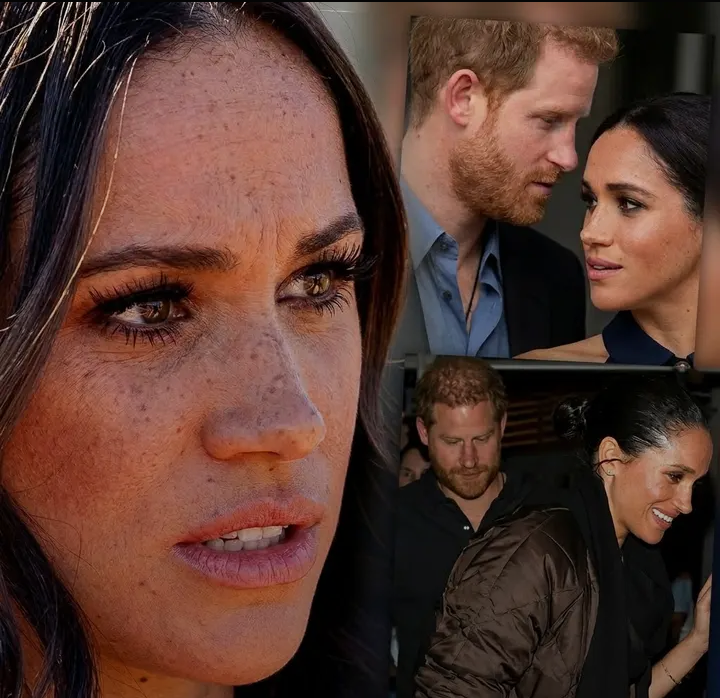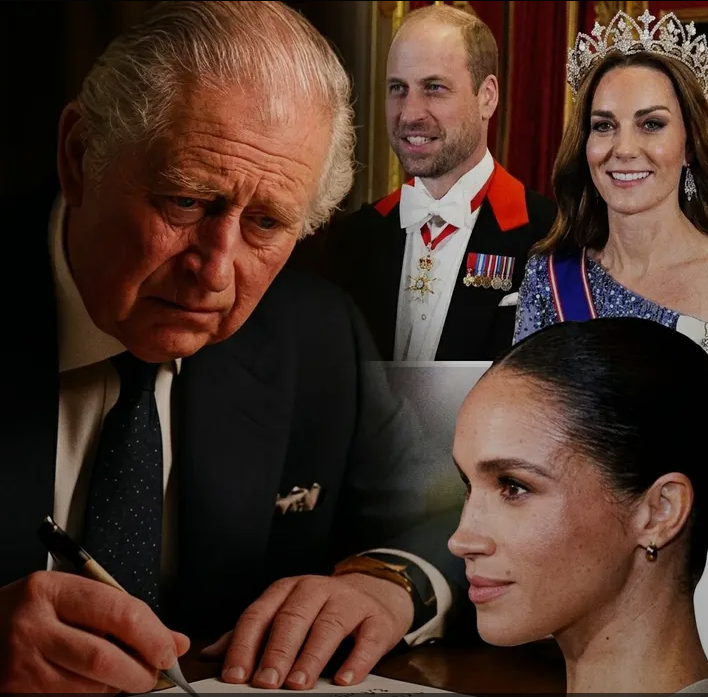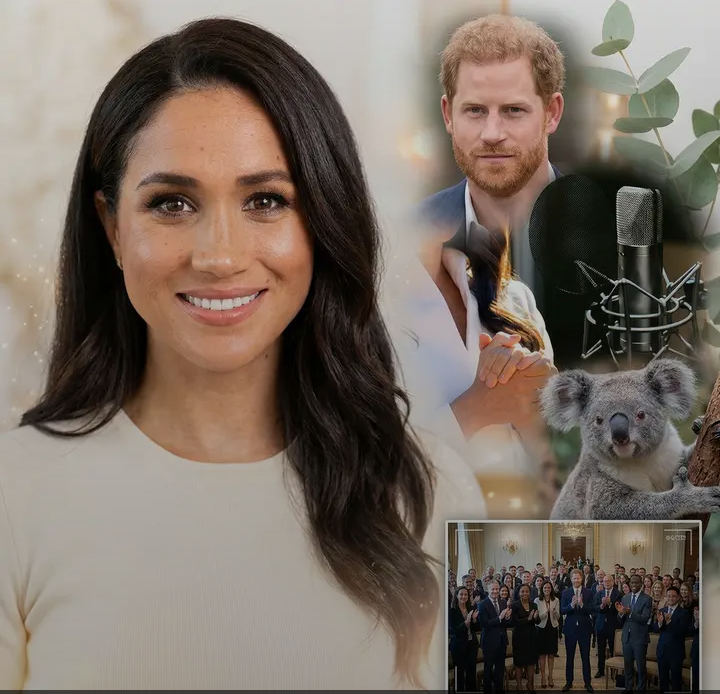
The contrast could not be sharper. On one side, a carefully managed image projected through global media channels, presenting Meghan Markle as a modern, independent public figure. On the other, a wave of increasingly critical voices emerging from parts of Australia, where her potential visit has sparked a noticeably divided reaction.
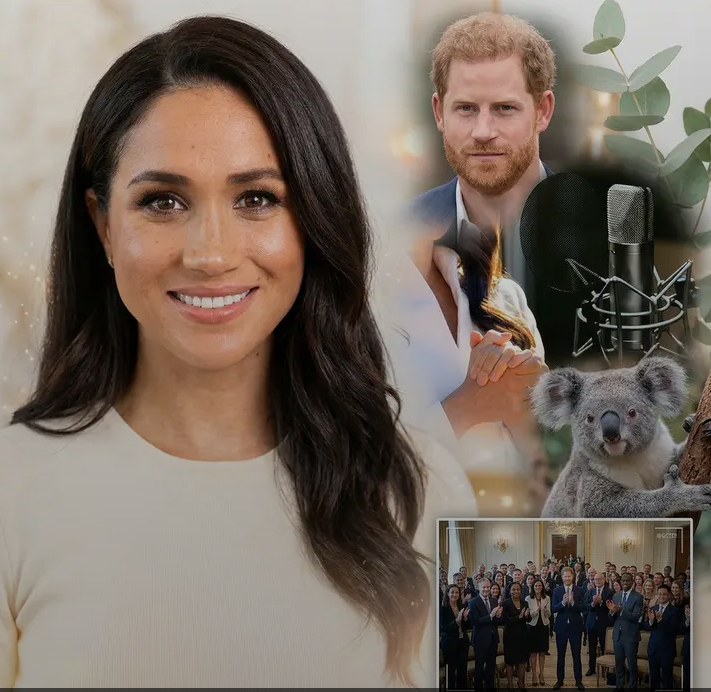
‘Gold-digging grifter’: Aussies ‘do not want’ Meghan Markle to visit down under
Much of the current controversy stems from commentary amplified by television personalities and media analysts, some of whom have used unusually harsh language to describe Meghan. Terms like “gold-digging grifter” have circulated in segments discussing her public image, reflecting a level of hostility that goes beyond standard royal criticism. While such remarks are clearly subjective and often designed to provoke attention, they have nonetheless contributed to shaping a narrative that her reputation has shifted significantly since her earlier appearances in the country.
Meghan Markle Australia trip rocked by damaging email leak | New Idea
Back in 2018, when Meghan and Prince Harry toured Australia, the atmosphere was markedly different. Crowds gathered with enthusiasm, and the couple was widely embraced as a fresh and relatable addition to the Royal Family. At that time, Meghan’s story—an American actress stepping into royal life—carried a sense of novelty and optimism. Today, however, the tone in some quarters has hardened, with critics pointing to subsequent controversies, media projects, and public statements as reasons for their changing views.
Meghan Markle to Use ‘Tour of Australia to Resurrect Her Podcast Efforts’
A recurring theme in these discussions is the perception that the Sussexes have increasingly blurred the line between royal identity and commercial activity. Some commentators argue that Australia is now being viewed not just as a destination for public engagement, but as a potential market—one where visibility can translate into influence and, ultimately, financial opportunity. This interpretation has fueled skepticism, particularly among those who believe that royal associations should remain separate from overt monetization.
One media observer noted that “the issue isn’t simply whether people like or dislike Meghan—it’s whether they feel they’re being treated as an audience or as a marketplace.” This distinction, subtle but important, highlights why reactions can be so emotionally charged. For supporters, Meghan represents independence and reinvention; for critics, she symbolizes a departure from traditional expectations tied to the monarchy.
At the same time, it is important to recognize that public opinion is far from uniform. While certain television segments and commentators have voiced strong opposition, they do not necessarily represent the views of all Australians. There remains a segment of the population that is either supportive of the couple or indifferent to the ongoing debates surrounding them. The loudest voices, however, often dominate the conversation, creating an impression of broader consensus than may actually exist.
The suggestion that Meghan is actively seeking to position Australia as a key focus for future ventures has added another layer to the discussion. Whether grounded in confirmed plans or speculative reporting, the idea has resonated with critics who view it as evidence of a calculated strategy. For them, the timing of increased media attention, combined with potential visits, appears less coincidental and more deliberate.
Still, others caution against drawing firm conclusions from fragmented information. A cultural commentator recently remarked that “public figures at Meghan’s level are constantly navigating global audiences. Engagement doesn’t automatically mean exploitation, even if it can be perceived that way.” This more measured perspective serves as a reminder that interpretations often depend as much on pre-existing attitudes as on the actions themselves.
What is clear is that the narrative surrounding Meghan in Australia has evolved. The initial goodwill that accompanied her introduction to the public has, in some circles, been replaced by skepticism and, at times, outright criticism. Whether this shift is driven by media framing, genuine changes in public perception, or a combination of both remains an open question.
For Prince Harry and Meghan, the challenge lies in navigating this complex landscape. Their global profile ensures that every move is scrutinized, every statement analyzed, and every visit interpreted through multiple lenses. In such an environment, even routine engagements can take on outsized significance.
As the debate continues, one thing stands out: the story is no longer just about a royal couple adapting to life beyond the monarchy. It has become a broader conversation about media influence, public trust, and the fine line between personal branding and public duty. And in places like Australia, that conversation is far from settled.