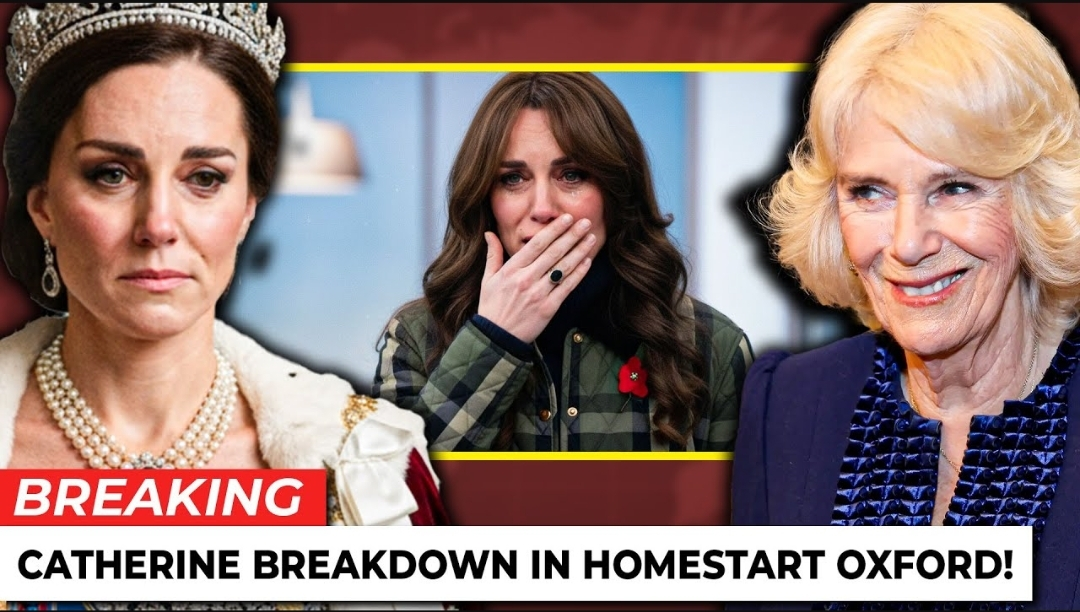
It happened quietly—so quietly that no one in the room realized history had just shifted. A volunteer tapped go live on a private Instagram stream. A camera kept rolling. And the world saw something it had almost never seen from a future queen.
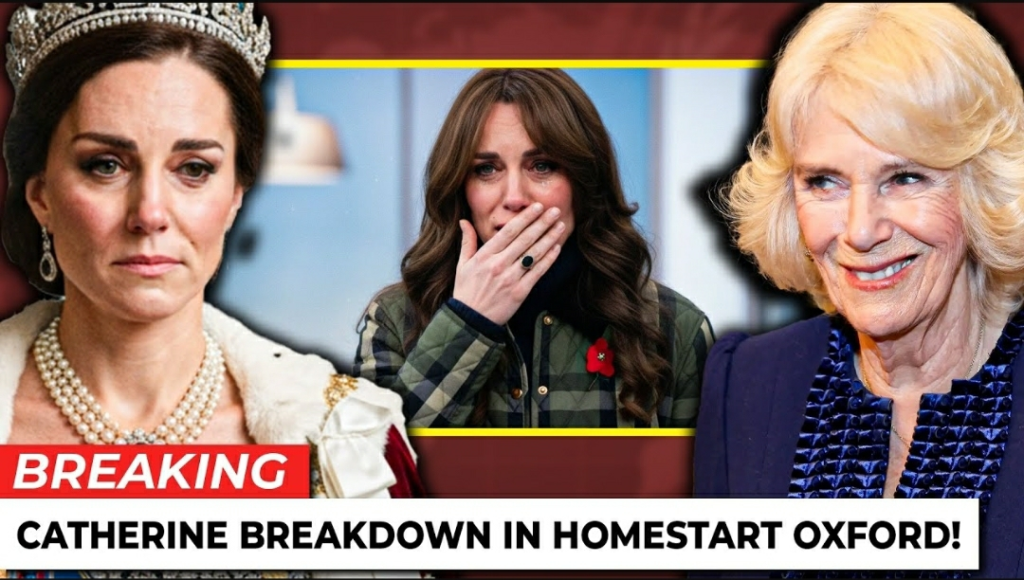
Catherine, Princess of Wales, was crying.
Not the graceful, camera-ready tears of a royal engagement, nor the tight, dignified blink of controlled emotion. These were real tears—raw, unguarded, the kind that rise when empathy becomes too heavy to carry in silence.
For years, Catherine has championed early childhood development and parental mental health. Americans and Britons alike have grown accustomed to her composure, her steadiness, her unshakable sense of calm. But during an October 2025 visit to Homestart Oxford, something far deeper unfolded. Catherine didn’t simply hear stories that day—she absorbed them. And the emotion that followed revealed a new understanding of who she truly is.
A Chilly Morning, A Warm Room, A Breaking Point
It began on an ordinary autumn morning. Catherine arrived in an oatmeal-colored coat, boots low to the ground, her schedule filled with play sessions, discussions with volunteers, and a tour of family resource rooms.
What no one planned—what no one could have planned—was the emotional avalanche that would occur at 11:17 a.m.
Inside a softly lit room decorated with playmats, three mothers shared stories that would break the strongest hearts. A Nepalese immigrant who had walked four hours in snow with her baby just to find company. A teenage mother whose family had abandoned her after the birth. A widow with newborn twins who had not slept a full night in three months.
Catherine listened, hands folded, breath held. As the third woman’s voice cracked, the Princess blinked hard. Then she whispered, “I’m so sorry… I can’t imagine the weight you carry.”
And the tears came—quietly at first, then visibly enough that the room fell completely still.
A Royal Heart Unmasked
Within an hour, the footage had circled the UK. By sunset, networks across the Atlantic were airing the clip.
“A royal heart unguarded,” declared The Guardian.
“The moment that changed everything,” wrote a viral post shared over three million times.
But something unusual happened in the days that followed.
There was no backlash. No outrage. No criticism of impropriety. Instead, a wave of warmth swept across Britain and the US.
“She wasn’t a princess in that moment,” one mother commented. “She was one of us.”
On Facebook, women shared their own stories of loneliness, postpartum depression, and silent struggles. Therapists and social workers praised Catherine’s empathy. Even critics of the monarchy softened.
For millions, that tear wasn’t a sign of weakness.
It was a sign of leadership.
Behind Closed Doors, Another Story Unfolded
What most people didn’t see that day was everything that came after.
Instead of retreating to regroup, Catherine asked to continue. She sat with a young father caring for a partner with postnatal psychosis. She listened to former victims of domestic violence who now mentor others. She handled a battered teddy bear on a shelf and murmured, “George used to have one just like this.”
Before leaving, local children handed her a handmade bracelet spelling the word Stillness. Today, it sits on her bedside table at Adelaide Cottage beside a stack of parenting books.
Those who were with her say the moment wasn’t a breakdown.
It was a breakthrough.
A New Kind of Crown
In recent years, the monarchy has been tested—by illness, by criticism, by shifting public expectations. King Charles’ cancer diagnosis. Catherine’s own private health battle. The pressure on William as he quietly shoulders more of the nation’s expectations.
Yet through it all, Catherine’s influence has only grown.
Behind the scenes, she continues approving early childhood initiatives, writing to families she has met, and shaping long-term mental health programs. Her Oxford tears weren’t isolated—they were the visible part of years of steady, evidence-based work.
Royal historians now say what millions are feeling:
Catherine is redefining what monarchy means.
Not with jewels.
Not with ceremony.
But with presence.
With emotional clarity.
With humanity.
With the courage to sit beside pain, not above it.
The Moment That Will Be Remembered
There are thousands of photographs of the Princess of Wales. But none will endure like the grainy frame captured that October day: Catherine seated on a folding chair, a single tear drifting down her cheek, her hand resting gently on a grieving mother’s shoulder.
In that moment, she wasn’t just a future queen.
She was a witness—one who listens, absorbs, and refuses to turn away.
And perhaps that is why this moment matters so deeply to older generations in the US and UK. Those who lived through decades of stoic monarchs understand how rare it is to see a royal step out from behind centuries of formality.
Catherine didn’t abandon tradition.
She expanded it.
If the monarchy survives the 21st century, it will not be because of pageantry. It will be because it learned, finally, to feel.
And because one woman, in a quiet Oxford room, allowed the world to see her heart—and in doing so, helped millions finally feel seen themselves.