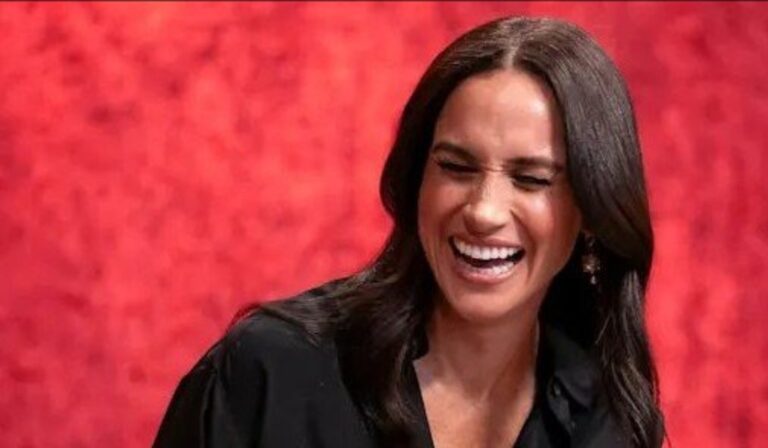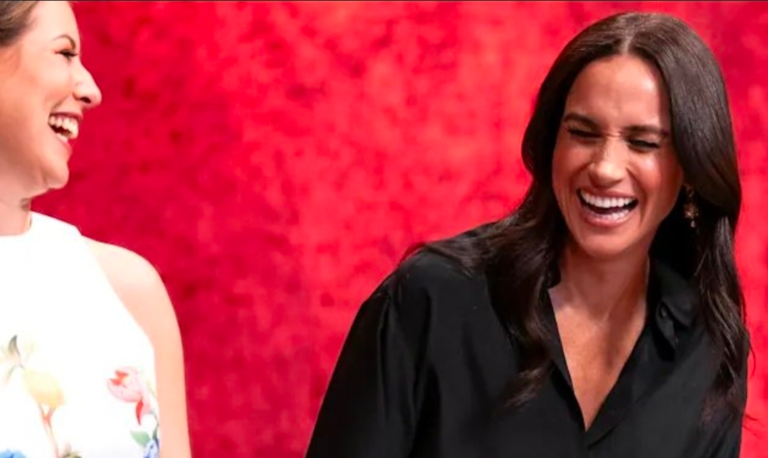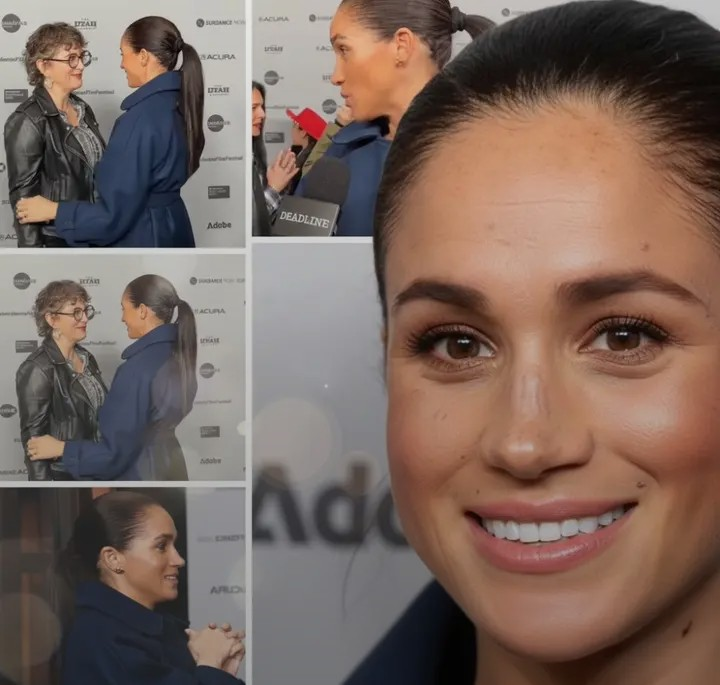
Meghan Markle’s latest appearance at the Sundance Film Festival was meant to spotlight a feel-good documentary about ambition, girlhood, and tradition, yet it quickly became another reminder of how unforgiving public attention can be when it comes to the Duchess of Sussex. Attending the second screening of Cookie Queens, a film she and Prince Harry executive-produced through Archewell Productions, Meghan walked onto the stage to cheers and applause, poised and confident, ready to speak about a project she clearly believes in.
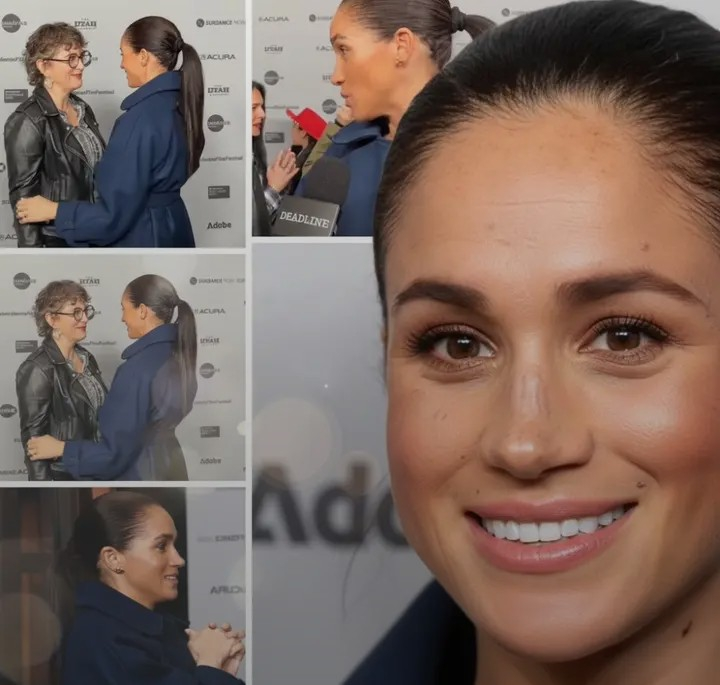
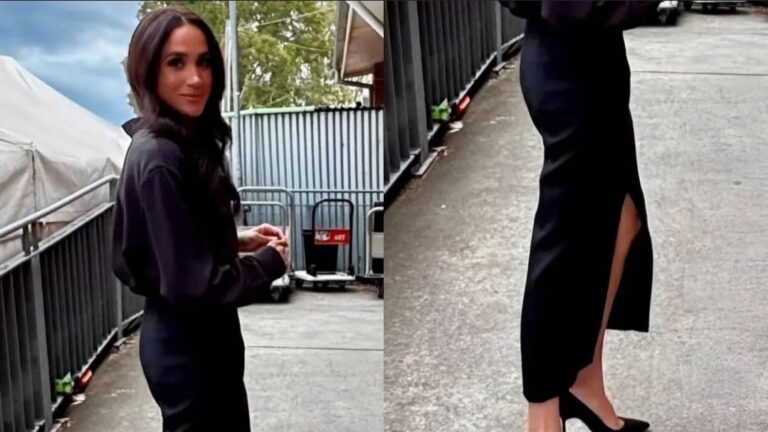
Dressed in a navy blue coat, black trousers and a cream jumper, Meghan opted for a clean, understated look. Her make-up was described as minimal and bronzy, while her hair was pulled back into a sleek ponytail, a style often associated with professionalism and simplicity. On the surface, it was a safe and polished choice, fitting for a film festival setting rather than a red-carpet spectacle. But within hours, attention shifted away from her speech and toward a small yet glaring detail that social media users were quick to seize upon.

Photos and clips circulating online appeared to show Meghan’s hair extensions visible at the side and back of her head. What might have gone unnoticed in another context instantly became fodder for mockery. On X and Instagram, users zoomed in, circled screenshots, and offered blunt assessments. “Bad hair extensions,” one wrote, while another asked incredulously what they were supposed to be looking at, criticising not just the hair but also the tone of her make-up. A third commenter remarked that the clump of hair behind her ear looked tangled rather than intentional.

For some observers, this level of scrutiny felt excessive, even cruel. One reader commented beneath an article sharing the images, saying that it was “astonishing how a woman’s entire contribution can be overshadowed by a loose strand of hair.” Others, however, argued that Meghan invites this attention through her high-profile status and carefully managed image. “If you’re presenting yourself as a global figure, people will notice every detail, fair or not,” another commenter noted.
The reaction also exposed a familiar pattern in coverage of Meghan Markle. What began as a discussion of a documentary quickly morphed into a debate about appearance, authenticity, and even her right to use her royal title. Some online critics used the moment to question why she was introduced on stage as “Meghan Markle, the Duchess of Sussex,” reigniting long-standing arguments about her connection to the Royal Family. One particularly popular comment claimed she was “no Duchess of Sussex,” reflecting the lingering resentment among certain royal watchers.
Yet amid the noise, Meghan’s actual words at Sundance received comparatively little attention. In her speech, she spoke warmly about Cookie Queens, calling it “probably the cutest film at the festival” while also praising it as one of the most meaningful portrayals of an American tradition rooted in nostalgia. She highlighted the layers of complexity in modern girlhood and described the documentary as a labour of love, filmed over several years with the trust of the families involved. “These young ladies are about to become very strong leaders and young women,” she said, a line that resonated with many parents and educators watching.
Supporters were quick to point out the contrast between the film’s message and the reaction to Meghan herself. “A documentary about empowering girls, and the headline is about a woman’s hair,” one commenter wrote, adding that it said more about the audience than the subject. Another reader observed that male producers rarely face similar ridicule for minor styling issues, calling the backlash “predictably gendered.”
The incident also raises broader questions about celebrity culture and the impossible standards imposed on public figures, particularly women. Meghan Markle has long been a lightning rod for criticism, with even neutral moments often interpreted through a hostile lens. A royal commentator quoted elsewhere suggested that the fixation on her appearance reflects unresolved tensions surrounding her departure from royal duties. “Every appearance becomes symbolic,” the commentator said. “People project their feelings about the monarchy, race, privilege, and power onto how she looks in a single photograph.”
Despite the mockery, Meghan appeared unfazed at the event itself, smiling, waving, and engaging confidently with the audience. To some, that composure is precisely why the criticism persists. “She doesn’t retreat, and that irritates people who expect her to,” one reader commented. Others argued that by continuing to attend high-profile events and use her title, Meghan is deliberately asserting her place in the public sphere, imperfections and all.
In the end, the Sundance appearance may be remembered less for a beauty faux pas and more as another example of how Meghan Markle exists at the intersection of admiration and derision. A few visible hair extensions became a talking point not because they mattered, but because they offered an easy hook for ongoing narratives about her. As one commenter put it bluntly, “If it wasn’t the hair, it would have been something else.”