Montecito, California — What was meant to be a tender fifth birthday tribute has instead become a public relations nightmare for the Duke and Duchess of Sussex. Meghan Markle’s Instagram post marking daughter Lilibet’s milestone — captioned simply “Our dream girl. Happy 5th birthday, Lili 🤍” — has ignited fierce online debate, with thousands questioning everything from the child’s presentation and apparent digital manipulation to the couple’s parenting choices and selective family narrative.
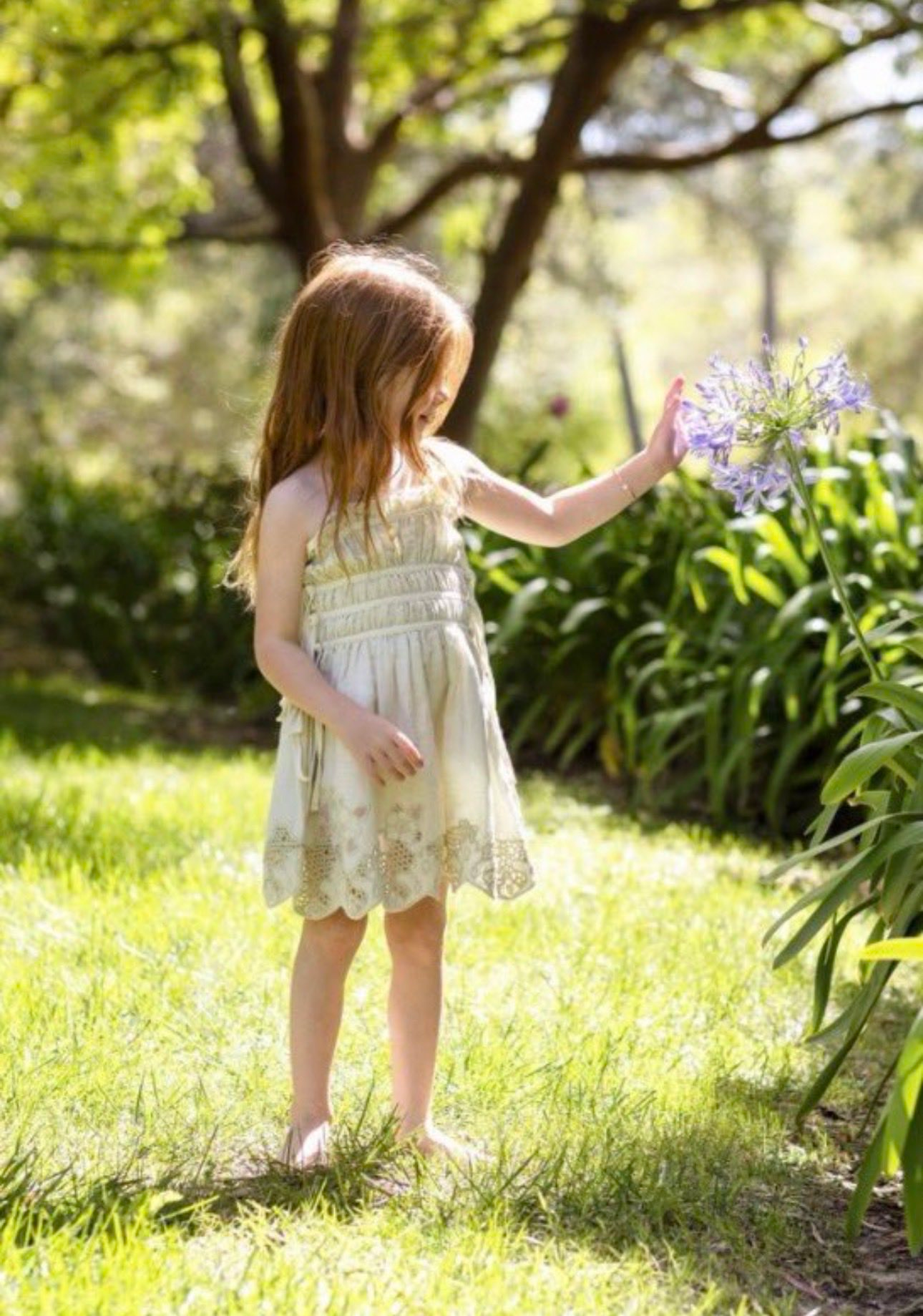
The accompanying photograph, taken in the sun-drenched garden of the couple’s Montecito estate, shows the five-year-old standing barefoot on lush grass. She wears a delicate, light-colored tiered sundress with lace detailing at the hem — a garment critics have slammed as semi-sheer or inappropriately revealing in the bright California light. Her long reddish-brown hair appears tousled and unstyled, and she reaches tentatively toward a tall purple agapanthus bloom. The image has an almost ethereal, staged quality, yet it is precisely this “dreamlike” presentation that has fueled accusations of heavy photoshopping, neglectful styling, and a troubling detachment from everyday parenting realities.
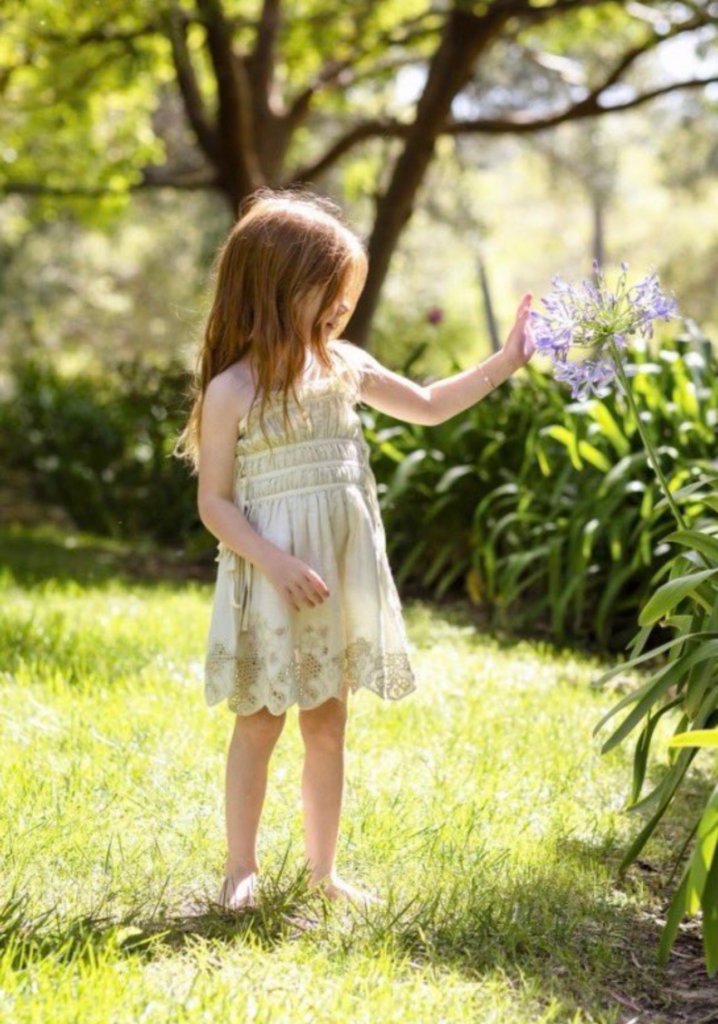
The Caption That Started It All
The phrasing “Our dream girl” struck many observers as jarring and oddly performative. Social media erupted with pointed commentary: “What parent says ‘our dream girl’? One that doesn’t parent.” The language, critics argue, feels more like aspirational branding than the unfiltered affection of a mother who is deeply involved in the daily rhythms of raising a young child. In an era when most parents guard their children’s digital footprints fiercely, publishing such a stylized image with that caption has been interpreted by many as tone-deaf at best and exploitative at worst.
Photoshop Fails and Visual Red Flags
Almost immediately, eagle-eyed users began dissecting the photograph for signs of digital alteration. Complaints flooded in about disproportionate head size relative to the body, inconsistent lighting, and what one viral reply described as a “horrid Photoshop job” that left the child looking like “a waif” with parts of her figure oddly missing or distorted. The barefoot, unkempt presentation — no shoes, hair that appears unbrushed — clashed sharply with the polished, aspirational image the Sussexes have cultivated since relocating to California.
Parents across platforms expressed particular alarm at the choice of attire. “What parent would publish their 5-year-old daughter in a see-through dress??” one commenter demanded. Others worried openly about the safety implications of sharing such images publicly, with some going as far as to label the decision “child exploitation” and warn about the dangers of drawing unwanted attention to a young girl in a revealing outfit. “All I can think of is all the degenerate pedophiles ogling at these pictures,” wrote one particularly blunt observer. “Her parents should be arrested for child exploitation!”
Where Is Archie? The Favoritism Question
The post’s singular focus on Lilibet has also revived long-standing accusations of favoritism. Brother Archie, now seven, is entirely absent from the birthday tribute — a pattern some claim reveals deeper issues within the family’s carefully managed public image. Past comments attributed to Meghan, in which she allegedly suggested one child “made them parents” while the other “made them a family,” have been resurfaced and scrutinized anew. Critics argue this selective visibility raises uncomfortable questions about why one child is positioned as the “dream” while the other remains largely hidden from view.
A Pattern of Curated “Reality”
This is not the first time the Sussexes’ family imagery has come under fire for apparent heavy editing or inconsistent storytelling. Previous holiday cards, birthday snapshots, and carefully leaked photographs have repeatedly sparked similar debates about photoshopping, staging, and the gap between the idyllic narrative presented to the public and the more complicated reality behind closed doors. Detractors see a consistent strategy: use the children as props to humanize the couple’s brand while maintaining strict control over how much of their actual lives is revealed.
The barefoot, flower-child aesthetic in the latest image has been contrasted sharply with how other royal children are typically presented — often in more practical clothing and with greater attention to privacy. While supporters of the Sussexes dismiss the criticism as nitpicking or bad-faith pile-ons, the volume and specificity of the complaints suggest something deeper: a growing public fatigue with what many perceive as inauthentic, overly curated glimpses into a family that fled royal scrutiny precisely to escape constant judgment.
The “Dream” That Feels Increasingly Fragile
At its core, the backlash centers on a fundamental disconnect. The caption and image project an almost fantasy-like vision of childhood — the perfect “dream girl” reaching for a perfect purple flower in a perfect garden. Yet the very elements meant to evoke innocence and whimsy (bare feet, flowing sheer fabric, windblown hair) have instead highlighted concerns about judgment, safety, and the commodification of children for public consumption.
As Lilibet turns five, the questions linger: Is this another carefully staged moment in an endless PR campaign, or a genuine but disastrously misjudged attempt at sharing family joy? Either way, the internet has rendered its verdict loud and clear. The “dream girl” post has exposed far more than intended — about parenting choices, digital manipulation, selective visibility, and the widening credibility gap surrounding the Sussexes’ carefully constructed California idyll.
For a couple that has built much of its post-royal identity around authenticity and breaking free from protocol, the latest firestorm serves as a stark reminder: in the age of forensic social media scrutiny, even the most “dreamlike” photographs can quickly become nightmares when the public stops buying the narrative.
(Accompanying photo: The widely circulated garden image of young Lilibet in the light tiered dress, barefoot on the grass, reaching toward the purple bloom — the very image that has fueled this latest wave of controversy.)
The Sussexes have not yet responded to the mounting online criticism.