In yet another eyebrow-raising revelation that’s got royal watchers shaking their heads in disbelief, Prince Harry has doubled down on his long-standing narrative that members of the British Royal Family were consumed by **jealousy** over Meghan Markle’s superior ability to “do the royal thing.” According to the Duke of Sussex, his wife wasn’t just fitting in—she was excelling so brilliantly that it threatened those who were actually born into the institution. This explosive assertion, resurfacing in recent discussions and tied back to his Netflix docuseries and interviews, paints a picture of petty envy within the palaces rather than the reality many see: a couple whose demands and behavior led to their own isolation. But is this jealousy real, or is it Harry’s way of deflecting from Meghan’s well-documented struggles in royal life? Let’s unpack this absurd claim and why it’s falling flat with experts, commentators, and the public alike.
### The Origin of the Claim: Harry’s Netflix Confession
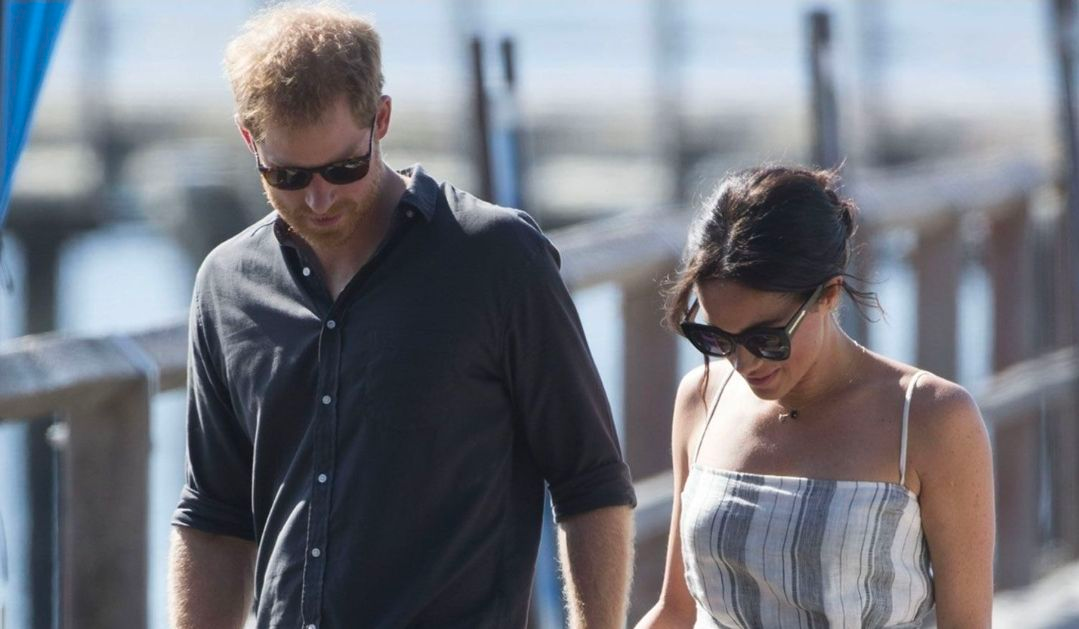
The roots of this narrative trace back to the couple’s 2022 Netflix docuseries *Harry & Meghan*, particularly Volume II. In a candid moment, Harry reflected on Meghan’s standout performance during their 2018 Australia tour—their first major overseas engagement as a married couple. Crowds adored her, headlines praised her charisma, and engagement levels soared. Harry described it as the moment the family “got to see how incredible she is at the job.”
He went further, implying that this success triggered resentment: “The issue is, when someone who’s marrying in, who should be a supporting act, is then stealing the limelight, or is doing the job better than the person who was born to do this, that upsets people.” Over footage of positive press for Meghan and Harry contrasted with more subdued coverage of others, Harry suggested this led to a shift in family dynamics and a surge in negative stories about Meghan.
This echoed his earlier comments in the 2021 Oprah Winfrey interview, where he linked Meghan’s popularity to memories of Princess Diana’s star power. Harry claimed the family welcomed Meghan initially but changed after seeing her “Diana-like” connection with the public. “It all changed after the Australia tour,” he said, hinting that her effortless charm reminded them of past threats to the hierarchy.
### Experts and Insiders Push Back: “Risible” and “Delusional”
Royal biographers and commentators have not held back in dismantling Harry’s theory. One prominent royal author called the idea that the family was jealous of Meghan’s success “risible”—meaning laughably absurd. The suggestion that seasoned royals like Queen Elizabeth II, Princess Anne, or even Prince William and Kate Middleton felt threatened by a newcomer ignores the institution’s centuries-old structure and discipline.
Critics point out the obvious: The royal family thrives on public support and modernization, not petty rivalries. If Meghan was truly “doing the job better,” why did her tenure as a working royal end so abruptly? Insiders have long described tensions arising from Meghan and Harry’s demands for privacy while craving publicity, staff complaints about bullying behavior, and a perceived lack of adaptability to royal protocol—not jealousy over talent.
One biographer emphasized that Harry and Meghan were viewed by some staff as difficult, with the jealousy narrative serving as a convenient excuse. “The rest of the royal family jealous of their success in Australia? Strikes me as risible,” the expert noted, highlighting how the tour was a high point before cracks appeared due to internal conflicts, not envy.
### The Real Story: Harry’s Own Jealousy and the “Spare” Mindset
Ironically, many observers flip the script: It’s Harry who has long harbored jealousy toward his brother Prince William, the heir apparent. In his 2023 memoir *Spare*, Harry openly admitted feeling overshadowed as the “spare,” with William receiving preferential treatment, resources, and media coverage. He even suggested William was jealous of his own freedom as the spare, but the evidence points more convincingly the other way.
Royal watchers argue Harry’s fixation on Meghan’s supposed superiority stems from his own insecurities. By elevating her as better than “those born into it,” he indirectly diminishes the lifelong dedication of William, Kate, and others who’ve trained from birth for public service. This narrative conveniently ignores Meghan’s reported struggles—cultural clashes, protocol missteps, and staff turnover—that contributed to the couple’s 2020 exit, known as “Megxit.”
Commentators have noted the hypocrisy: While Harry claims jealousy drove negativity toward Meghan, sources close to the family describe a protective institution closing ranks after repeated breaches of trust, including private family matters aired publicly.
### Public and Social Media Backlash: No One’s Buying It
On platforms like X (formerly Twitter), the claim has sparked mockery rather than sympathy. Users have questioned who exactly was jealous—Queen Elizabeth II? Princess Anne? Princess Alexandra? Seasoned female royals who’ve served quietly for decades without fanfare? One post quipped: “Who was jealous that Meghan was ‘doing the royal thing better’—his Grandmother, The Queen?”
Others highlight the timeline: Meghan’s popularity peaked early, but sustained royal duties require consistency, not just charisma. The couple’s post-royal ventures—floundering deals and public missteps—undermine any notion of untapped royal excellence. As one observer put it, “If she was so much better, why couldn’t they make it work inside the family?”
Even neutral voices express confusion: How could the richest, most stable monarchy in history envy a newcomer when the institution’s survival depends on collective appeal, not individual stardom?
### Why This Claim Matters—and Why It’s Backfiring
Harry’s insistence on family jealousy serves to portray Meghan as a victim of institutional insecurity rather than acknowledge shared responsibility for the rift. It reframes their departure as forced by envy, not choice. Yet as time passes, with the couple building lives in California amid their own challenges, the narrative increasingly rings hollow.
The royal family has moved forward—King Charles III, Prince William, and Kate Middleton continue duties with steady public support. Meanwhile, Harry’s repeated digs risk alienating the very institution he once represented, turning what could have been a modernizing chapter into a cautionary tale of entitlement and deflection.
In the end, Prince Harry’s claim that the royals were jealous because Meghan “could do the royal thing better” isn’t just unsubstantiated—it’s seen by many as a desperate attempt to rewrite history. The evidence suggests the real issue wasn’t jealousy from those born royal, but perhaps an inability to accept that royalty isn’t about stealing the spotlight—it’s about selfless service. And on that front, the “born royals” still lead by example.
A woman without a title or a crown will be a nobooy, Stop this evil ctrature and take away all titles if you don’t the king will lose all followers.