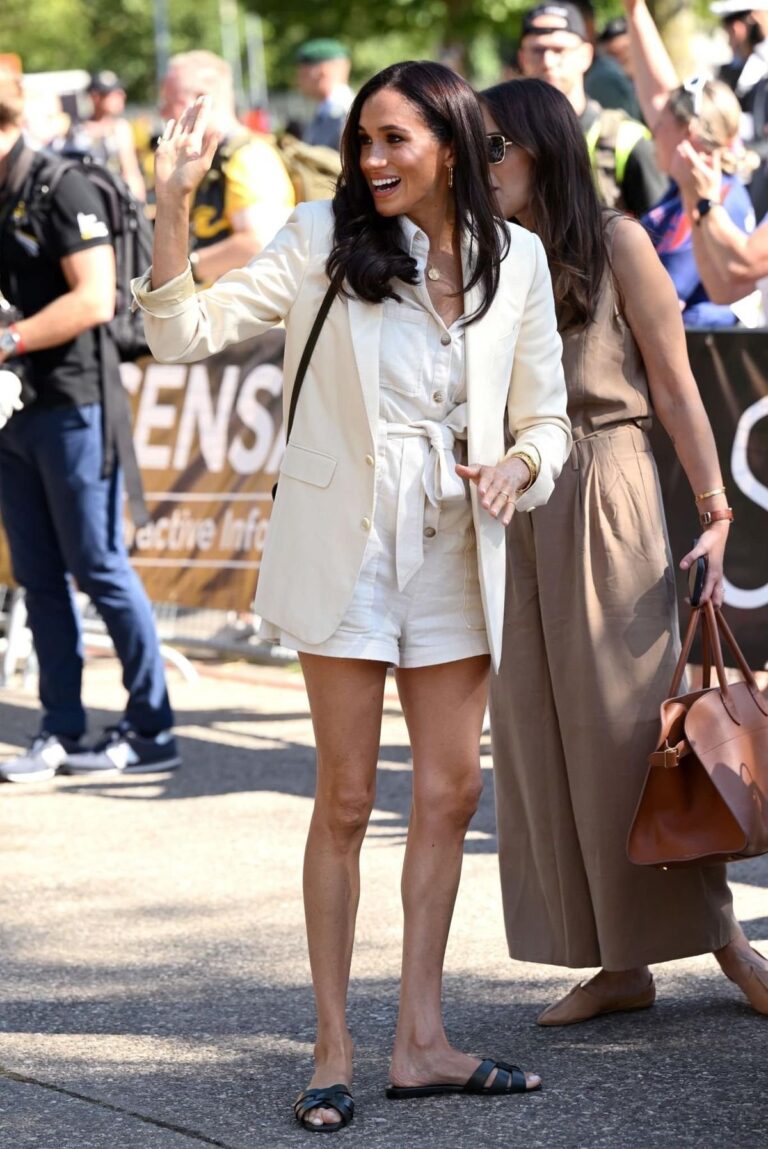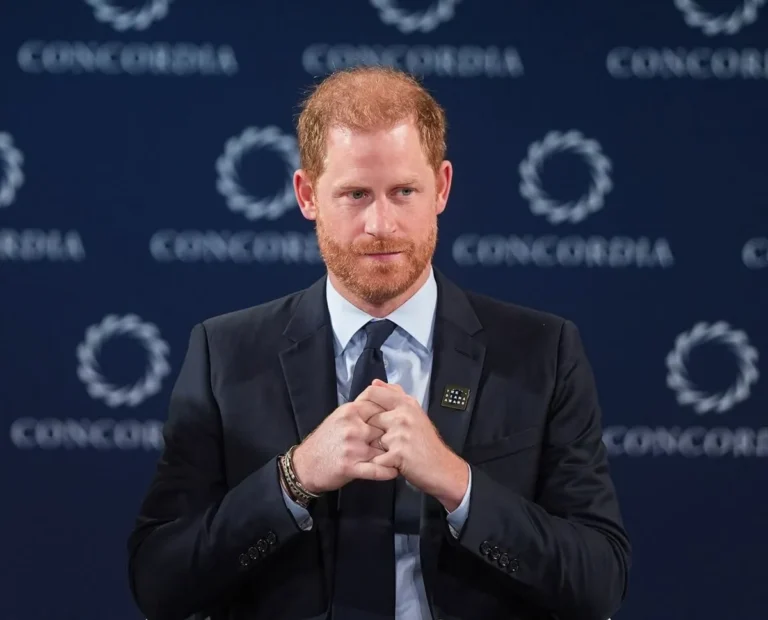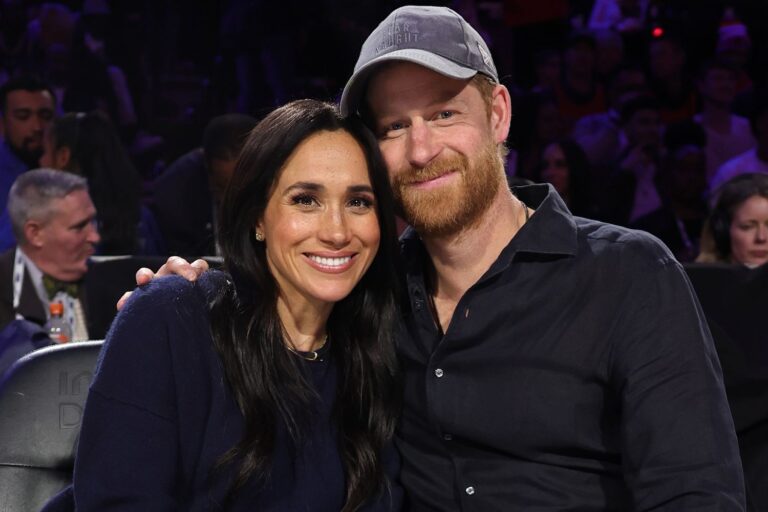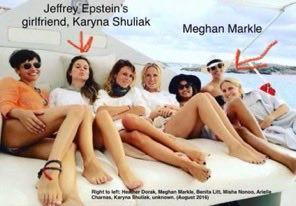
Meghan Markle fans have spent years defending her as the victim of an unforgiving royal machine, but a closer look at the facts surrounding Virginia Giuffre’s explosive legal battle against Prince Andrew reveals a far more complicated picture — one that should give even her staunchest supporters pause. Back in 2021, Giuffre’s high-powered attorney, David Boies, publicly floated the idea of issuing a subpoena to force Meghan to testify in the civil lawsuit accusing Prince Andrew of serious misconduct during his association with Jeffrey Epstein. The case ultimately settled out of court in early 2022, sparing everyone a trial, but the reasoning behind targeting Meghan remains chillingly relevant — and it ties directly into uncomfortable questions about how well she actually knew Andrew long before her widely publicized “chance encounter” with Prince Harry.
Why was Meghan even on the radar for a subpoena? Boies laid it out plainly in interviews at the time: as a U.S. resident, she fell under American court jurisdiction. More crucially, she had been — at least for a period — a “close associate” of Prince Andrew through her royal connections. Boies suggested she might have “important knowledge” — perhaps having witnessed or overheard discussions about Andrew’s behavior — and emphasized that she could be “counted on to tell the truth.” This wasn’t wild speculation; it stemmed from Meghan’s documented proximity to the royal circle, including friendships that predated her relationship with Harry. The implication was clear: if the case had proceeded to trial, Meghan could have been compelled to sit for deposition and answer questions under oath about what she knew of Andrew’s social world.
The timeline only adds fuel to the fire. Meghan and Harry have long described their meeting as a sweet, blind-date setup in July 2016 — an organic, low-key introduction where she supposedly didn’t even recognize key royals at first. Harry himself recounted in his memoir *Spare* how Meghan mistook Prince Andrew for the Queen’s assistant during an early encounter, highlighting her apparent unfamiliarity with the family. Yet reports and royal insiders have pointed to a different backstory: Meghan was already friendly with Princess Eugenie (Andrew’s daughter) for years before that supposed first meeting with Harry. How could someone embedded enough in Eugenie’s circle to form a genuine friendship not know who Andrew was — the father of her friend and a prominent senior royal?
This discrepancy has fueled persistent speculation that the official narrative of a whirlwind, innocent romance might obscure earlier, less fairy-tale-like connections. Some sources have suggested Meghan’s path crossed Andrew’s social orbit well before Harry entered the picture — possibly through mutual acquaintances in elite circles or events tied to high-society networks. While no concrete evidence has ever proven wrongdoing on Meghan’s part (and none has been alleged in connection to Epstein or Giuffre’s claims), the mere fact that a major plaintiff’s attorney viewed her as a valuable potential witness speaks volumes about perceived proximity.
Supporters often dismiss these links as guilt-by-association smears, but the subpoena threat wasn’t random. Giuffre’s team was methodically building a case around Andrew’s circle, and Meghan — as a family insider turned independent voice — represented an accessible source of insight. That the case never reached discovery phase (thanks to the settlement) means those questions were never formally asked in court, but they linger. Why the rush to portray the Harry meeting as a total surprise when prior ties existed? Why downplay familiarity with Andrew when it could explain so much?
In the years since, Meghan has distanced herself from the royal fold, but the shadow of that near-subpoena refuses to fade. Giuffre’s tragic passing in recent years only intensified scrutiny of everyone connected to the Epstein saga, including Andrew. For Meghan backers who champion her as a truth-teller against institutional abuse, the irony is stark: the same legal pressure that targeted Andrew could have pulled her into the spotlight in ways that might have forced uncomfortable revelations about her pre-Harry world.
The lesson here is straightforward. Blind loyalty can backfire when the full picture emerges. Meghan’s story has always been one of careful curation — but when Virginia Giuffre’s lawyer eyed her as a credible witness due to those longstanding Andrew connections, it cracked open the door to doubts about the “how and when” of her royal entry. Supporters should tread carefully: wishing for more transparency might uncover details that don’t fit the approved narrative.
As the royal saga drags on, one thing is undeniable — the web of associations runs deeper than the fairy-tale version allows. And for those cheering Meghan on, the risk isn’t just reputational; it’s the possibility that pushing for truth could reveal more than anyone bargained for. 👑