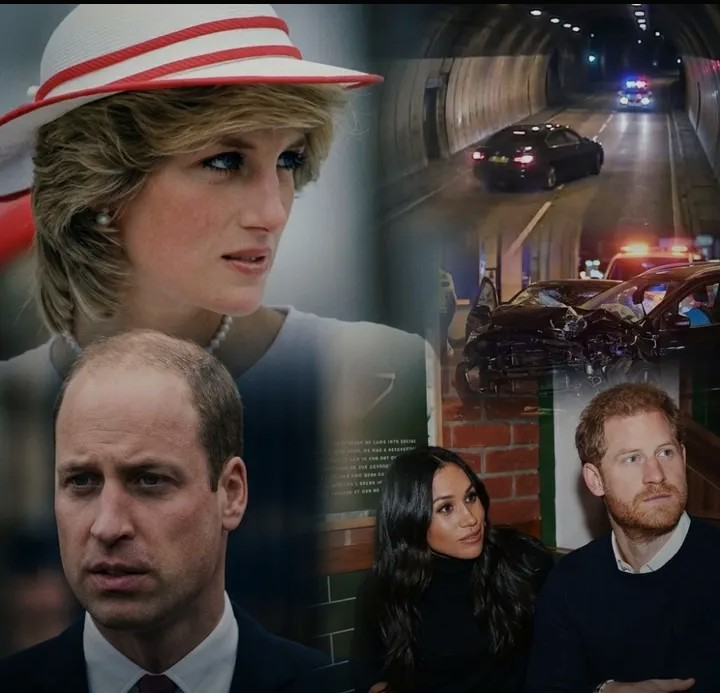
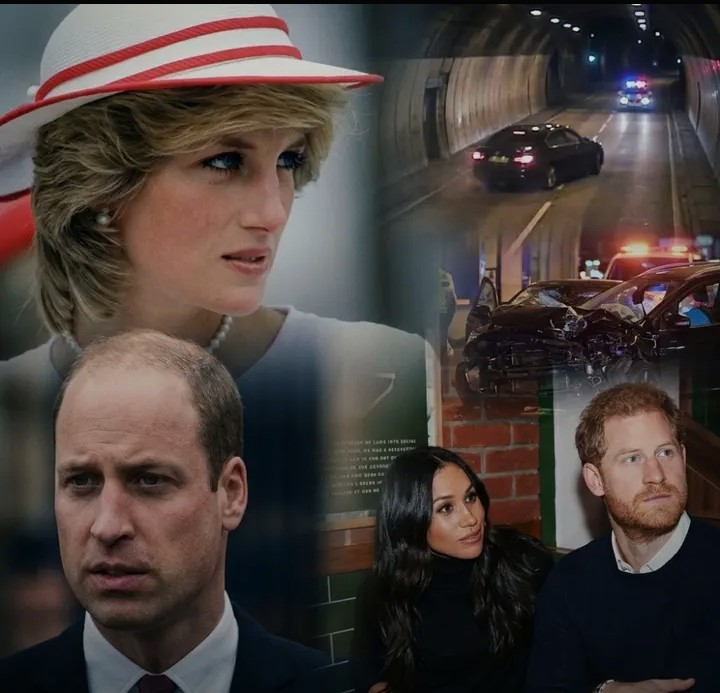
Speculation is mounting over a reported clash between Prince William and Meghan Markle amid claims that a new documentary about Diana, Princess of Wales could be in development at Netflix. If the circulating reports are accurate, the situation may place Meghan in a particularly difficult position, as William is said to be firmly opposed to the project and prepared to resist it.
Prince William Turns 40: How He’ll Modernize the Monarchy | Vanity Fair
According to sources cited by Radar Online, the proposed documentary would mark the 30th anniversary of Diana’s death in August 2027. The project is allegedly being considered as part of the Sussexes’ ongoing partnership with Netflix. Insiders claim that Prince Harry wants to honor his mother’s legacy through a feature-length tribute, offering what he may see as a deeply personal and corrective account of her life.
However, the same reports suggest that William views the idea very differently. He is said to be angered by the prospect of revisiting Diana’s life in a commercial streaming format, particularly if it forms part of a broader content deal. From this perspective, transforming such a personal and painful chapter of family history into entertainment content risks appearing transactional. For William, sources claim, the concern is not only about storytelling but about the principle of profiting from tragedy.
Prince William haunted by childhood pain as he faces new family worries: expert
Tensions are reportedly heightened by Meghan’s alleged involvement behind the scenes, especially if the project were to be produced through the couple’s company, Archewell Productions. Critics cited in the commentary argue that William may see this as crossing a deeply personal boundary. To him, according to these accounts, allowing Diana’s legacy to be shaped or monetized by someone who married into the family years after her death could feel like an intrusion into sacred ground. The emotional dimension of that objection cannot be understated, particularly given the highly publicized strains between the brothers in recent years.
EXCLUSIVE: Meghan Markle ‘Tell-All Memoir’ Being Blocked By Prince Harry
Supporters of Harry, however, present a counterargument. As Diana’s younger son, they say, he has every right to tell his mother’s story. From this standpoint, commemorating the 30th anniversary of her passing through a documentary would not be exploitation but remembrance. One insider claims Harry believes the royal institution failed to adequately protect Diana during her lifetime. Because of that belief, he may feel that the Palace does not hold exclusive authority over how her life and legacy are presented to the world. In his view, telling her story outside “palace walls” could be an act of reclaiming narrative control.
Meghan Markle and Prince Harry’s Cute Princess Diana Tribute | Marie Claire
The debate, therefore, appears to center less on whether a documentary should exist and more on the context in which it would be made. The video commentary summarizing the reports emphasizes that the key issue for many observers is commercialization. If the film is perceived as a strategic move within a corporate streaming contract, critics argue it could be interpreted as leveraging Diana’s memory for financial gain. That perception, fair or not, is what fuels much of the outrage.
Some commentators suggest that public reaction might differ if the project were structured differently. For example, if all profits were pledged to charities closely associated with Diana’s humanitarian work—such as HALO Trust—the narrative might shift from profit to philanthropy. Diana’s advocacy for landmine victims remains one of the defining images of her public life. A charitable framework could potentially align the documentary more clearly with her legacy of service rather than commercial enterprise.
At this stage, it is important to stress that no official confirmation has been issued regarding the existence, scope, or production details of any such documentary. The reports remain speculative, relying on unnamed sources and commentary. There have been no formal announcements from Netflix, Archewell, or representatives for William or Harry outlining concrete plans.
Nevertheless, the mere suggestion of such a project underscores the enduring sensitivity surrounding Diana’s memory and the complicated dynamics within the royal family. Nearly three decades after her death, she remains an emotional touchstone not only for her sons but for millions around the world. Any effort to revisit her story—whether through film, television, or publishing—inevitably carries symbolic weight.
If the documentary were to move forward, observers speculate that William might explore avenues to limit its scope, though it remains unclear what legal or practical mechanisms would be available. Ultimately, the situation highlights a broader tension: the balance between personal remembrance, public storytelling, and commercial media realities in the modern royal era.
Until concrete details emerge, the controversy remains hypothetical. Yet even in rumor form, it illustrates how deeply Diana’s legacy continues to shape the narrative of both her sons—and how differently they may choose to protect and interpret it.