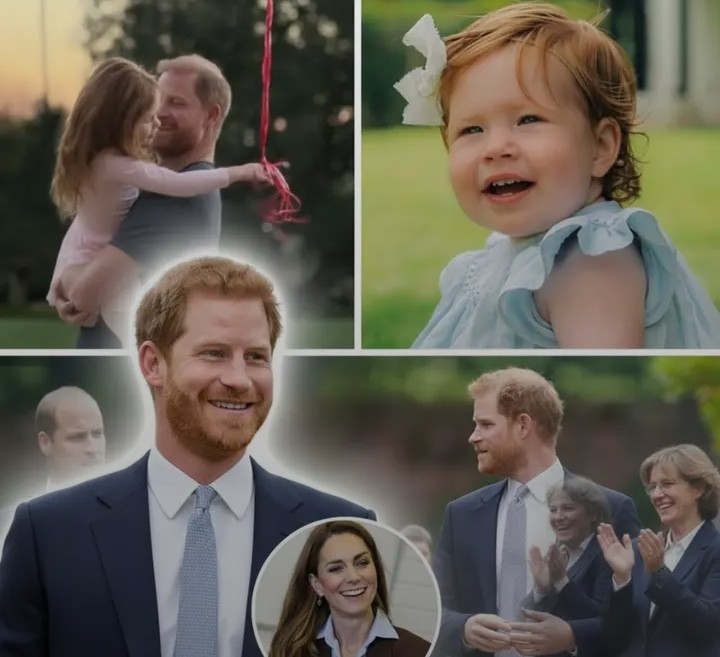
For years, headlines have focused on the fracture between Prince William and Prince Harry—a once inseparable pair of brothers now described as distant in both geography and trust. Since Harry stepped back from royal duties in 2020 and relocated to California with Meghan Markle, public appearances together have been rare and carefully choreographed. Interviews, memoir revelations, and legal battles have only widened the divide, leaving many royal watchers convinced that reconciliation remains far away.
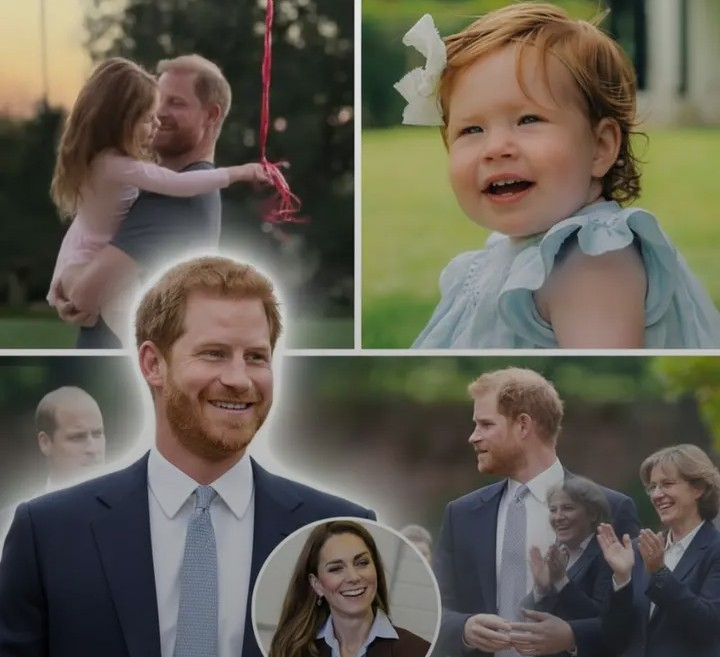
Against that backdrop, a quieter story has emerged—one that shifts attention away from tension and toward tenderness. According to royal author Russell Myers in his book William & Catherine: The Intimate Inside Story, William and Catherine, Princess of Wales sent a gift and a handwritten card to celebrate the birth of Princess Lilibet on June 4, 2021. It was described as an olive branch, albeit a modest one, extended during a time when direct communication between the brothers was minimal at best.
On the surface, sending a gift to a newborn niece may seem like a simple, even expected, act. But within the complicated ecosystem of royal dynamics, it carried weight. Observers noted that this gesture came amid reports that discussions of “the other side” were discouraged within palace circles following the unveiling of the statue of Diana, Princess of Wales at Kensington Palace in July 2021. That joint appearance was professional and restrained, and afterward, insiders suggested that William had emotionally closed a chapter with his younger brother.
Yet the gesture toward Lilibet suggests that even when adult relationships fracture, lines of care toward the next generation may remain intact. “Children shouldn’t inherit disputes,” one royal commentator remarked during a televised panel discussion. “Whatever William feels about Harry, Lilibet is still his niece. That matters.” The comment resonated widely online, where readers expressed surprise that warmth could persist in such a frosty climate.Harry Wanted To Speak To Estranged Brother William Through A Mediator
Critics might argue that the act was symbolic rather than transformative. There were no public visits, no shared photographs, no evidence of ongoing involvement in Lilibet’s life. Indeed, reports indicate that the gift and card represented the extent of contact at the time. But symbolism, particularly in royal contexts, often speaks louder than frequency. A handwritten note from the future king carries emotional significance, especially when trust between families is strained.Pivotal Moment in Prince William and Prince Harry’s Feud Is Questioned Over Physical Fight Claim
Some readers have responded to the revelation with softened attitudes toward William. In a media environment that frequently paints him as resolute and unyielding, the idea that he quietly acknowledged his niece’s arrival has introduced nuance. “It shows he separates his duty from his heart,” one commenter wrote beneath a news clip. “You can be hurt by your brother and still care about his child.” That sentiment, echoed thousands of times across social platforms, hints at a public appetite for stories of grace rather than grievance.
Royal historian perspectives also frame the gesture within tradition. The monarchy has long emphasized continuity and lineage. By sending a formal welcome to Lilibet—who, despite living in the United States, remains part of the line of succession—William and Catherine affirmed her place within the extended family narrative. It was a subtle acknowledgment that whatever storms surround the adults, the institution looks toward the future.
At the same time, the emotional distance between the brothers remains evident. When Harry returned to the United Kingdom for court proceedings in recent years, public engagements showed William and Catherine focused firmly on their roles, reinforcing their image as the steady embodiment of the monarchy’s future. Commentators like Robert Jobson have described the divide as no longer measured in miles but in mindset—one brother anchored in institutional duty, the other vocal about past grievances.
And yet, the existence of that congratulatory card complicates the story. It suggests that beneath headlines of estrangement lies a quieter layer of familial acknowledgment. Whether it will ever evolve into a deeper reconnection is uncertain. Reconciliation, as many observers note, requires trust—something reportedly in short supply.
For now, the image that lingers is not of confrontation but of courtesy: a future king and queen sending their blessings to a little girl who may barely know them. In a saga often defined by division, that small act has struck a chord. It reminds readers that even within the most public of families, private gestures can carry profound meaning—and sometimes, those are the moments that truly endure.