For years, the absence of public appearances by the children of Prince Harry and Meghan Markle has fueled speculation on both sides of the Atlantic. Prince Archie and Princess Lilibet, though officially holding royal titles following the accession of King Charles III, remain largely unseen. A recent court development connected to Harry’s long-running security dispute in the United Kingdom has reignited debate, with commentators claiming it sheds new light on why the couple continues to shield their children from public view.Leaked details of Megxit and one thing Harry and Meghan refused to do.
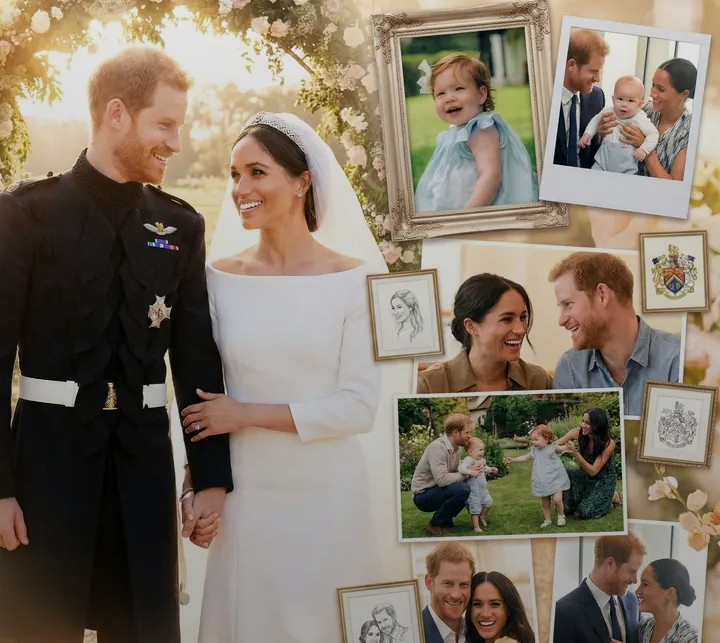
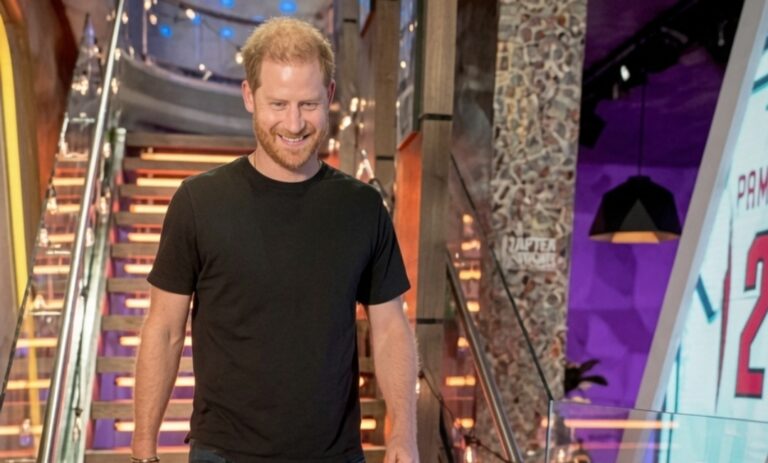
The legal proceedings, centered on the level of taxpayer-funded protection granted to Harry and his family while in Britain, have underscored the duke’s argument that security threats remain serious and credible. While the court did not issue any sensational revelation about the children themselves, observers were quick to link the heightened security concerns to the couple’s strict privacy stance. Supporters argue that Harry’s experience growing up under relentless media scrutiny — and the tragic death of his mother, Diana, Princess of Wales — explains his determination to prevent history from repeating itself.Harry, Meghan step out in NYC ahead of explosive Netflix series
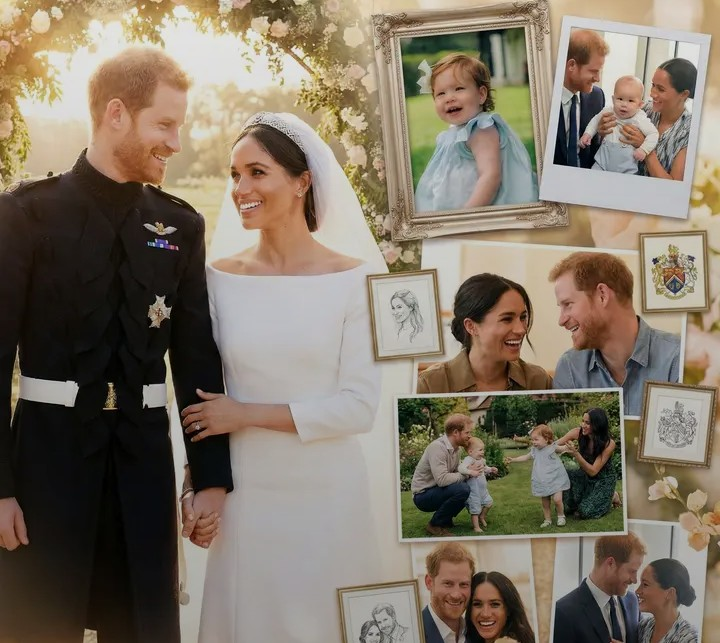
Critics, however, see a contradiction. They note that Archie and Lilibet were granted the titles of prince and princess after Charles became king, a status that traditionally comes with a public dimension. Royal historian Margaret Ellis, speaking on a London radio panel, remarked that “the monarchy survives on visibility. When royal children are completely absent, it creates distance rather than affection.” Her comment reflects a broader sentiment among some royal watchers who believe that public connection is essential to maintaining relevance.Inside Prince Harry and Meghan Markle’s Wedding: Photos & Details
Comparisons are frequently drawn with the Wales family. Prince William and Catherine, Princess of Wales have gradually introduced their children — Prince George of Wales, Princess Charlotte of Wales, and Prince Louis of Wales — at carefully managed public events. Birthday portraits, balcony appearances, and school photographs have allowed the public to feel invested while still maintaining boundaries. In contrast, only a handful of carefully curated images of Archie and Lilibet have ever been released, often tied to significant milestones.
Some media analysts suggest that the Sussex strategy may have initially been influenced by commercial considerations. During the couple’s high-profile media partnerships in the United States, exclusivity was valuable. Limiting access to personal family moments arguably enhanced their narrative control. Yet as public opinion has shifted, that same exclusivity now risks being interpreted as detachment. One American columnist observed that “mystery can create intrigue, but prolonged absence can create indifference.”
At the heart of the renewed discussion is the court’s emphasis on security assessments. Harry’s legal team argued that without adequate protection, bringing his family to the UK could expose them to unacceptable risk. For many readers, this reinforces the idea that safety, not secrecy, is the primary driver. A British commentator sympathetic to the duke wrote that “no parent who has lived through what Harry has would gamble with their children’s well-being.” This perspective resonates strongly among those who view the media environment as far more invasive than in previous royal generations.
Still, skepticism persists. Some critics question whether the couple’s insistence on privacy aligns with their continued engagement in high-profile interviews and media productions. The tension between seeking public platforms and guarding private life has become a recurring theme in coverage of the Sussexes. Social media discussions reveal a polarized audience: some express empathy, others frustration, and many simple curiosity about children who, despite their titles, remain largely symbolic figures.
There is also a constitutional dimension. Royal titles traditionally imply a relationship with the nation. When children bearing those titles grow up outside the United Kingdom and outside public view, questions naturally arise about their future roles. Palace insiders have remained notably silent, neither criticizing nor commenting on the couple’s decisions. That silence, in turn, leaves space for speculation to flourish.
Ultimately, the so-called “sick reason” suggested in dramatic headlines appears less about scandal and more about perception. The court ruling did not unveil wrongdoing; it highlighted the ongoing complexity of balancing security, privacy, and public expectation. Whether one interprets the Sussexes’ approach as protective or strategic often depends on prior views about the couple themselves.
What remains undeniable is that Archie and Lilibet occupy a unique position in modern royal history — children of a duke who stepped back from official duties, raised across continents, yet still connected by blood to the British throne. As long as they remain largely unseen, debate will continue. For some, that absence is an act of responsible parenting. For others, it represents a missed opportunity to build goodwill. In the evolving story of the monarchy in the 21st century, their invisibility may prove as consequential as any public appearance.