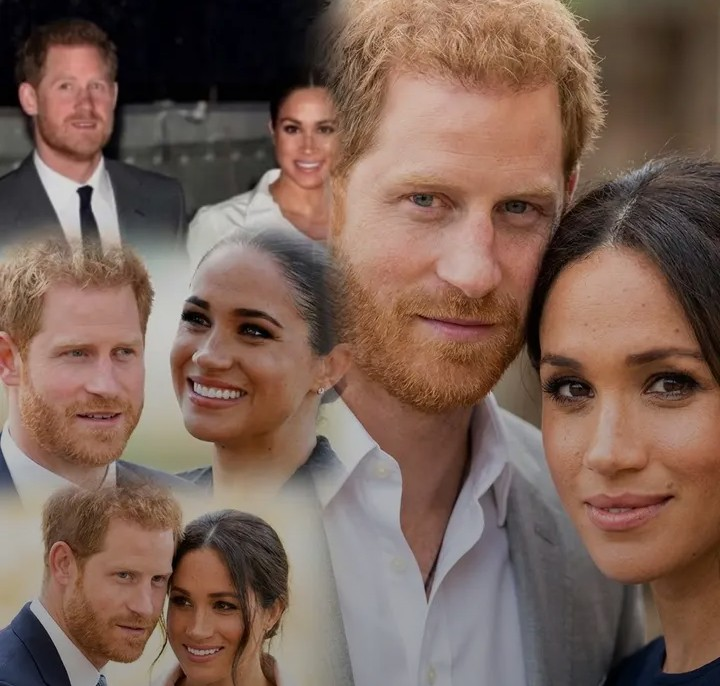
The latest chapter in the Sussex saga has reignited debate about whether the strategy crafted by Prince Harry and Meghan Markle is beginning to unravel under the weight of its own contradictions. What was intended to project stability and purpose has instead opened the door to fresh scrutiny, particularly following Harry’s recent video message supporting the WellChild Awards while simultaneously battling legal claims against Associated Newspapers Limited.Royal wedding: Prince Harry and Meghan Markle’s big day, explained | Vox
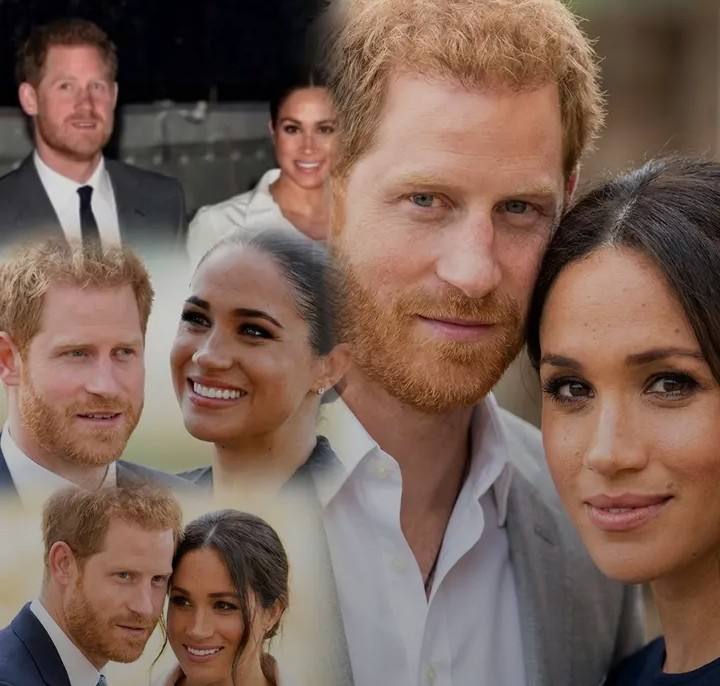
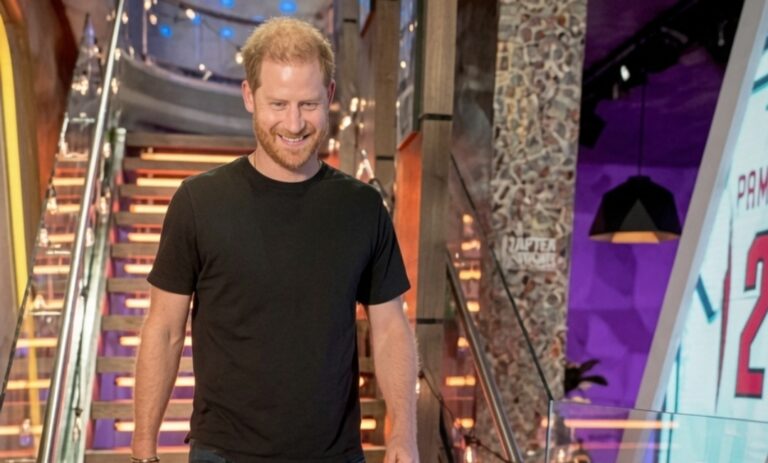
Harry’s legal fight over alleged phone hacking has been positioned as a stand against media intrusion, an issue deeply personal to him given the history surrounding his mother, Diana, Princess of Wales. Supporters argue that his persistence reflects a genuine attempt to hold parts of the British press accountable. Yet critics suggest the optics are complicated. Releasing a casually filmed promotional video from California during a sensitive legal period — rather than appearing in person while recently in London — struck some commentators as poorly timed.Prince Harry and Meghan Markle Intimately Detail Why They Left the Royal Family | Vogue
A royal affairs analyst speaking on a British talk program questioned whether the video strengthened or diluted Harry’s charitable credibility. “If this is one of his most cherished causes, why not engage more visibly when physically present in the UK?” the analyst asked. The comment echoes a broader concern that Harry’s charitable appearances appear limited to high-profile annual events, leaving critics to wonder how deeply involved he remains behind the scenes. Supporters counter that consistent patronage over years demonstrates loyalty, even if public appearances are selective.Leaked details of Megxit and one thing Harry and Meghan refused to do | Royal | News | Express.co.uk
At the same time, attention has shifted toward Meghan’s branding decisions. Since stepping back from royal duties in 2020, the couple has attempted to carve out an independent identity in the United States. Meghan continues to use her Duchess of Sussex title in media appearances and professional ventures, a choice that carries both prestige and controversy. Some royal commentators speculate that under a future reign of Prince William, there could be efforts to redefine the weight or public use of certain titles. Others dismiss that notion as premature conjecture.
The debate intensified after reports surfaced that Meghan had once explored the possibility of adopting the Spencer surname — the family name of Diana — rather than Mountbatten-Windsor. Although no formal change occurred, the idea alone sparked commentary. Charles Spencer was reportedly reluctant to involve himself in any public controversy, while palace insiders maintained silence. To some observers, the episode symbolized a continuing effort to shape narrative identity through association with Diana’s enduring public sympathy.
Public reaction remains sharply divided. On social media platforms, one segment of commenters argues that Harry and Meghan are simply navigating a hostile environment while protecting their family and livelihoods. Another segment expresses fatigue, claiming that each media move feels calculated rather than organic. A columnist in a London daily recently wrote that “consistency builds trust, but mixed messaging breeds skepticism,” capturing a sentiment that has grown louder in recent months.
The couple’s departure from frontline royal duties was initially framed as a search for autonomy. Their high-profile interview with Oprah Winfrey, followed by streaming deals and memoir releases, kept them firmly in the public eye. Yet sustaining that visibility without formal royal backing has proven complex. Every public action — from podcast launches to legal filings — is now measured against their original claim of seeking privacy and independence.
Observers note that the monarchy itself has adopted a strategy of minimal response. King Charles III has rarely addressed the couple directly in public remarks, reinforcing the institution’s long-standing approach of restraint. This silence has allowed narratives to unfold largely in the media sphere rather than through official rebuttal. For some readers, that quiet approach projects stability; for others, it leaves unresolved tension simmering beneath the surface.
The central question is whether the Sussex brand can thrive amid perpetual controversy. Public figures often rely on clarity of purpose, yet Harry and Meghan operate at the intersection of celebrity activism, commercial enterprise, and residual royal association. That hybrid identity attracts attention but also invites scrutiny. A media strategist interviewed on a U.S. cable network observed that “reinvention is possible, but it requires disciplined messaging and fewer reactive moves.”
Ultimately, what some headlines frame as a dramatic collapse may be less a sudden downfall and more a slow recalibration. Harry’s legal battles continue. Meghan’s media projects evolve. The monarchy advances with its own priorities. Whether the Sussexes’ approach is faltering or merely transforming depends largely on perspective.
What is clear is that the couple’s narrative remains intertwined with the institution they left behind. Each charitable video, legal argument, or branding decision reverberates beyond California, touching the legacy of a centuries-old monarchy. For admirers, that tension reflects courage in challenging tradition. For critics, it signals inconsistency. As the story unfolds, the perception of collapse or comeback may hinge not on one misstep, but on whether the Sussexes can align their message with their long-term vision in a way that convinces an increasingly watchful public.

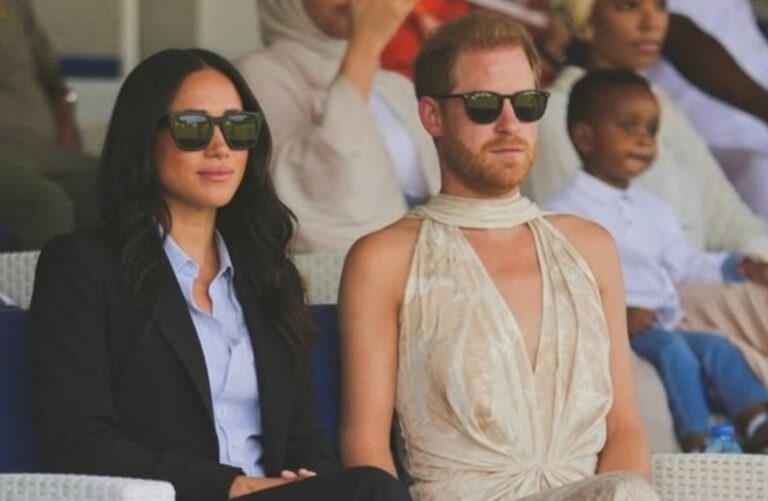
So tired of Harry always bringing Diana in his problems. She must be turning in her grave!. He was too young to remember her as well as William who never disrespects her memory like Harry. Using the Spencer name is another insult. Meghan is a woman of a suspect reputation, which might cause Diana to rise from her grave,