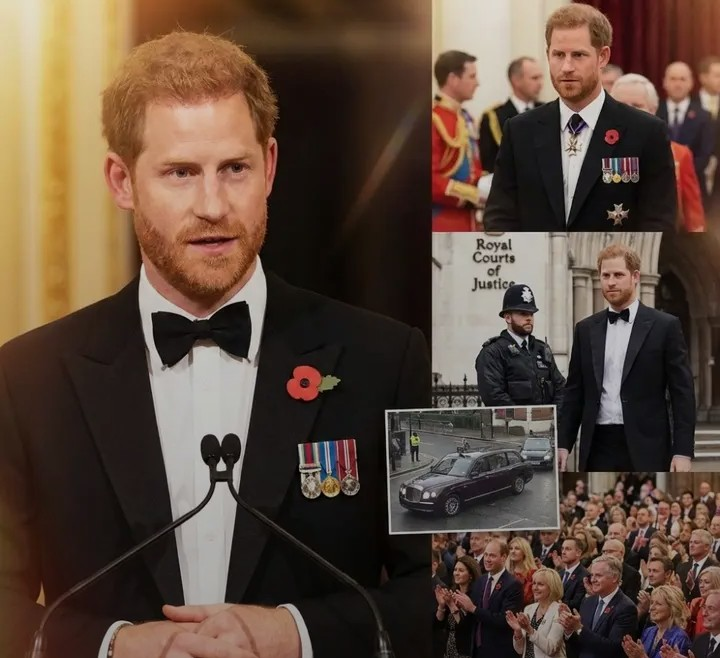
From his home in California, Prince Harry is once again at the center of an emotional and deeply personal storm — one shaped by years of public conflict, private disappointment, and an ongoing battle over his place in the country he still calls home.
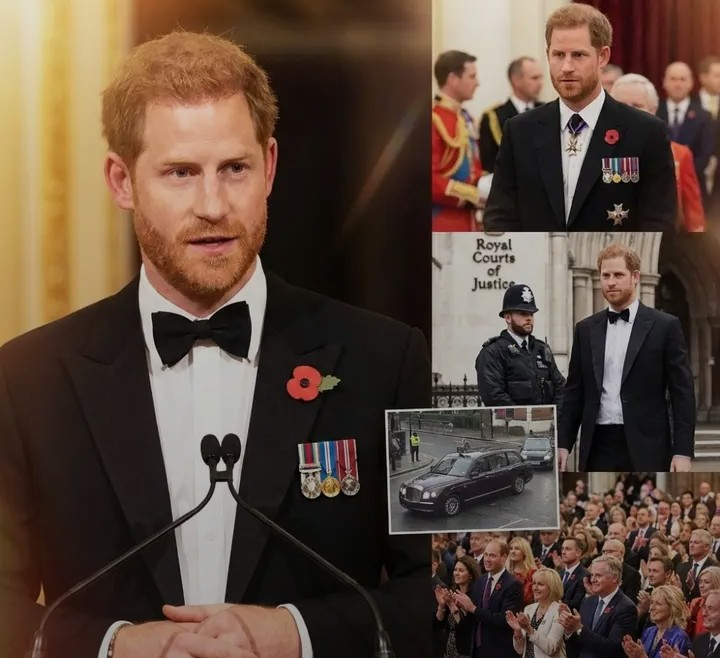
In recent months, discussions surrounding Harry’s security, status, and relationship with the United Kingdom have intensified, fueled by legal disputes and persistent questions about whether he will ever fully return to royal life. At the heart of the issue is his long-running disagreement with the Home Office over his security arrangements when visiting Britain — a conflict that insiders say has taken an enormous emotional toll.
Harry and his legal team have argued that the removal of automatic, state-funded police protection has left him and his family vulnerable. Since stepping down from official royal duties in 2020 and relocating to the United States with Meghan, Duchess of Sussex, his security status changed — a decision made by a government committee rather than the royal household itself.
For Harry, however, the impact has been deeply personal.
He has spoken publicly about feeling unsafe bringing his family back to the UK without adequate protection, describing the situation as one of the central barriers preventing regular visits. Friends of the prince say this reality has been “painful” and “frustrating,” particularly given his continued emotional ties to Britain.
“He has always said the UK is his home,” one person familiar with his thinking shared. “But he doesn’t feel he can safely exist there in the same way anymore.”
The dispute has also fueled speculation about his relationship with his father, King Charles III.
While there has been no official confirmation of personal involvement by the King in government security decisions, the lack of visible intervention has been interpreted by some observers as symbolic of the broader distance between father and son.
The emotional weight of that distance cannot be overstated.
Harry has spoken openly in interviews and in his memoir about feelings of isolation, loss, and betrayal following his departure from royal duties. At the same time, he has also expressed hope for reconciliation, emphasizing that despite everything, he still loves his family.
Yet reconciliation has proven complicated.
The transition from working royal to private citizen fundamentally altered Harry’s position — not just within the institution, but within the structure that once defined his identity.
He no longer represents the monarchy in an official capacity.
He no longer receives the same privileges or protections.
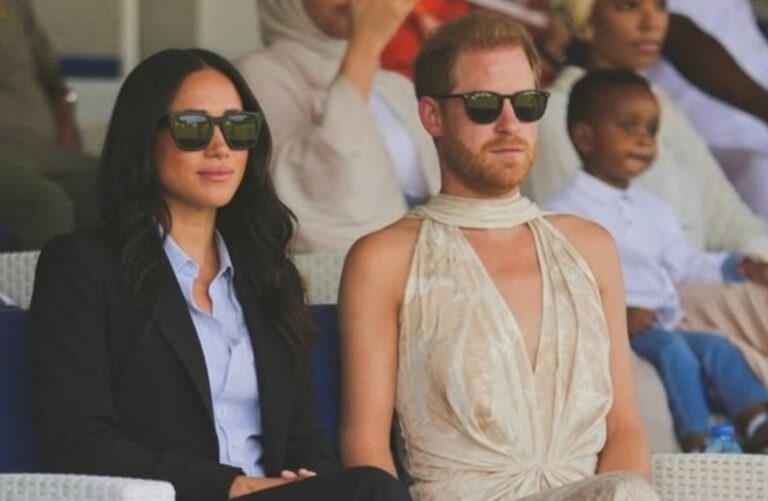
Meghan Markle and Prince Harry Cozy Up on Valentine’s Day in Canada
And perhaps most significantly, he no longer operates within the protective framework that shaped his entire life from birth.
Sources close to the royal household have consistently maintained that these changes were the result of Harry and Meghan’s own decision to step back, not an effort to exclude them.
Still, the emotional consequences remain.
“There’s a difference between choosing a new life and losing parts of your old one,” one royal commentator noted. “Even when it’s voluntary, it can still hurt.”
Despite the tensions, Harry has returned to the UK on several occasions in recent years, primarily for family events and legal proceedings. Each visit has been brief, carefully planned, and accompanied by extensive security considerations.
Those trips, according to observers, reflect a complicated truth: Harry is neither fully inside the royal world nor entirely outside it.
He exists somewhere in between.
Publicly, Buckingham Palace has remained characteristically restrained, declining to comment on security matters or personal family dynamics.
That silence has left room for speculation — and for emotion.
For Harry, the situation represents more than a logistical dispute. It represents a profound shift in his relationship with his homeland.
He has built a new life in California, focusing on family, charitable work, and media projects. Yet his connection to Britain remains an inseparable part of who he is.
Friends say he continues to wrestle with that dual identity.
“He’s proud of the life he’s built,” one source said. “But he’s also aware of what he left behind.”
That awareness carries both freedom and loss.
Freedom to define himself on his own terms.
Loss of the structure and belonging that once surrounded him.
Whether time will heal those wounds remains uncertain.
For Prince Harry, No Special Treatment in Canada – The New York Times
Some believe reconciliation is inevitable.
Others believe the divide has become too wide.
For now, Harry continues forward — no longer defined solely by royal duty, but still shaped by royal history.
His journey is no longer about titles or roles.
It is about identity.
About family.
And about finding a place in the world that feels like home.

I’m sure if he dumps Meghan he will get his security to visit his Royals but all the damage and demands that she asked sinked her ship. Harry must stop playing yo-yo with his wife. He’s either in with her or out.