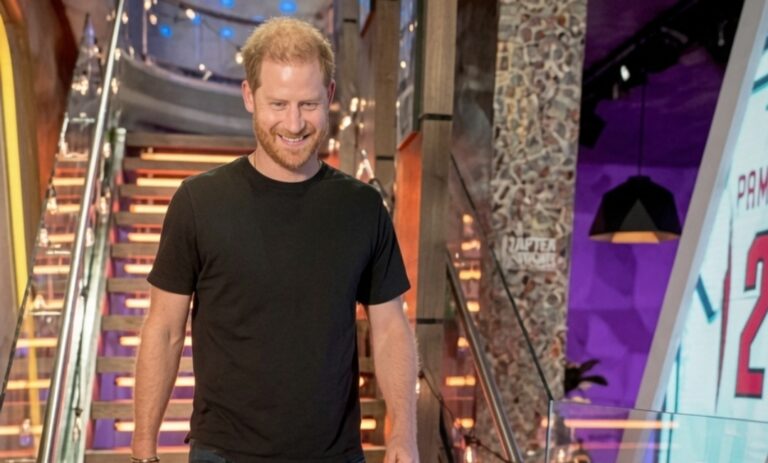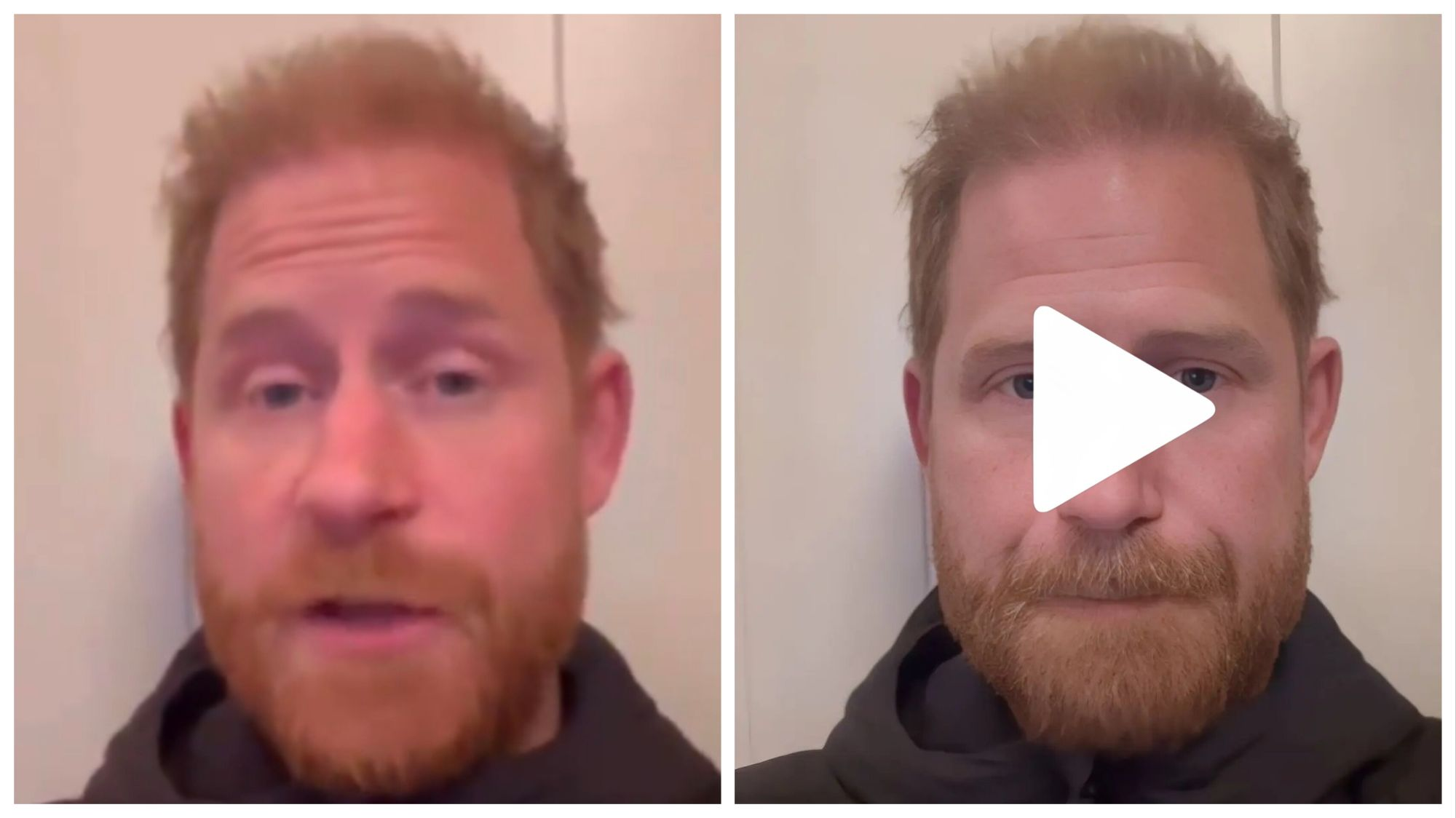
In the sun-drenched hills of Montecito, California, where multi-million-dollar estates hide behind manicured hedges, Prince Harry has earned himself a not-so-flattering new moniker among royal watchers and online sleuths: the one and only “Monk of Montecito.” Far from the serene, meditative image the title might suggest, critics say this nickname points to a man who’s retreated into a haze of substance use, relying on inexpensive street drugs to cope with a mounting pile of personal and professional problems — and they insist his face is the ultimate giveaway.
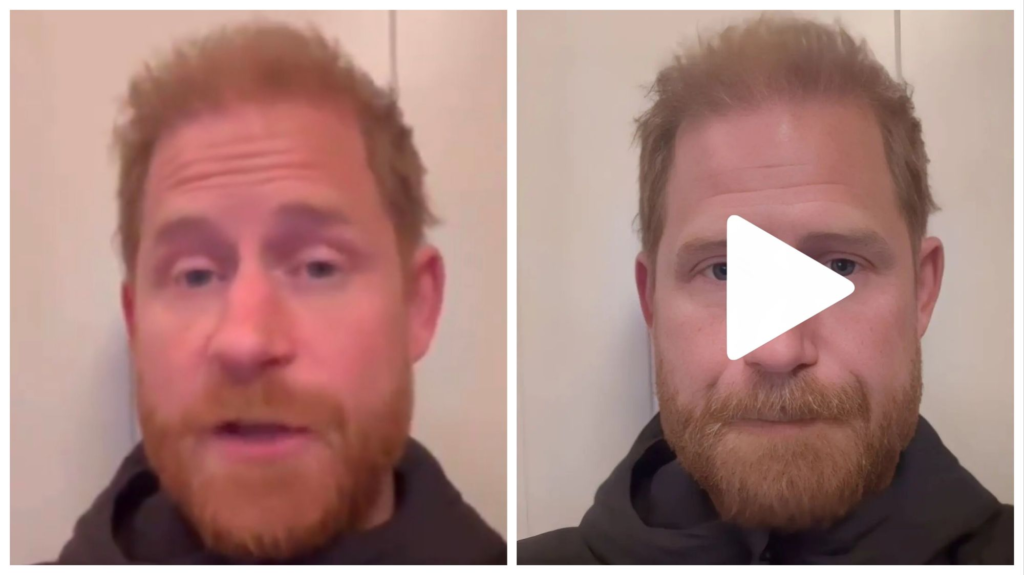
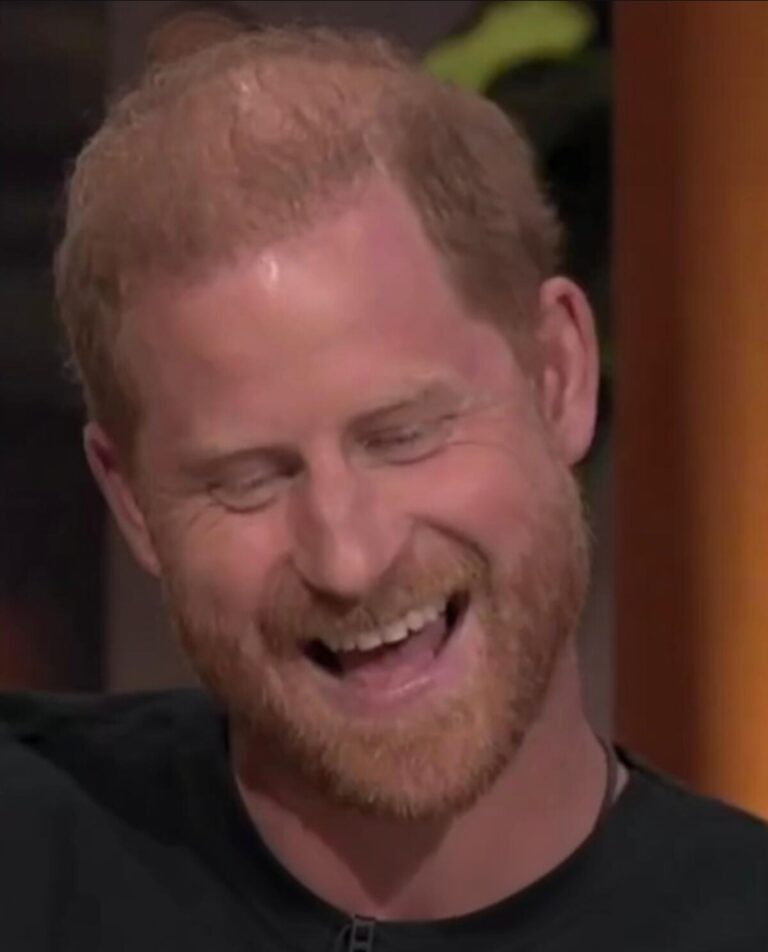
Observers have long scrutinized the Duke of Sussex’s public appearances, noting dramatic shifts in his appearance that they attribute to ongoing struggles with substances. From puffy features and bloodshot eyes to unusual jaw movements and dilated pupils in viral clips, detractors argue these are classic signs of heavy drug use. “His face never lies,” one sharp-tongued commentator declared on social media, echoing a growing chorus that claims Harry’s once-youthful royal glow has been replaced by the telltale marks of a hard-living lifestyle.
The drug allegations aren’t new — Harry himself detailed past recreational use in his blockbuster 2023 memoir *Spare*, admitting to trying cocaine as a teenager (“it wasn’t very fun,” he wrote), smoking marijuana regularly, and experimenting with psychedelic mushrooms. Those confessions sparked a firestorm, including a high-profile U.S. visa battle where a conservative think tank demanded proof he hadn’t lied on immigration forms about his history. By early 2025, redacted documents were unsealed, reigniting debates over whether he received special treatment to stay in America despite those admissions.
But insiders and online detectives now insist the story has evolved far beyond youthful experimentation. They point to recent public moments — including appearances at the 2025 Invictus Games in Vancouver — where Harry’s demeanor raised eyebrows. Some clips circulating on platforms like X show him with what they describe as “dilated pupils,” excessive chewing, and frequent swallowing, behaviors long associated with stimulant use like cocaine. One viral post bluntly captioned a photo: “Harry is the one and only Monk of Montecito,” pairing it with accusations of ongoing “cheap drugs” habits to stretch a reportedly strained budget.
Critics tie this alleged behavior to Harry’s broader life turmoil. After stepping back from royal duties in 2020, the Sussexes have faced a string of setbacks: strained family relationships (including a well-documented rift with Prince William and King Charles), commercial projects that haven’t always hit the mark, security battles, and ongoing legal fights against British tabloids. Harry has spoken openly about mental health struggles, including grief over his mother’s death and the pressures of royal life, but skeptics argue his solutions lean more toward self-medication than therapy.
In a recent court appearance related to his phone-hacking claims, Harry even accused a tabloid publisher of surveillance tactics designed to “drive me to drugs and drinking” — a statement that only fueled speculation about his current state. Detractors pounced: if the media’s pressure was so intense, why not seek cleaner escapes instead of turning back to old habits? Others highlight reports of financial pressures in Montecito, suggesting “cheap drugs” fit a narrative of a fallen prince cutting corners far from palace privileges.
Social media has amplified these claims, with accounts dubbing him a “drug-addled degenerate ex-royal” in posts mocking his public messages or appearances. One widely shared video from early 2026 alleged he looked “high on cocaine again,” zooming in on facial tics as proof. While no concrete evidence of current illegal drug use has surfaced beyond speculation and past admissions, the pattern — combined with his own history — keeps the rumors alive and vicious.
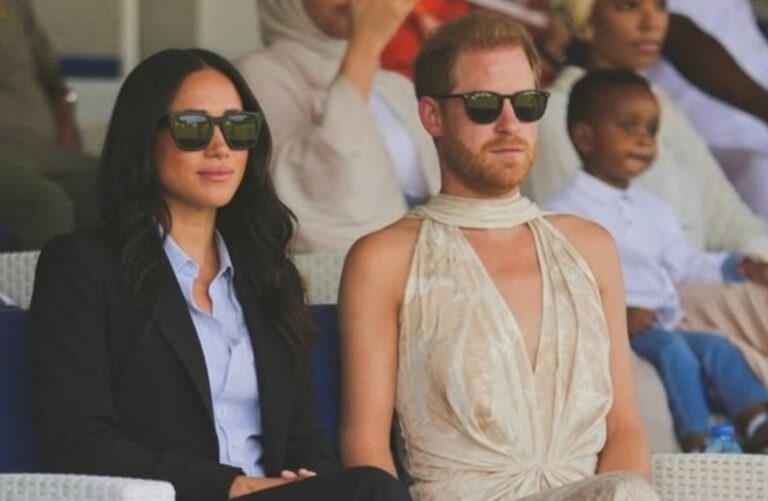
Harry’s defenders counter that these attacks are cruel and baseless, often rooted in anti-Sussex bias or misinformation. They point to his continued advocacy for veterans through Invictus, his family life with Meghan and their children, and his openness about therapy as signs of growth, not decline. Yet for a growing segment of the public, the “Monk of Montecito” label sticks — a sarcastic jab at a man they see as isolated, indulgent, and unable to escape his demons.
As Harry navigates his post-royal existence, the whispers persist: is this a prince in quiet recovery, or one whose face betrays a secret spiral? In Montecito’s gilded bubble, where privacy is fiercely guarded yet constantly dissected, the answer may lie in the mirror — or at least in the unflinching lens of public scrutiny. For now, the one and only “Monk” remains a lightning rod, his every expression fueling the fire of speculation.