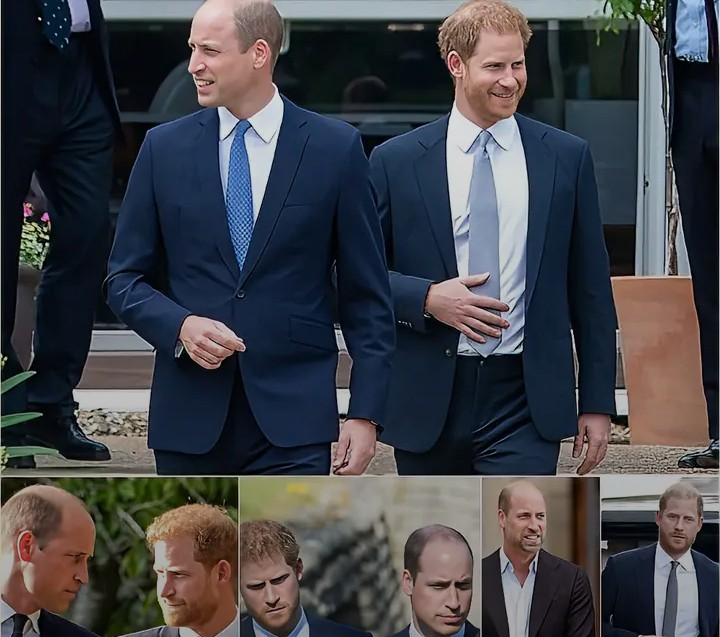
When Prince Harry stepped back onto British soil last week, it was officially for legal reasons. The Duke of Sussex was attending hearings at London’s High Court as part of his ongoing case against Associated Newspapers Limited, publisher of the Daily Mail, over alleged unlawful information gathering. Yet behind the courtroom appearances, royal watchers were focused on something far more personal: would this visit open the door to reconciliation with his family?Princes William, Harry keep their distance during Harry’s visit to UK – ABC News
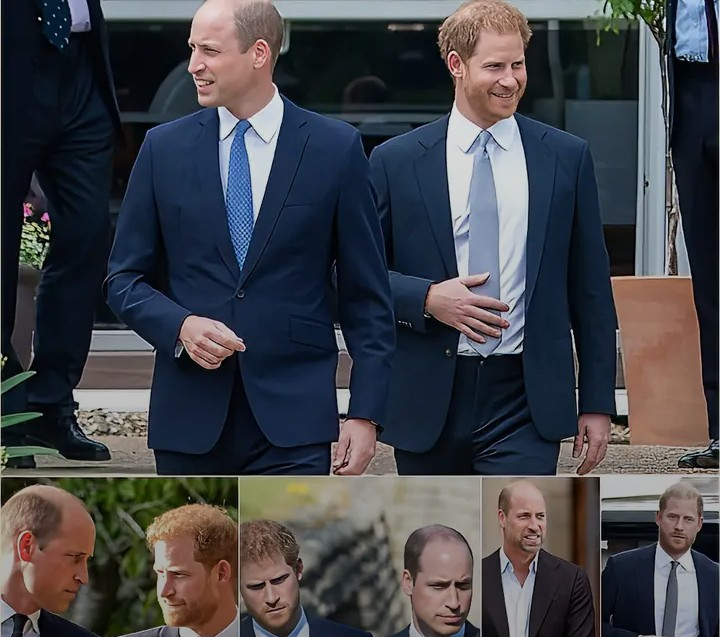
According to multiple commentators, that door now appears firmly shut.
Harry’s latest return to the UK marked a stark contrast from his visit in September 2025, when he met privately with his father, King Charles III, at Clarence House. This time, there were no confirmed meetings. No photographs. No carefully staged gestures of unity. Instead, what stood out most was the absence — particularly that of his brother, Prince William.Princes Harry and William speak for first time since interview | Daily Sabah
While Harry was attending court, William was in Scotland carrying out engagements with Catherine, Princess of Wales. The King was also reportedly in Scotland. To some observers, the overlapping schedules were coincidence. To others, they sent a deliberate and unmistakable message.
Royal commentator Duncan Larcombe suggested that William’s decision to be out of the country during Harry’s presence was unlikely to be accidental. “It feels intentional,” one television analyst echoed. “In royal terms, distance can speak louder than words.” Online reaction mirrored that sentiment, with many readers interpreting the move as a boundary rather than a scheduling conflict.Prince William and Harry’s reconciliation is just for mourning, not for life
The tension between the brothers has been well documented since Harry and Meghan Markle stepped back from royal duties in 2020. The rift deepened following their televised interviews and Harry’s memoir Spare, in which he described private family disputes, including a physical altercation with William. For supporters of the Prince of Wales, those revelations crossed an unforgivable line. “Family disagreements are one thing,” wrote one columnist, “but airing them publicly is another entirely.”Prince William and Prince Harry Are “Unlikely” to Spend “Quality Family Time Together” Over the Holidays, Claims Royal Expert | Vanity Fair
Sources close to royal circles have long suggested that William remains deeply hurt and angered by what he perceives as betrayal. One insider was quoted as saying that, in a “normal family,” such public disclosures would cause lasting damage — but within the monarchy, where discretion is paramount, the impact is magnified exponentially. In this interpretation, William’s recent actions are less about hostility and more about protecting the institution he is destined to lead.There’s A Lack of Trust on Both Sides”: Why William and Harry Are No Closer to a Truce | Vanity Fair
Harry, for his part, has expressed a desire for reconciliation. In a BBC interview last year, he acknowledged that some family members might never forgive him for writing his book, yet he insisted he wanted peace. Those comments fueled speculation that his latest trip might include an attempt at dialogue behind closed doors. However, the apparent lack of engagement suggests that any overtures — if made — did not gain traction.
A royal historian noted that reconciliation requires mutual trust. “It’s not just about wanting to come back,” she explained during a panel discussion. “It’s about convincing others that past wounds won’t be reopened.” That, many believe, is where the challenge lies. Critics argue that ongoing legal battles with British media, combined with previous public statements, make it difficult for senior royals to feel secure.
Some readers see the situation more sympathetically. “He’s still a son and a brother,” one commentator wrote online. “Families fight. They should find a way.” Yet others respond with equal firmness, suggesting that consequences are inevitable. “You can’t criticize the monarchy and then expect seamless reintegration,” another user remarked. The divide in public opinion reflects the broader split that has followed the Sussexes since their departure.
What makes this moment particularly significant is timing. As King Charles continues to shape a streamlined monarchy, stability and loyalty are central themes. William, as heir to the throne, is widely seen as protective of that direction. By maintaining distance, he may be signaling that unity must come on terms that safeguard the Crown’s future rather than personal sentiment.
Whether this truly marks “no way back” remains uncertain. History has shown that royal relationships can thaw unexpectedly. Yet for now, the optics are stark. Harry returned to Britain, fulfilled his legal obligations, and departed without visible signs of familial warmth. William remained elsewhere, focused on duty.
In royal life, symbolism matters. Absence can be as powerful as confrontation. And as speculation swirls, one conclusion seems to resonate among observers: reconciliation, if it comes at all, will require more than a return flight to London.