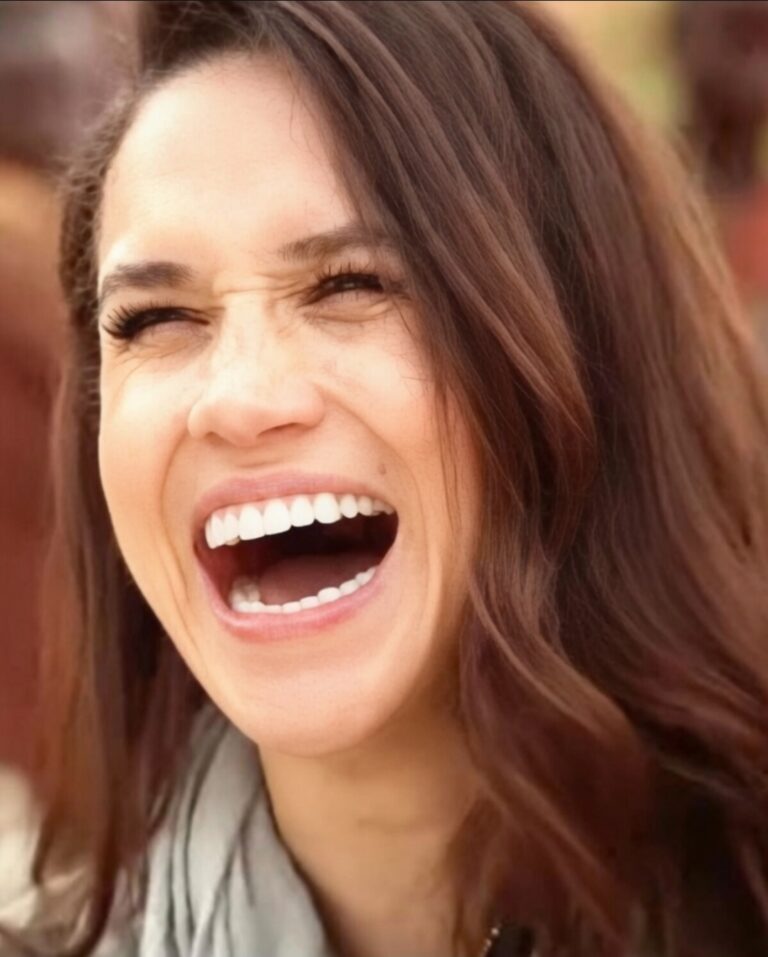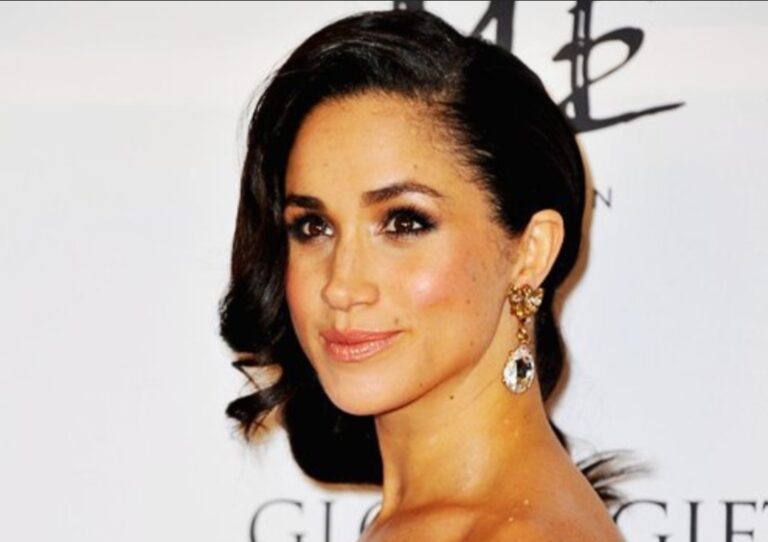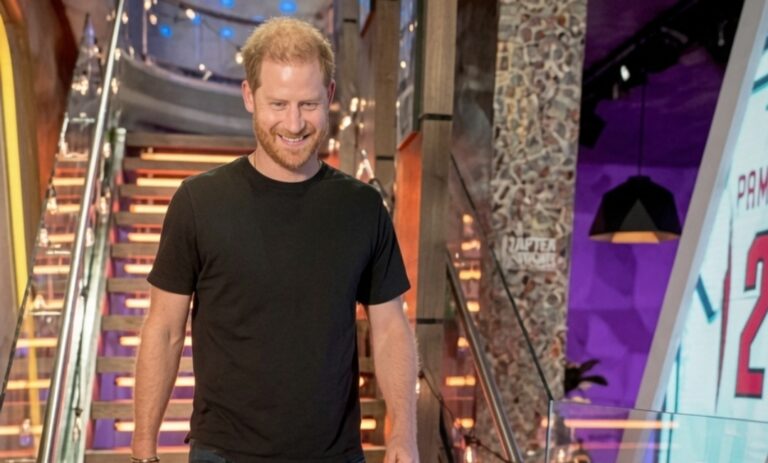
In the wake of their latest headline-grabbing – critics say self-serving – jaunt to Jordan, Prince Harry and Meghan Markle are facing mounting backlash over what many see as a pattern of using the profound pain and trauma of vulnerable people, especially young lives devastated by war, to fuel their personal publicity machine. While the Duke and Duchess of Sussex framed their two-day trip as a compassionate humanitarian effort in partnership with the World Health Organization (WHO), detractors argue it’s nothing more than a calculated photo opportunity that leaves real victims feeling exploited and the couple looking embarrassingly out of touch.
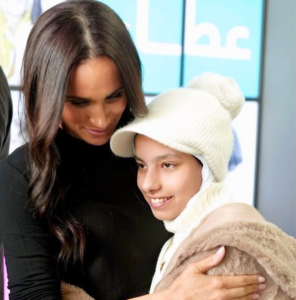
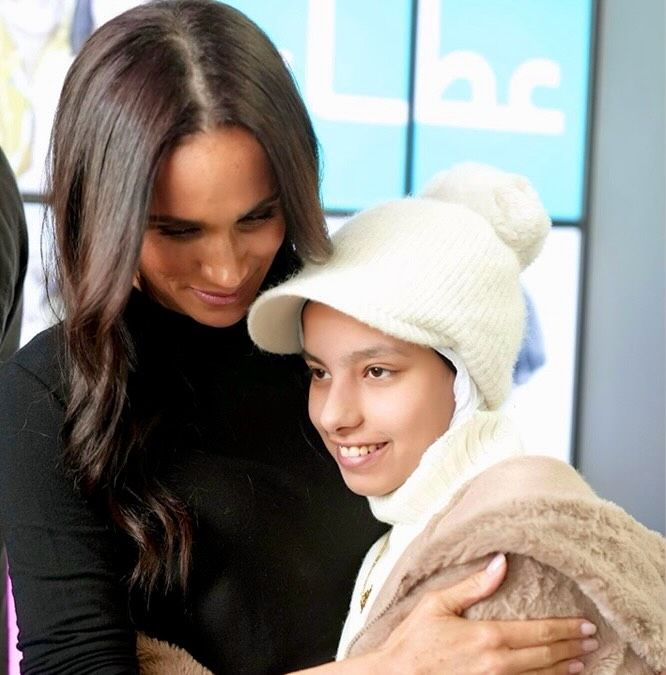
The Jordan visit saw Harry and Meghan visiting the Specialty Hospital in Amman, where they met young medical evacuees from Gaza – children bearing the horrific scars of conflict, including severe burns, amputations, and shattered limbs. One particularly emotional encounter involved 14-year-old Maria, a burn victim who lost multiple family members in an explosion. Meghan was seen crouching bedside, holding the girl’s hand, while Harry appeared visibly moved as doctors revealed the extent of injuries. The couple also toured the Za’atari Refugee Camp, played football with displaced children, and discussed addiction recovery at a rehabilitation center.
Yet, what was presented as genuine empathy quickly drew sharp criticism. Social media erupted with accusations that the presence of cameras during these intimate hospital moments turned tragedy into tabloid fodder. “Why are they there? For PR,” one observer posted bluntly on X. Others questioned who funded the private jets, luxury stays, and entourage, labeling it “Archewell PR in exchange for donations.” One commenter went further: “Meghan’s strong humanitarianism for her father is non-existent,” highlighting the stark contrast between the couple’s globe-trotting displays and their apparent silence on family matters closer to home.
That family matter centers on Meghan’s 81-year-old father, Thomas Markle Sr., who underwent a life-altering below-the-knee amputation of his left leg in December 2025 after a severe blood clot threatened his life. Now in rehabilitation in the Philippines, where he relocated, Thomas is undergoing physical therapy and preparing to be fitted for a prosthetic leg – a long, painful road to regaining mobility. His son, Thomas Markle Jr., has shared updates about the grueling process, emphasizing the need for support as the family prioritizes getting their father “walking again.”
Despite the gravity of the situation – an elderly parent facing permanent disability and months of recovery – Meghan has remained conspicuously absent. No public visits, no visible outreach beyond a brief reported “reach out” after the surgery, and certainly no jet-setting humanitarian mission to her own father’s bedside. Critics point out the irony: while the Sussexes rush to comfort strangers maimed by distant wars, they appear indifferent to the ongoing suffering in their own family circle.
This disconnect fuels the broader charge that Harry and Meghan’s “rogue royal” visits – independent trips mimicking official royal tours but without the constraints or accountability – are more about maintaining relevance than effecting change. Detractors call them “quasi-royal” excursions designed for maximum media impact, complete with polished images of compassion that conveniently ignore personal responsibilities. The Jordan trip, in particular, has been branded tone-deaf amid ongoing royal family tensions and global crises, with some accusing the couple of parachuting in for “pap shots” that exploit vulnerable children already enduring unimaginable pain.
“We feel badly for so many young lives maimed,” one royal watcher summed up the sentiment. “These people have enough pain without a visit from this pair.” The photos of Meghan comforting burn victims or Harry speaking earnestly about emotional trauma may look heartfelt in press releases, but to many, they ring hollow when juxtaposed against the couple’s estrangement from Meghan’s father during his own medical battle.
Harry has long spoken passionately about mental health and the scars of conflict, drawing from his military service and his mother’s legacy. Supporters argue the Archewell Foundation’s donations – including significant support for medical evacuations from Gaza – represent real impact. Yet the chorus of criticism grows louder: if humanitarianism is truly the priority, why not start with reconciliation and support at home? Why jet to refugee camps while an aging parent navigates prosthetic fittings and rehab alone?
As the Sussexes continue these high-profile, self-funded ventures – often in regions with complex geopolitics and no official royal backing – the question looms: Are they genuine advocates, or performers using others’ suffering to burnish their brand? The Jordan episode, with its emotional hospital bedside scenes and viral clips, has only amplified the debate.
Perhaps it’s time for Harry and Meghan to pause the globe-trotting “royal” tours and turn their attention inward. A quiet visit to “Markle’s” father – offering the same hand-holding compassion shown to strangers – could speak volumes more than any staged photo op. Until then, the accusations of phoniness and exploitation will continue to overshadow their every move, turning what could be meaningful work into just another embarrassment in the ongoing saga of the rogue royals.