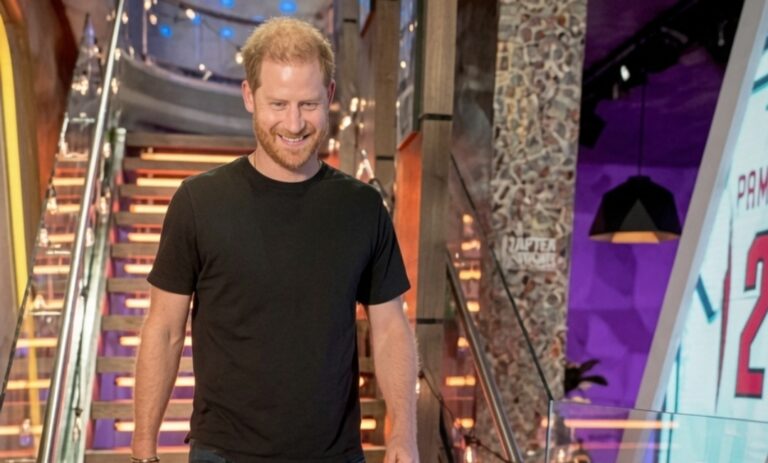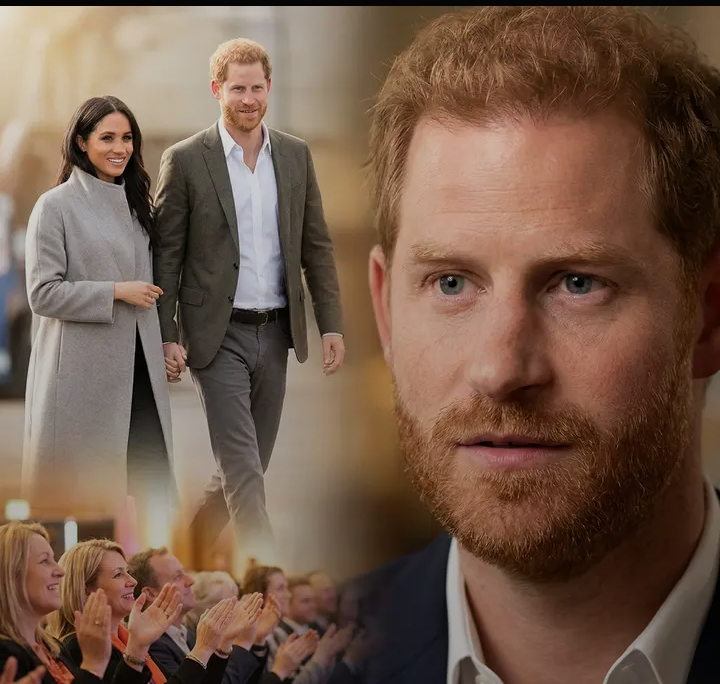
Prince Harry’s latest television appearance has ignited fresh debate about whether the Duke and Duchess of Sussex are facing a deepening media crisis. What was meant to be a carefully managed interview with Channel 4 instead left critics questioning Harry’s composure, preparation, and overall media strategy. Viewers who tuned in expecting clarity and confidence were met with something far more awkward: hesitant answers, strained smiles, and a palpable sense of discomfort in front of relatively straightforward questions.UK’s Foreign Office distances itself from Harry and Meghan’s overseas trip after couple met British ambassador
For many observers, the issue was not hostility from the interviewer, nor an unexpected ambush. In fact, Channel 4 had reportedly agreed to avoid certain sensitive topics as part of the arrangement. Yet despite these safeguards, Prince Harry appeared unsettled. His responses felt mechanical at times, as though he were reciting lines rather than engaging naturally. At other moments, he seemed perplexed, pausing just a fraction too long before delivering carefully worded replies. One media analyst commented that Harry “looked like a man carrying the weight of too many battles at once,” suggesting that years of legal disputes and public tension may finally be taking a visible toll.Meghan Markle and Prince Harry’s Handwritten Messages to Recovering Addicts at Jordan Rehab Center Revealed
The stakes were arguably high. Channel 4, which has faced its own ratings struggles in recent years, likely saw the interview as an opportunity to draw significant attention. For Harry, it was a chance to reframe the narrative following his ongoing legal fights with elements of the British press and his previous controversial sit-down with the BBC. Instead of resetting the tone, the appearance has been described by critics as another stumble in a pattern of strained public engagements.
Complicating matters further was the conspicuous absence of Meghan Markle. She had reportedly been expected to join Harry for the interview but withdrew at the last moment, citing feeling unwell. The timing raised eyebrows. Meghan, who has long been associated with ambitious media ventures and entrepreneurial aspirations, would seemingly benefit from shared appearances that strengthen the Sussex brand. Her absence fueled speculation: did she sense the potential pitfalls of the interview, or was there a deeper strategic calculation at play?
Some royal commentators have suggested that Meghan has developed an instinct for stepping back when situations threaten to spiral. One former palace aide remarked off the record that “Meghan has always been acutely aware of optics,” implying that distancing herself from a risky broadcast could be a deliberate move rather than a coincidence. Whether that interpretation is fair or not, the optics were unmistakable: Harry stood alone under the studio lights, fielding questions without the supportive dynamic that joint appearances can provide.
Another layer of controversy emerged after reports surfaced that Harry’s team had inquired about the possibility of pulling or re-editing the interview once it was recorded. For broadcasters, such requests can be sensitive territory. Networks guard editorial independence fiercely, particularly when exclusivity is involved. If true, the request may have further strained relations between the Sussex camp and media outlets already wary of unpredictable fallout.
Beyond the immediate embarrassment, the broader implications are significant. Harry has repeatedly emphasized his struggles with anxiety and the pressures of public life. Yet critics argue that choosing high-profile interviews while simultaneously criticizing the media creates a contradictory dynamic. “You can’t wage war on the press and then depend on it to polish your image,” one columnist noted, echoing a sentiment increasingly common among observers. The Sussexes’ brand, built on authenticity and social impact, relies heavily on controlled storytelling. When that control slips, even briefly, the contrast becomes glaring.
The Jordan visit tied to the interview was intended to highlight positive initiatives and diplomatic engagement. Instead, the conversation drifted back toward familiar territory: grievances, institutional frustration, and unresolved tensions. For viewers fatigued by years of public disputes between the Sussexes and the royal establishment, the repetition felt wearying. A longtime royal watcher summarized the mood succinctly: “People were ready to hear something new. Instead, they saw the same script delivered with less conviction.”
There is also the question of long-term strategy. Meghan’s business ambitions, widely discussed in recent months, depend in part on favorable media coverage and consumer goodwill. Alienating major broadcasters or appearing unprepared in exclusive interviews does little to advance that goal. While loyal supporters remain steadfast, the undecided middle ground of public opinion may be shifting toward skepticism.
In the end, the Channel 4 episode may not define the Sussexes’ future, but it underscores a persistent challenge: navigating media engagement while simultaneously criticizing the very system that amplifies their message. For Harry, the image of uncertainty under bright studio lights has become symbolic of a broader crossroads. Whether this moment serves as a wake-up call or merely another chapter in an ongoing saga remains to be seen, but one thing is certain—the spotlight, once embraced with confidence, now feels far less forgiving.