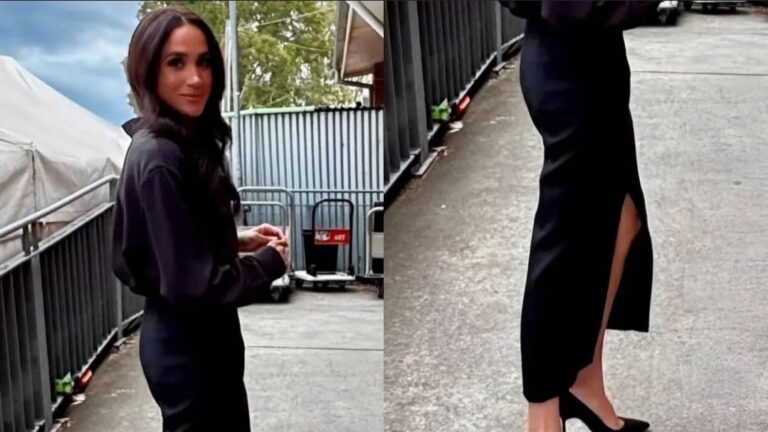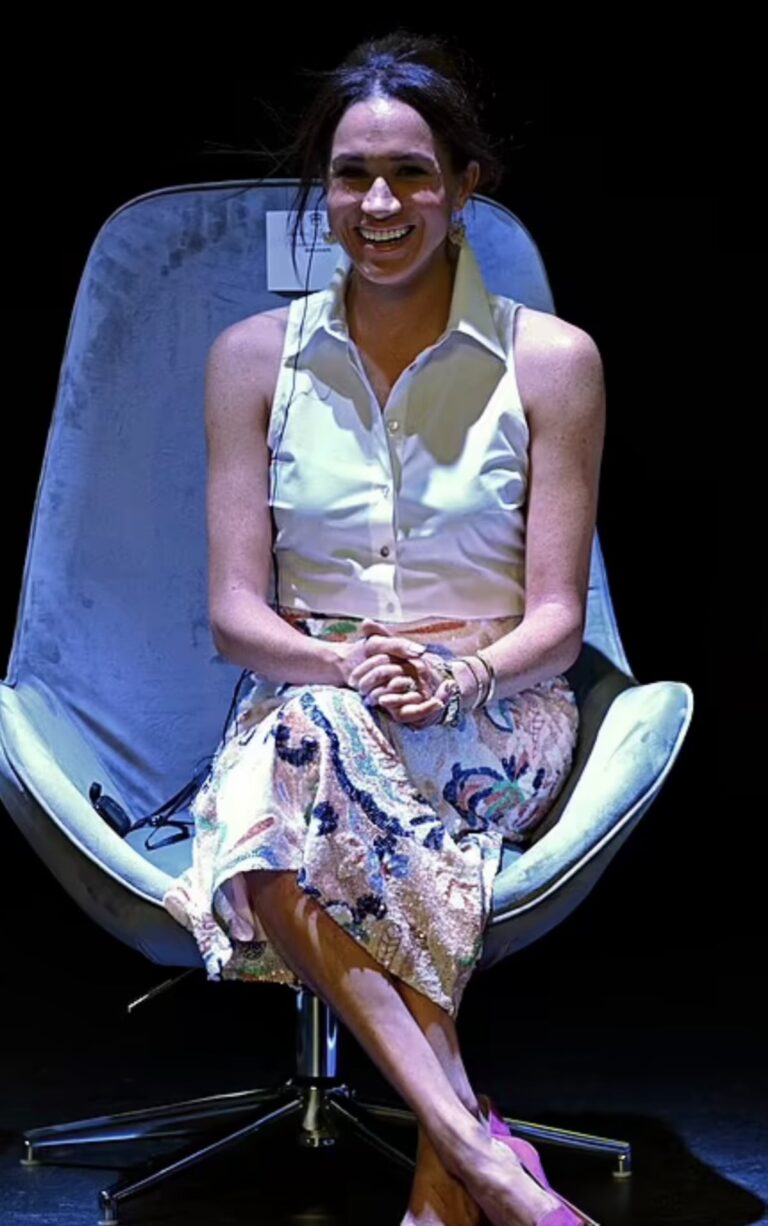
In the glittering world of celebrity philanthropy, few names evoke as much controversy as Meghan Markle, the Duchess of Sussex. Portrayed by her supporters as a beacon of compassion and advocacy, Markle has long touted her humanitarian efforts, from her work with women’s rights to mental health initiatives. But beneath the polished Instagram posts and carefully curated public appearances lies a trail of eyebrow-raising demands that suggest her heart might not be as invested in helping others as it is in maintaining a life of luxury. Critics argue that if someone truly cared about charitable causes, they wouldn’t saddle those very organizations with exorbitant bills for first-class flights, high-end hotels, personal stylists, photographers, and wardrobe extravaganzas—all at the expense of the people they’re supposedly there to aid. Recent revelations and resurfaced accounts paint a picture of a woman who views philanthropy as a backdrop for personal gain, rather than a genuine calling.
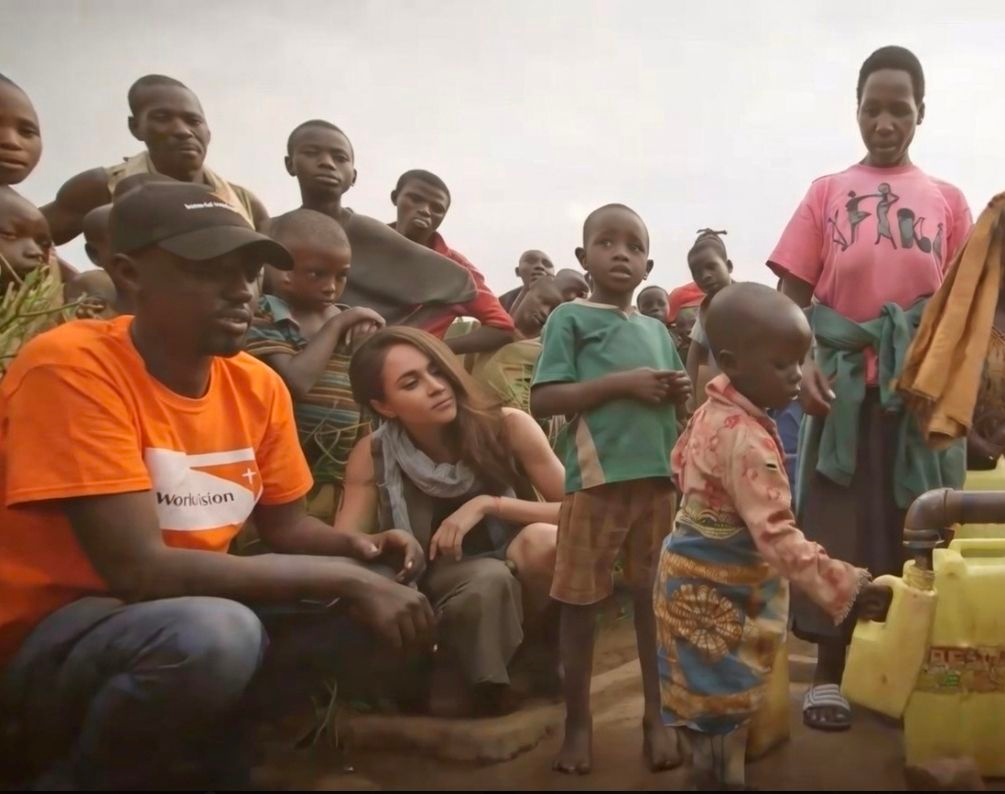
Let’s dive deep into the evidence that has royal watchers and charity advocates alike questioning Markle’s motives. It all starts with a infamous 2016 “humanitarian” trip to Rwanda, organized by World Vision Canada, where Markle’s alleged list of demands turned what should have been a selfless mission into a high-maintenance spectacle.
### The Rwanda Fiasco: A Charity Trip Turned Fashion Shoot?
Back in January 2016, before her royal romance with Prince Harry catapulted her to global fame, Meghan Markle was invited by World Vision Canada to join a mission in Rwanda focused on building clean water wells for impoverished communities. On the surface, it sounded noble: an actress using her platform to highlight the plight of Rwandan children lacking access to safe drinking water. But according to explosive claims detailed in royal author Tom Bower’s biography “Revenge: Meghan, Harry and the War Between the Windsors,” Markle’s participation came with a jaw-dropping set of conditions that strained the charity’s resources.
Reports claim Markle insisted on flying first-class from Toronto to Kigali, Rwanda—a luxury that alone could have funded water access for numerous families. But that was just the beginning. She reportedly demanded to be accompanied by Canadian fashion photographer Gabor Jurina and American hair and makeup stylist Michael Goyette, turning the trip into what critics called a “backdrop for a fashion shoot.” Multiple suitcases filled with outfits were allegedly hauled along, allowing for outfit changes that prioritized glamour over grit. These extravagances, all purportedly footed by the charity, led to the original film producer, Brenda Surminski, backing out of the project due to the escalating costs and demands.
Upon her return, Markle hosted a World Vision event in Toronto where photos from the trip—captured by her handpicked photographer—were auctioned off, raising about $18,000. While that’s a commendable sum, detractors point out that the money spent on her first-class travel, entourage, and styling could have been redirected to the cause itself. “The money spent on the first-class travel, the photographer, and the makeup artist was money diverted from the actual cause: helping Rwandan children,” one analysis starkly noted. Imagine how many more wells could have been built if those funds hadn’t been siphoned off for personal perks.
This wasn’t an isolated incident. Sources close to the event described Markle’s ambitions as “so obvious,” suggesting the trip was more about boosting her image as a humanitarian than effecting real change. And while World Vision has faced its own accusations of racism in recent years, the focus here remains on how Markle’s alleged requirements exemplified a pattern of prioritizing luxury over altruism.
### A Pattern of Lavish Expectations: From Private Jets to Designer Wardrobes
Fast-forward to Markle’s post-royal life, and the controversies haven’t abated. In 2025, reports surfaced about her appearance at a Paris fashion event, where experts estimated costs—including private jet travel (around $200,000 round-trip), luxury hotel stays at places like the Hotel Plaza Athénée (starting at $2,500 per night), and fees for makeup artist Daniel Martin (day rates from $2,000)—could have totaled a quarter-million dollars, potentially bankrolled by brands like Balenciaga. While not directly tied to a charity, this extravagance contrasts sharply with her public persona as a down-to-earth advocate.
Even at explicitly charitable events, Markle’s choices raise questions. At a 2025 charity concert hosted by Kevin Costner, she arrived decked out in jewelry worth over $196,000, including Princess Diana’s Cartier Tank Française watch ($24,000), a Jennifer Meyer tennis bracelet ($5,000), a Cartier Love bracelet ($7,000), and her diamond engagement ring ($160,000). Experts called it “out-of-touch,” arguing it alienated fans and clashed with her desire to appear relatable. “Meghan Markle’s luxurious look at a recent charity event is at odds with her desire to be seen as down-to-earth,” one stylist remarked.
Then there’s the Invictus Games, Prince Harry’s flagship charity for wounded veterans. Reports from 2026 claim Markle demanded extreme accommodations for the 2027 event in the UK, including shutting down four entire hotel floors, bulletproof glass, 24/7 luxury car fleets, police escorts, and even a “no eye contact” rule for staff. Such “diva” requests, if true, underscore a focus on personal comfort over the veterans’ spotlight. One X post bluntly stated, “She can’t even let the veterans or her husbands charity to take centre stage,” highlighting how Markle allegedly turns events into her personal stage.
### The Archewell Foundation: Philanthropy or PR Machine?
Markle and Harry’s Archewell Foundation, launched in 2021, has also come under fire. In 2024, it faced scrutiny for its status and donations, with reports revealing it spent more on expenses than on grants in some years. Critics accuse the couple of using the foundation for self-promotion, with political ties adding fuel to claims of bias. One observer noted, “H&M pimp themselves out to charities in exchange for brownie points, photo ops and the odd award—whilst latest Archewell accounts show they paid out more in expenses than to good causes.”
This isn’t philanthropy; it’s “philanthropy lite,” where the appearance of giving matters more than the act. True humanitarians like Bill Gates or Malala Yousafzai pour resources into causes without demanding red-carpet treatment. Markle, by contrast, seems to view charity as a vehicle for enhancing her brand—complete with outfit changes and first-class perks.
### Voices from the Public: Outrage on Social Media
The sentiment echoes loudly on platforms like X (formerly Twitter). Users have lambasted Markle, with one post declaring, “It’s painfully obvious Meghan Markle hates doing anything CHARITABLE or PHILANTHROPIC.” Another quipped, “Meghan doesn’t want to be a humanitarian… She wants attention!!!” Even Reddit threads dissect her Rwanda trip, with comments like, “The fact that she demanded the charity use its funds… to pay for a first-class plane ticket.”
### The Bigger Picture: Is Philanthropy Just a Prop?
Defenders might argue these are tabloid exaggerations, but the pattern is hard to ignore. From Rwanda’s suitcases to Paris’s private jets, Markle’s involvement in causes often comes with a hefty price tag for others. If her heart were truly in helping, wouldn’t she foot the bill herself or travel economy to maximize impact? Instead, these demands suggest a disdain for the grunt work of charity, favoring the glamour that comes with it.
As the Duchess continues her “philanthropic” journey, one thing is clear: the facade is cracking. For every photo op with smiling children, there’s a backstory of luxury that leaves causes shortchanged. It’s time to ask: Is Meghan Markle a true giver, or just a taker in humanitarian clothing? The evidence speaks for itself.