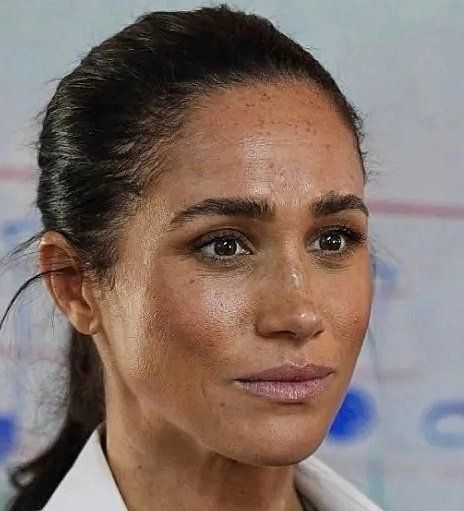
In a move that has left critics fuming and charity advocates shaking their heads, Prince Harry and Meghan Markle recently jetted off to Jordan for what they billed as a heartfelt humanitarian mission. The Duke and Duchess of Sussex spent two days touring refugee camps, meeting injured children from Gaza, and shining a spotlight on global health efforts— all while allegedly indulging in opulent accommodations that scream anything but sacrifice. Reports reveal the couple stayed in the lavish Royal Suite at the St. Regis hotel in Amman, clocking in at a staggering £3,000 per night (with some estimates pushing higher when factoring in extras). For a two-night stay during their February 2026 visit, that’s easily over £6,000 flushed away on luxury—money that could have provided life-changing aid to refugees fleeing war and devastation.
Picture this: While Harry and Meghan enjoyed a 363-square-meter suite boasting three bathrooms, a full kitchen, a living area, a 24-hour butler, and panoramic city views from the 15th floor, families in Jordan’s Za’atari Refugee Camp—the world’s largest for displaced Syrians—continue to live in cramped, semi-permanent structures with limited access to basic necessities. Jordan hosts millions of refugees, including those from Syria and Palestinians affected by the Gaza conflict. The contrast is stark, and for many observers, it’s downright infuriating.
### The Lavish Stay That Raised Red Flags
The St. Regis Royal Suite isn’t just any hotel room—it’s the exact same ultra-exclusive accommodation previously favored by Prince William and Kate Middleton during their own visits to Jordan. Sources confirm Harry and Meghan opted for this five-star extravagance during their whirlwind trip, invited by World Health Organization Director-General Tedros Adhanom Ghebreyesus to highlight refugee support and mental health initiatives. While the couple reportedly flew commercially and covered some expenses themselves, the choice of such high-end lodging has sparked widespread backlash.
Critics point out that £3,000+ per night (and potentially more for a couple requiring additional security or services) represents a fortune in a region where humanitarian aid is stretched thin. According to aid organizations, the average cost to provide emergency shelter, food, and medical care for one refugee family can be a fraction of that nightly rate. Multiply the hotel bill across two nights, and you’re looking at funds that could have fed dozens of families, supplied medical supplies to injured children, or supported mental health programs for trauma survivors—precisely the causes the Sussexes claim to champion.
One outspoken commentator captured the sentiment perfectly: Imagine redirecting even a portion of that £6,000+ toward real relief. How many refugees could have received blankets, clean water, or urgent medical care instead of watching their plight serve as a backdrop for a celebrity photo-op? The optics are devastating for a couple whose Archewell Foundation has faced scrutiny over its own funding priorities and recent restructuring.
### The Jordan Visit: Noble Cause or PR Stunt?
The trip itself saw Harry and Meghan visiting the Za’atari Refugee Camp, where they met young Syrians and toured facilities run by organizations like Questscope. They also stopped at Amman’s Specialty Hospital to connect with a 14-year-old burn victim evacuated from Gaza named Maria, and participated in discussions on health and rehabilitation. Supporters praised the couple for drawing attention to displaced communities, noting their prior $500,000 donation to WHO programs aiding children from Gaza and Ukraine.
But detractors see a different picture: a “quasi-royal tour” filled with high-profile moments that conveniently generate headlines and social media buzz. The visit came amid questions about Archewell’s scaled-back operations—described by some as “essentially shuttered”—and accusations that the Sussexes prioritize visibility over tangible impact. Why stay in a suite fit for royalty when the mission is to empathize with those in dire need? The decision reeks of entitlement, especially when true philanthropists often choose modest lodgings to align with the communities they serve.
Social media erupted with similar outrage. Posts highlighted the hypocrisy of preaching compassion while living lavishly, with one user noting the “disaster tourist” vibe of jetting in for a quick tour before returning to California comforts. Others questioned whether the trip was truly about refugees or about maintaining relevance in a post-royal world.
### A Pattern of Privilege Over Purpose?
This isn’t the first time Harry and Meghan’s charitable endeavors have drawn fire for lavish elements. From past demands during appearances to the ongoing debate over their foundation’s spending, critics argue the couple’s version of philanthropy often seems more about personal branding than selfless giving. In Jordan, the £6,000+ hotel tab becomes a glaring symbol: While refugees endure unimaginable hardship, the Sussexes apparently couldn’t forgo five-star perks for even 48 hours.
Compare this to figures like Princess Diana, whose visits to similar camps and hospitals were marked by genuine immersion—often without entourages or luxury buffers. Harry’s mother set a high bar for royal humanitarianism, one many feel her son and daughter-in-law fall short of upholding.
As the dust settles on this latest Middle East jaunt, the question lingers: If Harry and Meghan’s hearts were truly in the cause, wouldn’t they have chosen humility over extravagance? The £6,000+ wasted on one suite could have made a real difference for refugees who have lost everything. Instead, it became fuel for accusations of tone-deaf privilege.
In an era where every pound counts in global aid efforts, this “humanitarian” trip serves as a stark reminder: True philanthropy isn’t measured by photo ops or luxury stays—it’s measured by sacrifice. For the Sussexes, that lesson appears to remain unlearned. The refugees of Jordan—and the world—deserve better than being props in someone else’s spotlight.