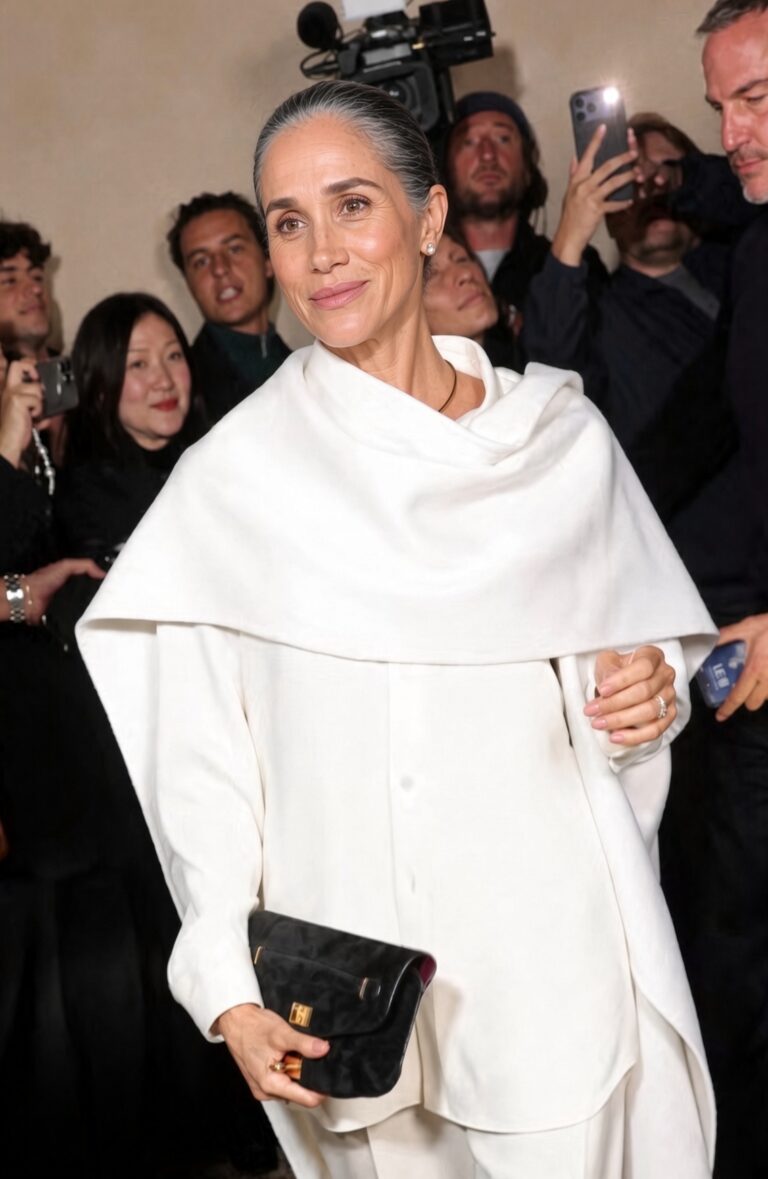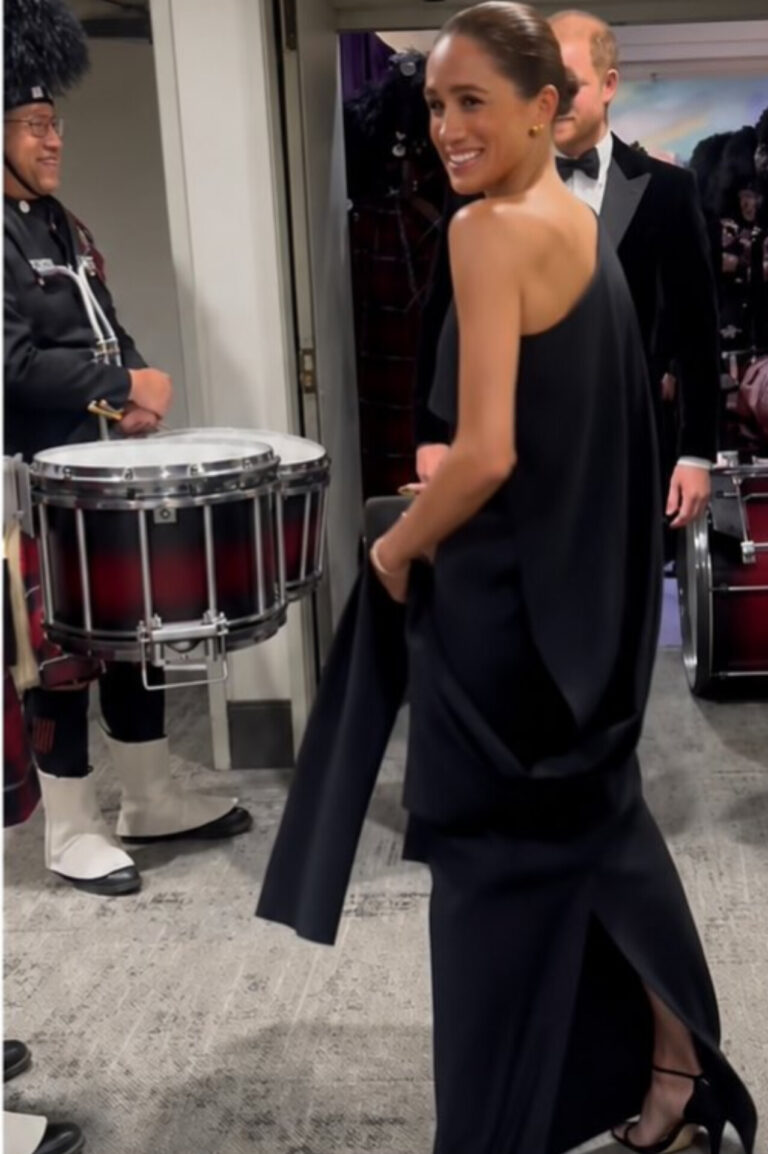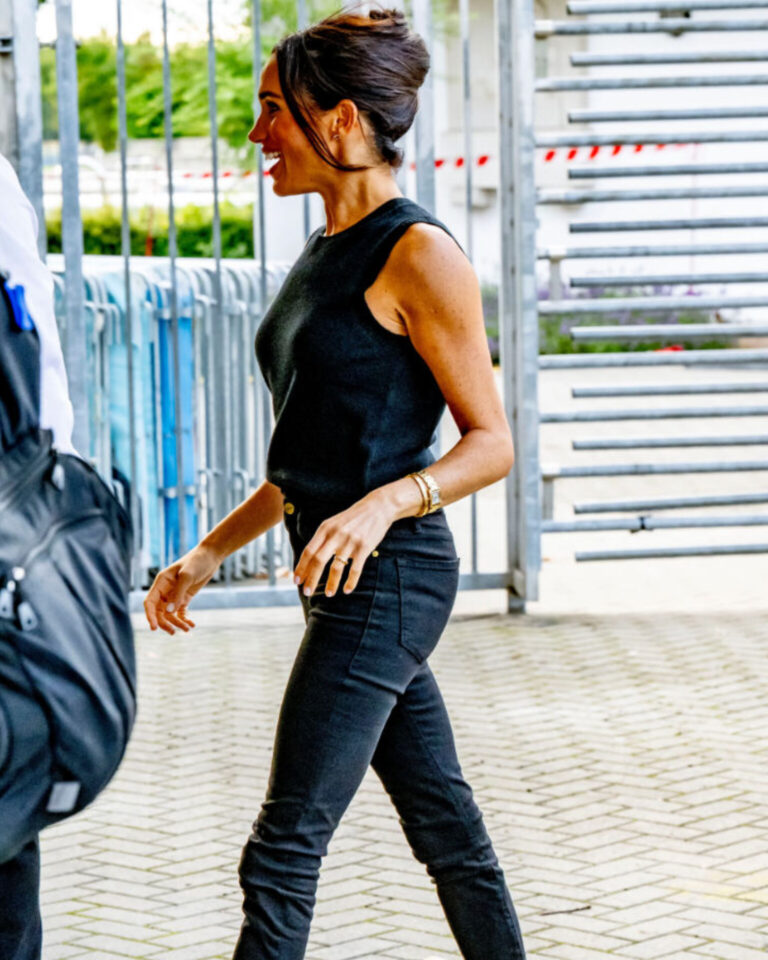
Few public figures have experienced a fashion journey as closely watched as Meghan Markle. From her early days as an actress to her transformation into the Duchess of Sussex, and now as a California-based public figure building her own identity, her style evolution has been analyzed, praised, criticized, and sometimes politicized in ways rarely seen even among celebrities.
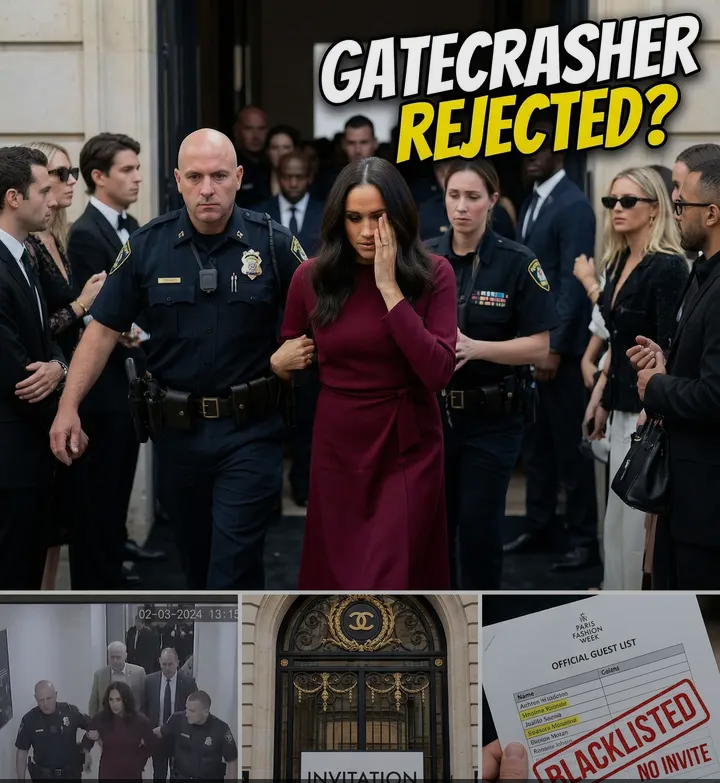
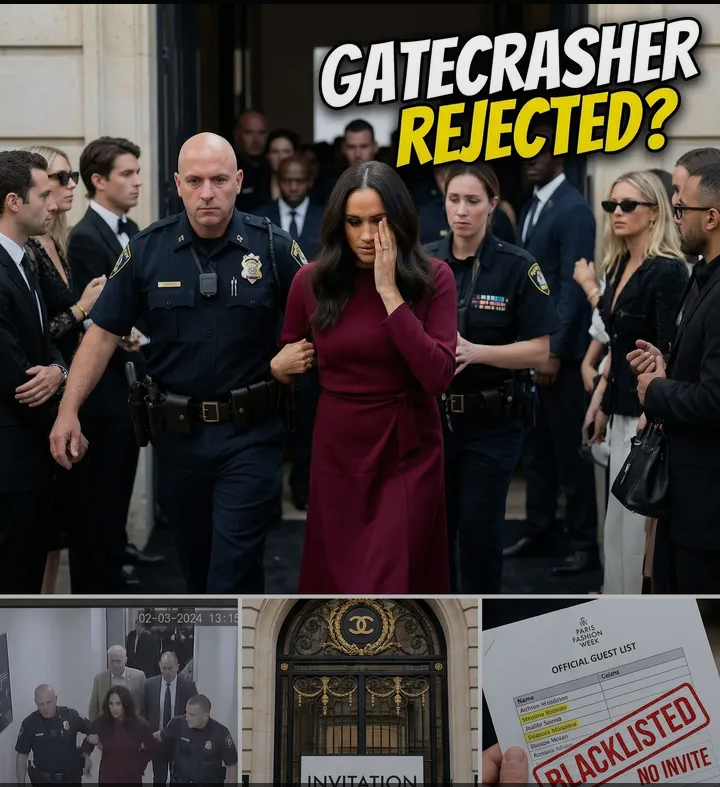
But in recent months, renewed online discussions about her place in elite fashion circles have sparked a familiar question:
Is Meghan Markle still a fashion insider—or has her complicated public image created quiet resistance within the industry she once seemed destined to dominate?
While dramatic rumors have circulated online about tensions between Meghan and fashion power brokers, the reality appears to be far more nuanced, revealing the complex and often unforgiving nature of the global fashion ecosystem.
The Rise of a Modern Royal Style Figure
When Meghan Markle joined the British royal family in 2018, she quickly became one of the most influential fashion figures in the world. Items she wore sold out within hours—a phenomenon often called the Meghan effect.
Designers benefited enormously from the exposure.
Brands such as Givenchy, Stella McCartney, and Aquazzura saw global attention after she appeared in their designs. Her wedding dress, designed by Clare Waight Keller for Givenchy, was widely praised for its minimalist elegance and became one of the defining fashion moments of the decade.
At that time, Meghan represented something the fashion world values highly: relevance combined with global visibility.
But fashion relationships, like royal ones, can change quickly.
Fame Comes With Complications
After Harry and Meghan stepped back from royal duties, their relationship with fashion institutions inevitably shifted.
Royal dressing traditionally operates under different rules than celebrity fashion:
Neutral color palettes
Limited commercial endorsements
Preference for established British designers
Symbolic fashion diplomacy
Once outside that system, Meghan entered a different space—celebrity fashion branding.
That shift can be both liberating and risky.
Without palace guidelines, she gained freedom to express personal style and collaborate independently. But she also lost the institutional prestige that automatically comes with being a working royal.
In fashion, status ecosystems matter.
The Fashion Week Reality Few People See
Much of the public imagines Fashion Week as simply glamorous runway shows filled with celebrities and photographers. Insiders say the reality is closer to a highly controlled ecosystem governed by invitations, relationships, and hierarchy.
Entry into major shows in Paris, Milan, London, and New York typically depends on:
Brand relationships
Editorial influence
Buyer status
Celebrity partnerships
Long-term networking
Even extremely famous individuals cannot simply appear without coordination. Seating charts are sometimes negotiated months in advance, and front-row placement can carry business implications worth millions.
This exclusivity is part of what gives Fashion Week its mystique—but also what makes it politically delicate.
Celebrity Access Isn’t Always Guaranteed
Contrary to popular belief, celebrity status alone does not guarantee access to elite fashion events. Invitations depend heavily on strategic alignment between brands and personalities.
Designers often ask:
Does this celebrity reflect our brand identity?
Will their presence generate positive attention?
Are they controversial?
Will their attendance distract from the collection?
In a reputation-sensitive industry, perception can influence decisions as much as popularity.
This helps explain why even widely known figures sometimes appear less frequently in certain fashion spaces over time.
The Anna Wintour Factor
No discussion of fashion influence is complete without mentioning Anna Wintour, the longtime editor of Vogue and one of the most powerful figures in global fashion.
Wintour’s influence extends far beyond magazine pages. Her approval—or lack of it—can shape invitations, brand narratives, and public perception.
However, fashion historians caution against assuming personal feuds where none are confirmed. The fashion world is driven more by strategic positioning than personal vendettas, even if media narratives sometimes suggest otherwise.
Reputation in the Image Economy
Fashion is fundamentally an image business. Designers sell not just clothing but aspiration, identity, and cultural positioning.
As a result, public narratives around any celebrity can influence industry relationships.
Since 2020, Meghan and Harry’s media projects—including interviews, documentaries, and Harry’s memoir—have kept them highly visible but also controversial in some circles.
This polarization can make brands cautious.
Companies often avoid associations that might divide their customer base. At the same time, other brands actively seek bold, conversation-generating figures.
In that sense, controversy can both close and open doors.
Supporters Versus Critics
Public reaction to Meghan has rarely been neutral.
Her supporters argue she has been treated unfairly by both media and institutions. They see her as a modernizing figure who challenged outdated expectations and paid a price for doing so.
Critics argue she has carefully cultivated publicity while simultaneously criticizing the systems that provided her global platform.
This divide mirrors broader cultural debates about celebrity activism, privilege, and media narratives.
Fashion, which often reflects cultural tensions, naturally becomes another arena where these debates play out.
Reinvention Is Always Possible
If fashion history proves anything, it is that reputations can change quickly.
Designers and celebrities frequently move from outsider to insider status depending on cultural shifts. Figures once considered controversial have later become celebrated trendsetters.
Fashion thrives on reinvention.
If Meghan chooses to pursue a deeper fashion presence again—whether through partnerships, philanthropy, or sustainable fashion initiatives—industry observers say opportunities would likely still exist.
Fashion ultimately rewards visibility and storytelling, both of which she possesses in abundance.
The California Style Chapter
Since moving to California, Meghan’s style has evolved toward what fashion commentators describe as “quiet luxury”—neutral tones, tailored silhouettes, and understated elegance.
This aesthetic aligns with broader trends emphasizing:
Sustainability
Timeless design
Minimalist branding
Quality over flash
Some analysts believe this positioning could eventually align her with brands focused on ethical fashion and social impact rather than traditional runway culture.
In other words, her fashion future may not depend on Fashion Week at all.
Is This the End—Or Just Another Chapter?
Despite recurring speculation, there is little concrete evidence that Meghan Markle has been formally excluded from the fashion world. Like many celebrity narratives, the story appears driven more by perception battles than official declarations.
What remains clear is that she continues to command attention—something the fashion industry ultimately values.
Whether she returns to front-row shows, builds her own fashion ventures, or continues shaping her public image through carefully chosen appearances, one thing remains certain:
Her story in fashion is probably not finished.
The Bigger Truth About Fashion Power
Perhaps the real story is not about one individual at all.
It is about how modern fashion power works.
An industry once dominated by editors and designers now shares influence with:
Social media audiences
Streaming platforms
Celebrity entrepreneurs
Digital creators
The definition of a fashion insider is changing.
Traditional gatekeepers still exist, but they no longer control the narrative alone.
The Spotlight Never Really Fades
If Meghan Markle’s public life has demonstrated anything, it is that visibility rarely disappears—it simply transforms.
The royal chapter made her famous.
The departure made her controversial.
The next chapter, whatever form it takes, will likely keep her exactly where she has remained for years:
At the intersection of fame, scrutiny, and reinvention.
And in both royalty and fashion, one rule always holds true:
Today’s controversy can become tomorrow’s comeback story.