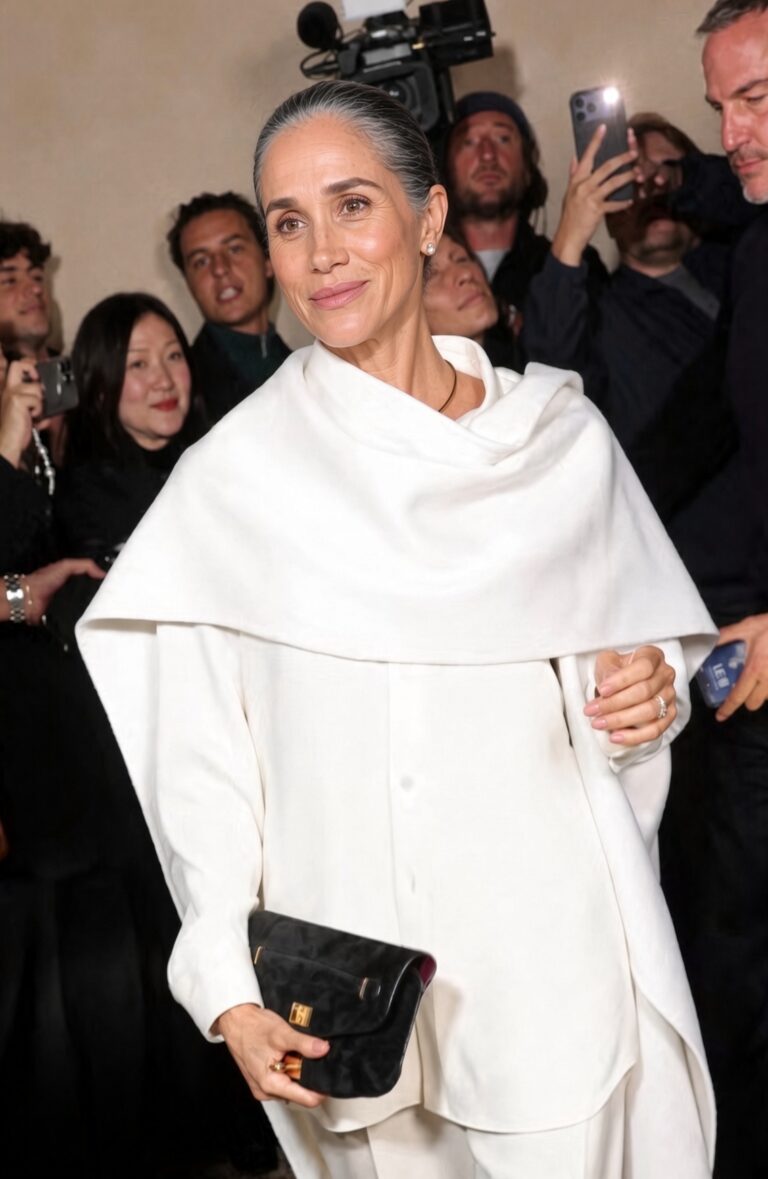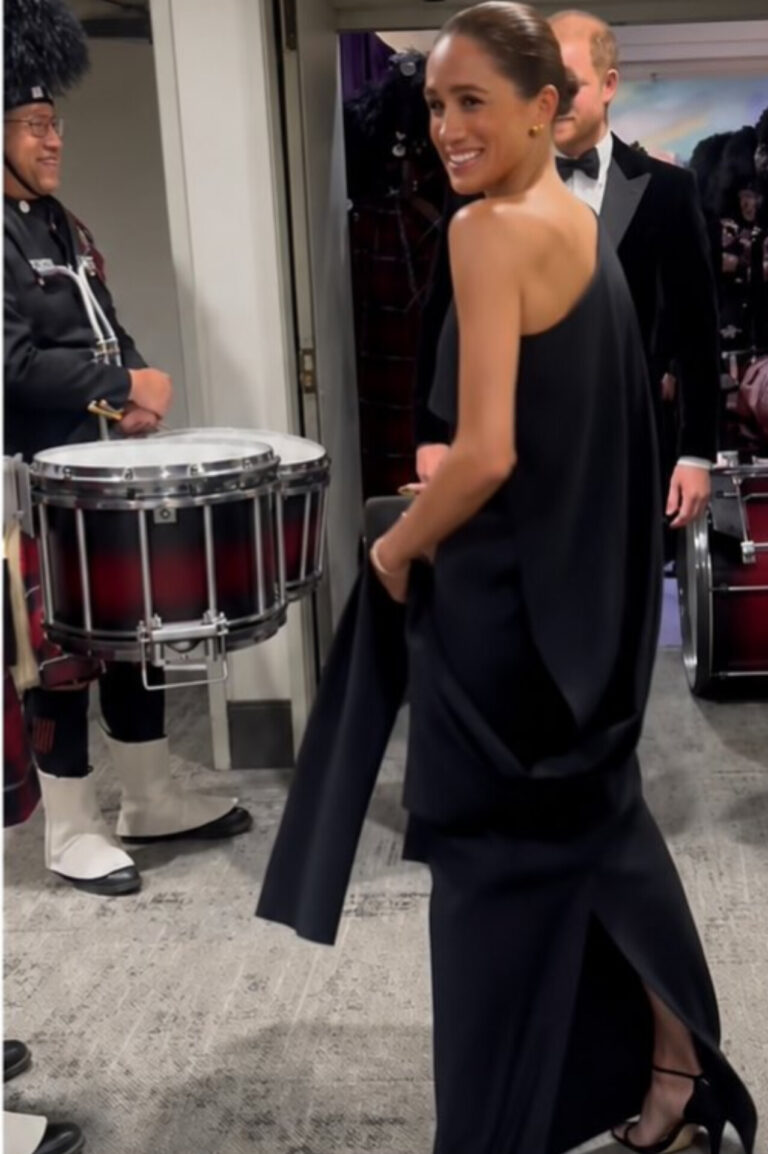
In a scene that has left royal watchers and social media skeptics shaking their heads in disbelief, Meghan Markle took the stage this week to warn the world about the dangers of social media exploiting children — all while her own family continues to monetize their kids’ images through the very platforms she claims are so harmful.
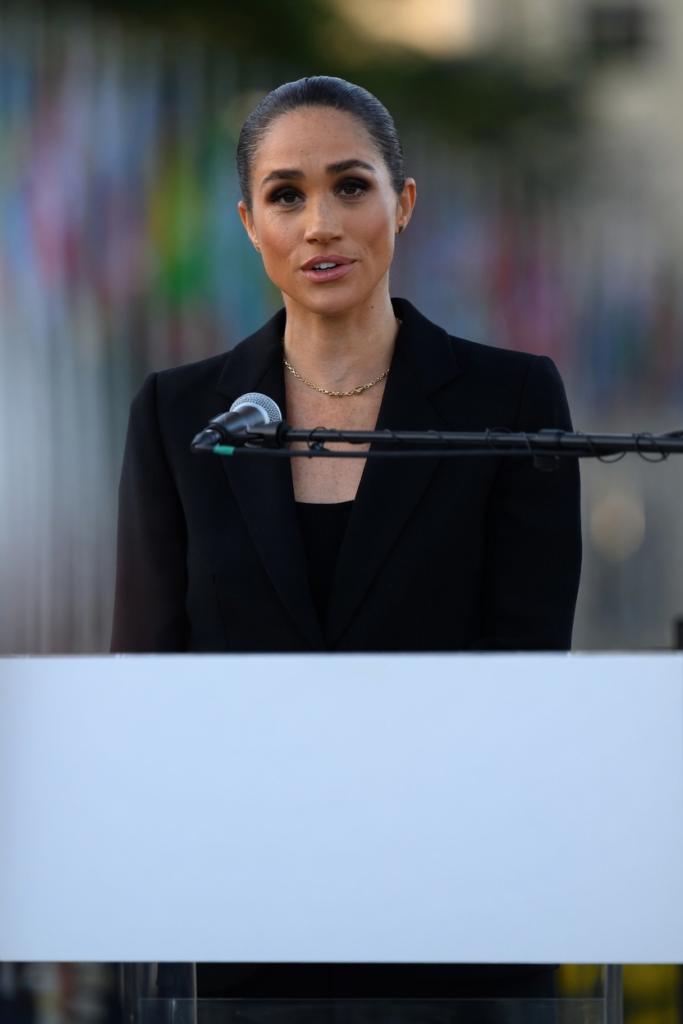
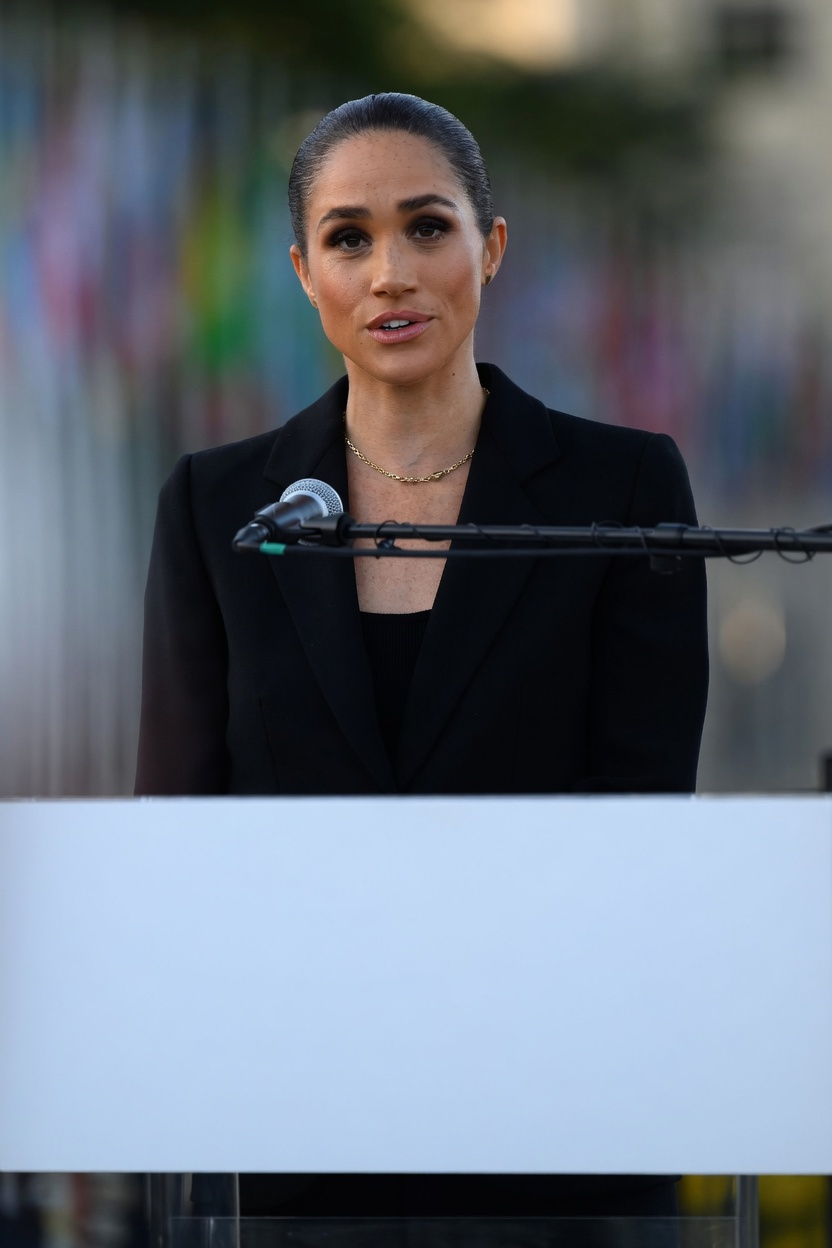
The Duchess of Sussex, dressed in a sleek black blazer and positioned behind a podium emblazoned with the bold message “NO CHILD LOST TO SOCIAL MEDIA,” delivered remarks at an event co-hosted by the World Health Organization and Archewell Philanthropies. The initiative, backed by her and Prince Harry’s foundation, aims to combat the negative impacts of social platforms on young people. Yet critics are calling it the ultimate case of “do as I say, not as I do.”
The Speech That Sparked the Backlash
Markle spoke passionately about how social media companies “exploit children for clicks and money,” painting a picture of vulnerable kids being manipulated by algorithms, targeted by harmful content, and turned into digital commodities. She urged greater regulation and corporate responsibility, echoing long-standing concerns about mental health, privacy, and the addictive nature of platforms like Instagram, TikTok, and X.
But almost immediately, online observers pointed out the glaring contradiction: Meghan and Harry have built much of their post-royal brand on curated glimpses into their family life — with their children, Prince Archie and Princess Lilibet, frequently centered in the spotlight.
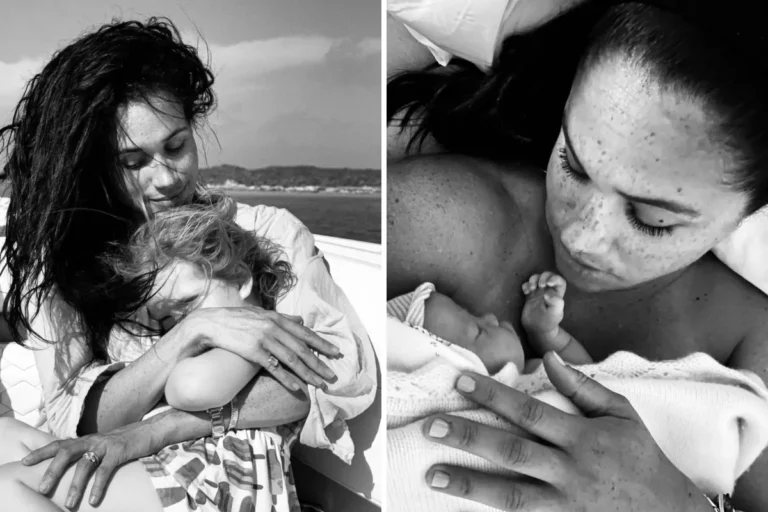
From Netflix documentaries and Spotify podcasts to high-profile interviews and glossy magazine spreads, the Sussexes have repeatedly used their young family as emotional hooks to draw audiences. Photos and videos of the children, especially daughter Lilibet, have been strategically timed and shared to generate maximum buzz, sympathy, and — most importantly — revenue.
“She’s a Walking Contradiction”
One royal commentator, speaking on condition of anonymity, put it bluntly: “Meghan Markle: Social media companies exploit children for clicks and money. Also Meghan Markle: I exploit my kids, mostly my daughter, using the same social media companies for clicks and money.”
The hypocrisy hasn’t gone unnoticed. Social media users flooded platforms with side-by-side comparisons: Markle at the podium decrying exploitation on one hand, and carefully staged family moments — birthday posts, holiday cards, and paparazzi-approved “candid” shots — on the other. Many noted that Lilibet, in particular, seems to feature more prominently in promotional material, raising eyebrows about selective privacy.
“She’s a joke on this topic,” one viral post read. “No one with active brain cells will ever take her seriously unless she lives by what she preaches. But she’s too addicted to exploiting herself and her family for clicks and money to do anything else.”
A Pattern of Selective Outrage
This isn’t the first time the Duchess has faced accusations of inconsistency. After stepping back from royal duties in 2020, the couple signed multi-million-dollar deals with Netflix, Spotify (before walking away from that one), and various media outlets. Their 2022 Netflix series Harry & Meghan included intimate family footage. Holiday cards shared via Archewell and personal Instagram stories (before the couple largely stepped away from personal accounts) have kept the children in the public eye.
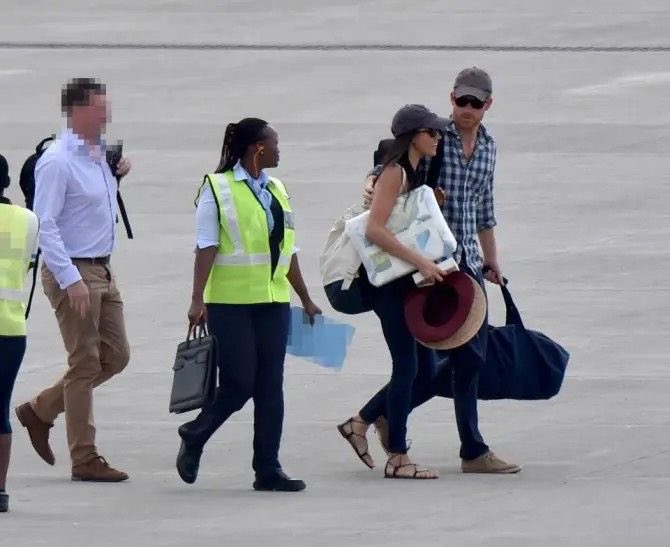
Meanwhile, they have been fiercely protective when it comes to unauthorized paparazzi images, filing lawsuits and complaints against media outlets. Critics argue this creates a system where only the Sussexes control the narrative — and profit from it.
The Archewell event itself, while noble in stated goals, has been slammed as performative. “They’re using the WHO logo and a fancy podium to lecture tech giants,” one observer noted, “yet their own foundation’s communications rely heavily on emotional family imagery to drive donations and attention.”
The Optics Problem
Public relations experts say the disconnect is damaging. “You can’t credibly campaign against child exploitation on social media when your brand is built on sharing your children’s lives for commercial gain,” said a Los Angeles-based image consultant. “It makes the entire initiative look like a vanity project rather than genuine advocacy.”
Even supporters of the cause have expressed discomfort. Many agree that social media harms children — studies from the WHO and others have linked excessive use to anxiety, depression, and body image issues. But they question why Markle, of all people, is the face of this particular effort.
As one X user summarized: “The more she does this, the more a fool she looks and yet she remains oblivious to her own hypocrisy.”
What’s Next for the Sussexes?
Insiders close to the couple suggest no major changes are coming. Archewell continues to push philanthropic messaging, while Harry and Meghan juggle book deals, speaking engagements, and media projects. Their children remain largely shielded from direct public appearances, but carefully selected images and stories continue to surface at opportune moments.
For now, the “No Child Lost to Social Media” campaign rolls on — complete with glossy photos of its celebrity champion standing proudly behind the message. Whether the public continues to buy the sincerity remains to be seen.
One thing is clear: In the age of performative activism, Meghan Markle’s latest effort has only amplified the very scrutiny she claims to oppose. The Duchess who once preached privacy has turned family life into a marketable asset. And in doing so, she’s handed her critics the perfect ammunition.
Will she ever recognize the irony? Or will the clicks and the causes keep flowing, hypocrisy be damned?
This article reflects widespread online sentiment and public discourse surrounding the event. Images from the podium appearance have already gone viral, further fueling the debate.