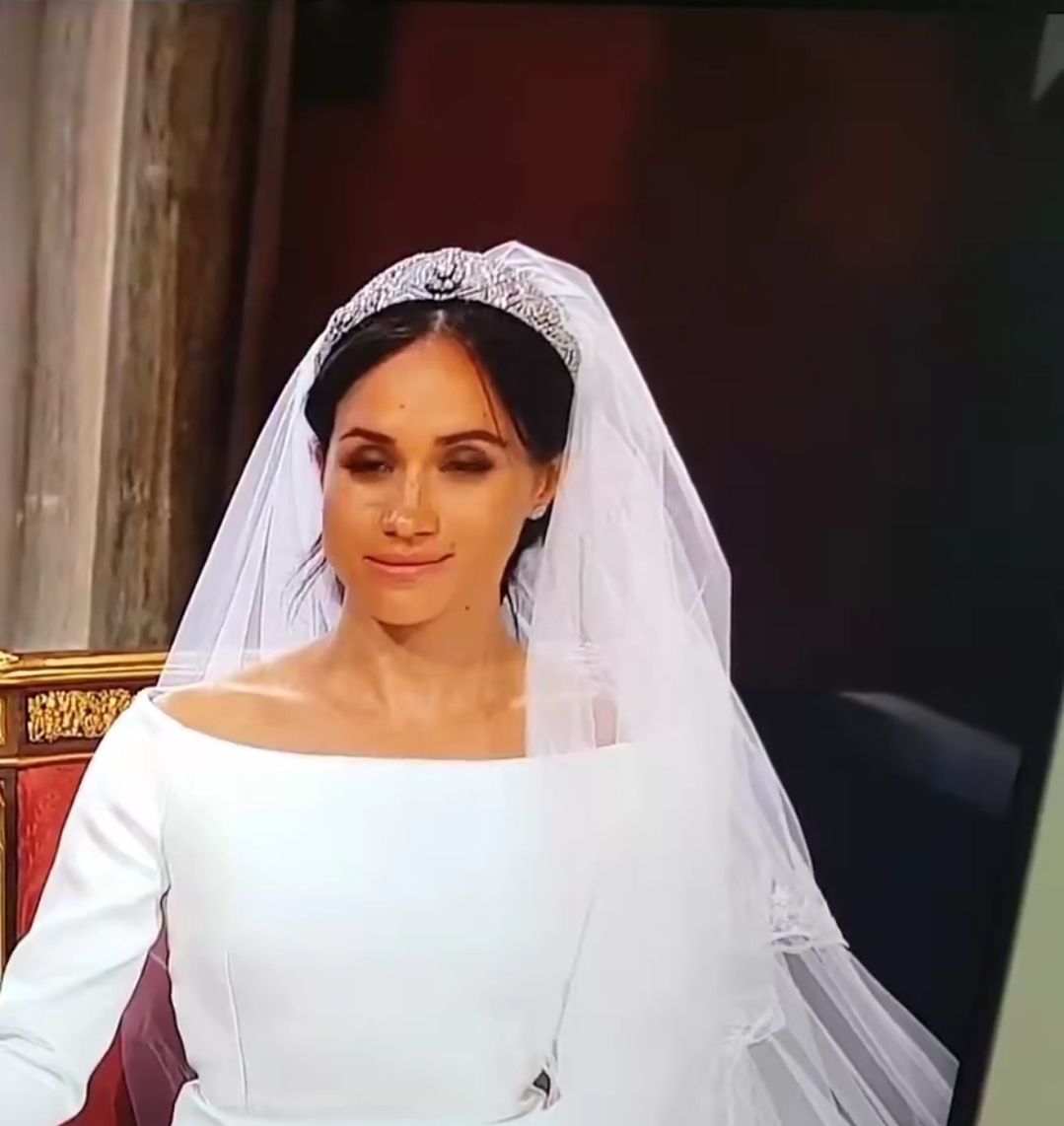
In the grand spectacle of royal weddings, where every detail is meticulously orchestrated to project perfection, romance, and timeless tradition, one tiny uninvited guest managed to steal a moment of unintended symbolism on May 19, 2018. As Meghan Markle stood poised in St. George’s Chapel, radiant in her Givenchy gown beside Prince Harry, a large fly buzzed into the frame—smacking her squarely in the face during Bishop Michael Curry’s fiery sermon, then hovering persistently nearby. While the world praised her for barely flinching, showing “poise and grit,” many now can’t shake the deeper, darker irony: flies have symbolized decay, evil, and malevolent forces across cultures for centuries. Not exactly the auspicious omen one hopes for on a day meant to mark a fresh, promising chapter of love and royalty.
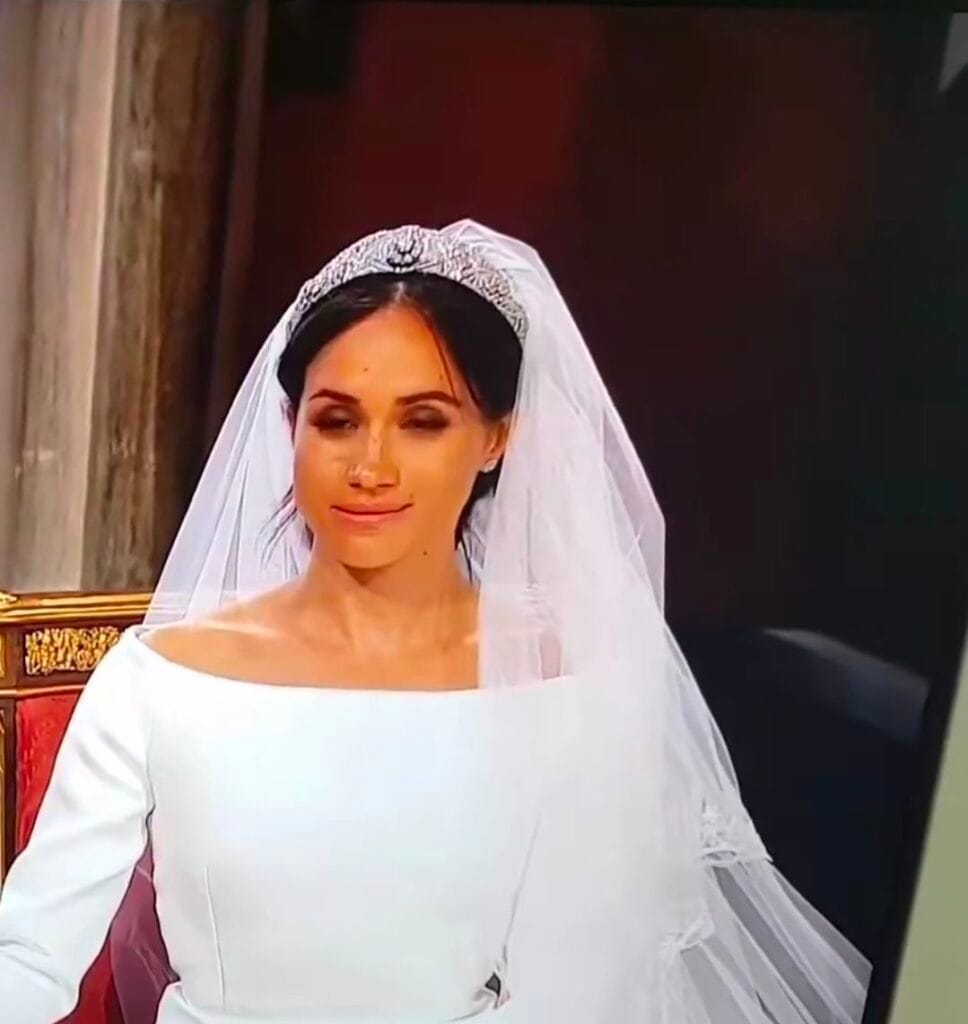
The moment was captured on live broadcast and quickly went viral. Viewers watched in amusement as the bluebottle fly made a direct hit on the bride’s face. Meghan wrinkled her nose slightly and shook her head gently to shoo it away, maintaining her composure without a single dramatic swat. Headlines at the time hailed her as a “thoroughly modern princess” who handled the awkward interruption with grace. “What poise!” commentators gushed. But years later, with the Sussexes’ royal exit, explosive interviews, and ongoing public scrutiny, that fleeting fly has taken on a more prophetic tone for critics and royal watchers. Was it mere coincidence, or a subtle sign from the universe that the union—billed as a fairy tale blending Hollywood glamour with British tradition—was already tainted by forces of discord and eventual breakdown?
Throughout history and in numerous spiritual and cultural traditions, flies have carried profoundly negative connotations. In Christianity, they are linked to Beelzebub, literally “Lord of the Flies,” a name for Satan or demonic influence. Ancient texts and folklore portray them as emblems of impurity, corruption, temptation, and death—drawn irresistibly to rot, decay, excrement, and carcasses. In some African and esoteric beliefs, swarms of flies signal monitoring spirits, curses, the evil eye, or impending setbacks. Even in literature and superstition, a fly at a wedding or significant life event is rarely seen as lucky; instead, it hints at underlying foulness beneath the surface beauty. One expert in symbolic omens notes that flies represent “annoyance, decay, or transformation” gone wrong, often warning of dark energies or moral rot lurking nearby.
For a ceremony designed to be pure, hopeful, and regenerative—uniting a divorced American actress with a beloved prince in front of billions—the hovering fly feels almost too on-the-nose in hindsight. The wedding was marketed as a modern fairy tale: diverse, inclusive, filled with gospel choirs, celebrity guests like Oprah and the Beckhams, and Meghan’s empowering walk down the aisle (partially alone before Prince Charles joined her). Yet that persistent insect, landing boldly on the bride’s face amid vows and blessings, has been reinterpreted by skeptics as a harbinger of the chaos that followed. The couple’s 2020 “Megxit,” the Oprah interview accusing the royals of racism and neglect, Harry’s memoir *Spare* with its bitter revelations, and their subsequent Netflix deals and Montecito lifestyle—all painted by some as self-inflicted drama—now make the fly seem like an early warning of “decay” in the once-glamorous narrative.
Insiders and online commentators have revisited the footage with fresh eyes. One viral social media post captured the moment perfectly: “Flies have long symbolised decay, evil and even malevolent forces in many traditions, so it’s hard not to notice the irony of one hovering over Meghan Markle on her own wedding day. Not exactly the kind of omen you’d expect at the start of something meant to be pure and promising.” The clip shows the fly circling, landing, and departing, almost as if delivering a message before vanishing into the grand chapel. Royal enthusiasts on forums and video breakdowns point out how the insect appeared during a particularly emotional, high-energy part of the service—almost interrupting the “love conquers all” vibe with its unwelcome presence.
At the time, the fly was dismissed as a humorous footnote. Meghan’s calm reaction was celebrated as proof of her star quality—she didn’t let a “tiny gatecrasher” derail her big day. Harry reportedly whispered something lighthearted to her afterward, and the couple proceeded with their carriage procession amid cheering crowds. But with the benefit of hindsight, the symbolism resonates differently. The marriage, once hailed as a breath of fresh air for the monarchy, has been marked by public rifts, family estrangements (including Meghan’s fractured relationship with her father, Thomas Markle, who didn’t attend), allegations of bullying staff, and a narrative of victimhood that many view as toxic. Flies thrive in environments of decomposition; some argue the Sussexes’ post-royal brand has similarly fed on controversy and grievance rather than building enduring positivity.
Cultural anthropologists and superstition experts note that weddings, as liminal rites of passage, are particularly sensitive to omens. A black cat crossing the path or a broken mirror might signal bad luck, but a fly—especially one so bold as to strike the bride—carries heavier weight in traditions associating it with malevolent spirits or hidden corruption. In biblical lore, plagues of flies tormented the Egyptians as divine judgment. In folklore from various regions, they embody restless souls or demonic watchers. One spiritual interpreter warns that flies appearing unbidden at joyful events can indicate “something rotten” beneath the facade, urging caution about the foundations of the union.
Royal biographers and body language analysts have pored over the entire 2018 ceremony for clues. While the fly moment was brief, it occurred against a backdrop of other subtle tensions: family drama with Meghan’s relatives, whispers of pre-wedding stress, and the glaring absence of her father. The insect’s persistence—hovering rather than quickly fleeing—mirrors how critics now describe the Sussexes’ ongoing public grievances: they linger, buzz around unresolved issues, and refuse to fully depart. Supporters of the couple counter that it was simply an outdoor-adjacent chapel in springtime Britain, where insects are inevitable. But for detractors, the timing feels eerily fitting for a story that shifted from “happily ever after” to accusations, lawsuits, and a self-exiled life in California marked by perceived victimhood and commercial opportunism.
Years on, that single fly has become a meme in certain royal-watching circles, resurfacing whenever new Sussex drama emerges. “Flies are attracted to…” quips abound, drawing the obvious parallel. The wedding itself cost millions, featured a hand-embroidered veil with flowers from all Commonwealth nations, and was meant to symbolize unity and renewal. Instead, the unscripted intruder serves as a reminder that no amount of staging can fully control the narrative—or the subtle signs that something may not be as pristine as it appears.
In the end, the fly on Meghan Markle’s wedding day remains a curious footnote that refuses to fade. What began as a lighthearted “did you see that?” moment has evolved into a potent symbol for those who view the Sussex saga through a more skeptical lens. A creature of decay interrupting a ceremony of supposed purity and promise. An omen, perhaps, that the fairy tale was never quite what it seemed. As the couple navigates their post-royal chapter—complete with podcasts, children’s books, and endless media cycles—one can’t help but wonder if that hovering fly was the first quiet signal of troubles yet to swarm. The monarchy moves on with its traditions intact, while the fly’s brief appearance lingers as a stark, buzzing reminder: not every beginning is blessed, and some signs are impossible to ignore.