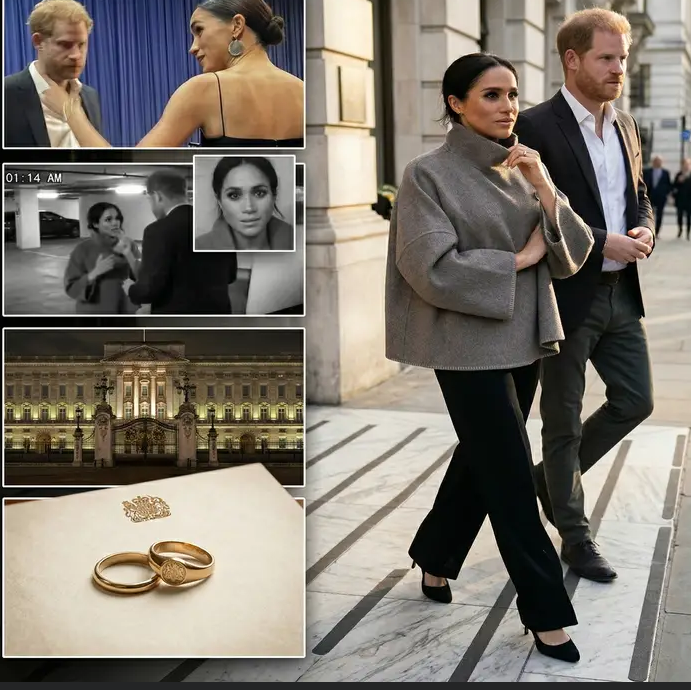
After years of distance, strained relationships, and a very public departure from royal life, the idea of Prince Harry returning to the Royal Family is once again gaining attention. But this time, the conversation feels different. It is not driven by nostalgia or reconciliation alone—it is being viewed through a more strategic lens, with many pointing to Meghan Markle as the key force behind the shift.
This may contain: queen elizabeth and prince philip in the royal wedding procession
For much of the past five years, Harry and Meghan have worked to build a new identity outside the monarchy. From streaming deals to podcasts and lifestyle ventures, they have attempted to carve out a space in the entertainment and business world. Yet, despite the initial excitement surrounding these projects, results have been mixed at best. Some partnerships have ended quietly, while others have struggled to maintain long-term momentum.
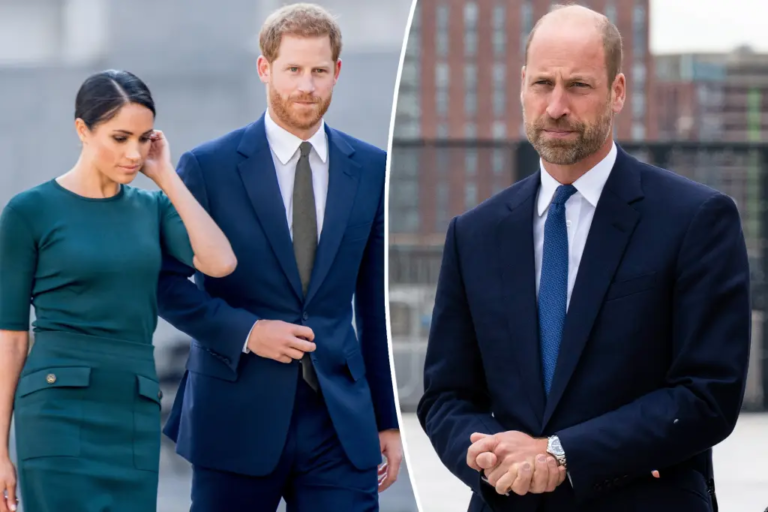
Meghan Markle and Prince Harry Given Cold Nicknames by Palace Insiders
This changing landscape has led to growing speculation about their next move. Reports suggesting that Harry is hoping to reconnect with his family, including spending time in the UK, have sparked renewed debate. But the timing has raised eyebrows. Why now, after years of apparent distance? Why not earlier, during moments when family support might have seemed more urgent?
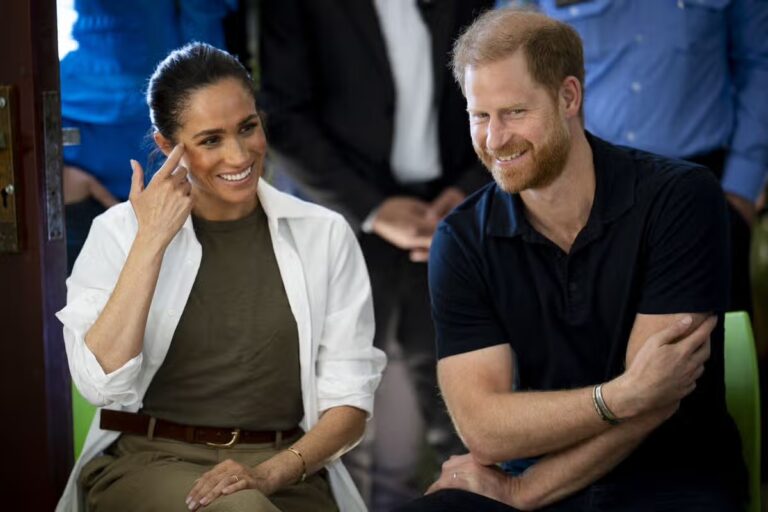
Meghan and Harry speak during tech panel in Colombia
“It doesn’t feel like coincidence,” one royal commentator observed. “When opportunities outside the royal sphere begin to slow down, the value of that royal connection becomes much clearer.” This perspective reflects a broader narrative that has been forming around the couple’s evolving strategy.
At the center of this discussion is Meghan. According to some analysts, she has always had a strong understanding of visibility and influence. The Royal Family, despite its challenges, remains one of the most powerful platforms in the world when it comes to global attention. A return—however temporary—would immediately place her back at the center of that spotlight.
For critics, this is where the true motivation lies. They argue that the idea of “returning” is less about healing relationships and more about restoring relevance. “It’s not about going back,” one observer noted. “It’s about being seen again, at the highest level possible.” While this view is not universally accepted, it resonates with those who see the move as calculated rather than emotional.
Harry’s role in all of this is more complex. On one hand, there have been indications that he misses aspects of his former life—his family, his country, and the sense of belonging that came with it. On the other hand, his decisions over the past few years have clearly aligned with a different path. The question now is whether these two realities can coexist.
Some believe that Meghan’s influence is pivotal in shaping that direction. Her focus on branding, positioning, and long-term visibility suggests that any move toward the Royal Family would come with clear objectives. Re-entering that space, even briefly, could reignite global interest not only in their personal story but also in their professional ventures.
“You can almost map it out,” one media analyst commented. “A return leads to headlines, headlines lead to engagement, and engagement fuels everything else they’re trying to build.” This cycle of visibility is at the heart of modern public life, particularly for figures who operate at the intersection of celebrity and legacy.
However, not everyone is convinced that such a strategy would succeed. There are significant challenges, both practical and emotional, that stand in the way. Trust within the Royal Family has been tested, and any attempt to rebuild those relationships would require more than timing or opportunity.
“There’s a difference between wanting to come back and being welcomed back,” one commentator pointed out. “And that’s something they can’t control.” This uncertainty adds another layer of complexity to an already delicate situation.
Supporters of Meghan and Harry, meanwhile, argue that the narrative of calculation is unfair. They suggest that any desire to reconnect with family should not automatically be viewed with suspicion. From this perspective, the conversation says as much about public perception as it does about the couple themselves.
Still, the timing continues to invite scrutiny. As media deals lose some of their initial shine and the spotlight becomes less intense, the appeal of a royal connection becomes more significant. Whether this is a conscious strategy or a natural shift is open to interpretation.
What remains clear is that the conversation is no longer just about whether Harry will return, but why—and who stands to gain from it. In a world where image, influence, and access are closely intertwined, even the possibility of a return carries weight far beyond the personal.
And as one observer quietly concluded, “Sometimes the most important question isn’t if something is happening—but what’s really driving it.”