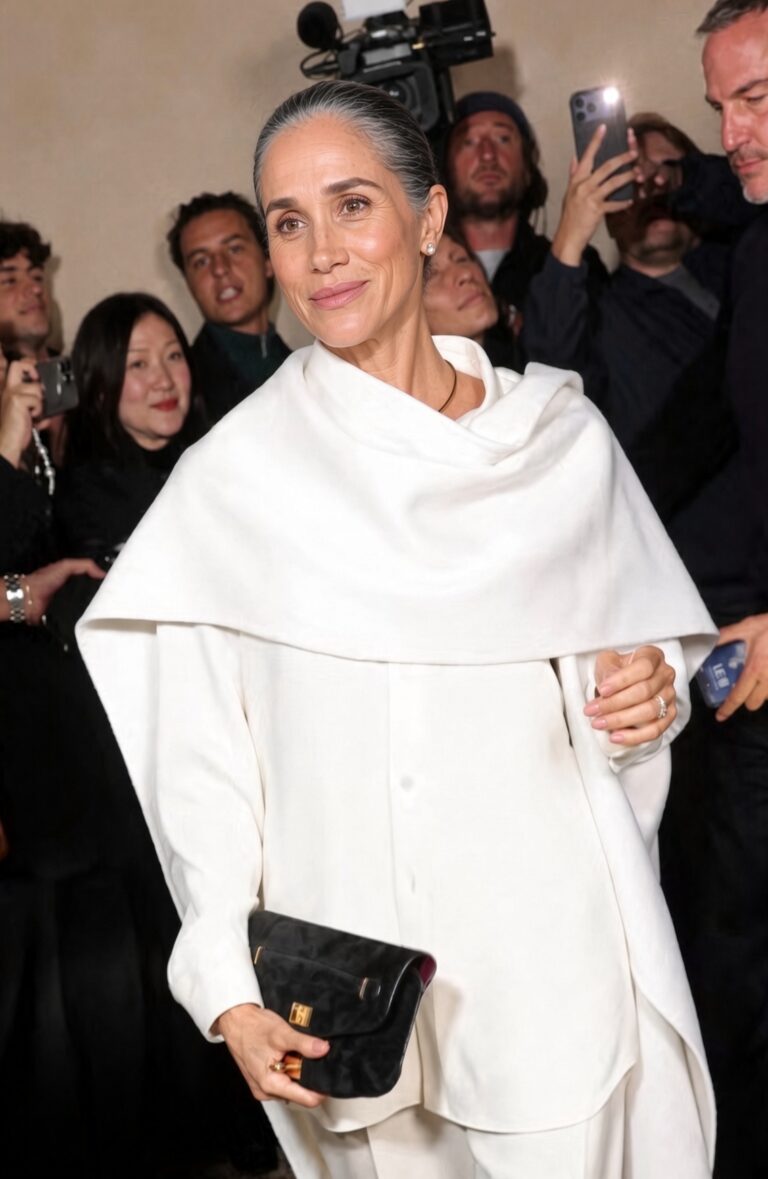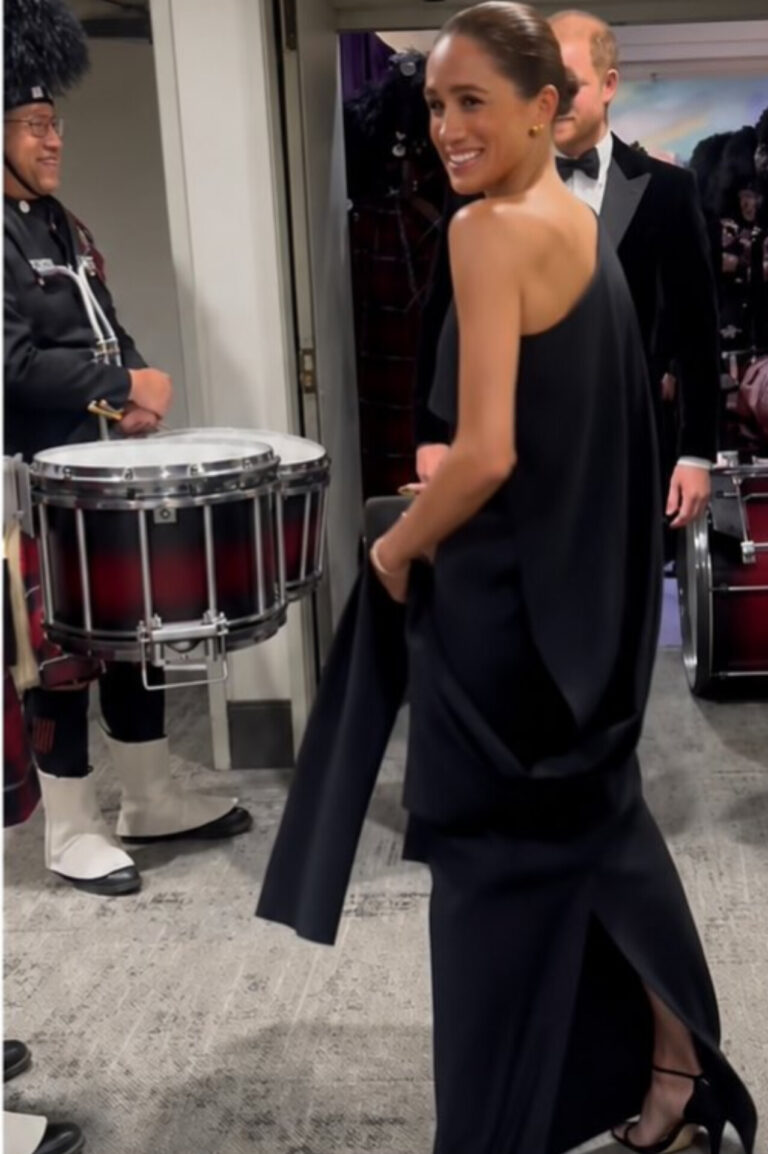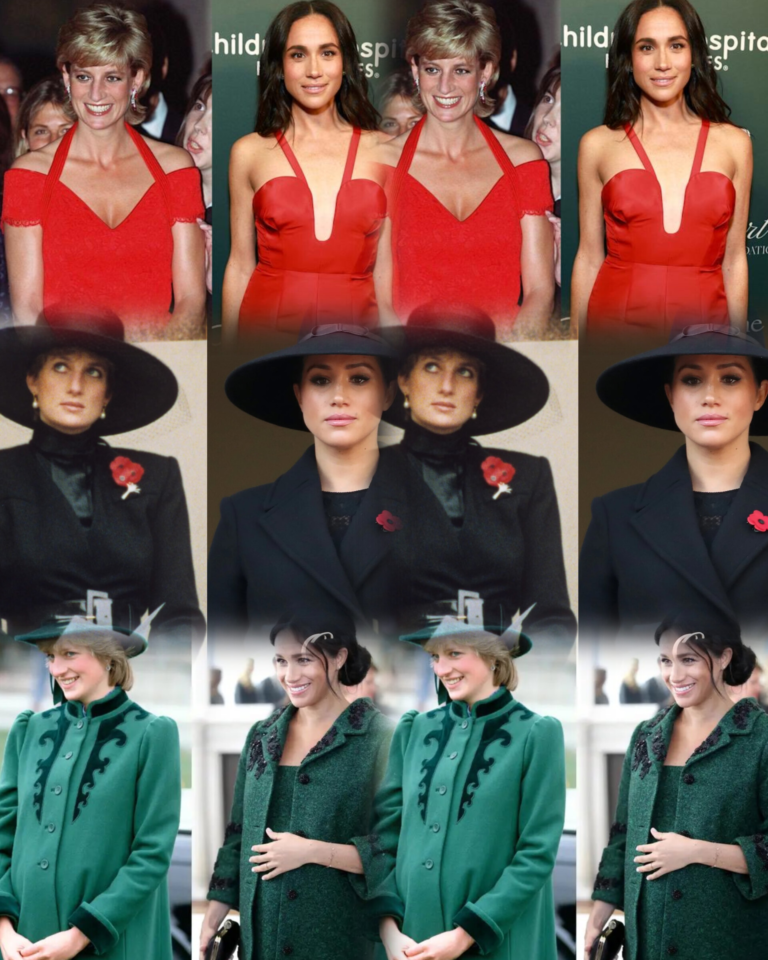
In the glittering yet cutthroat world of celebrity and royalty, few figures have sparked as much fascination, admiration, and controversy as Meghan Markle. From her meteoric rise as an actress on Suits to her fairy-tale entry into the British royal family, her story has captivated millions. But behind the polished Instagram posts, Netflix deals, and bestselling children’s books lies a growing chorus of whispers: Why do so many of her former friends, ex-boyfriends, and close associates remain eerily silent about their experiences with her?

The question isn’t new, but the implications have never been more chilling. Insiders and observers increasingly point to a pattern that feels ripped from a psychological thriller — a pattern allegedly involving secret recordings, calculated control, and the kind of leverage that keeps mouths firmly shut.
The Vanishing Act: Exes and Friends Who Simply Disappear
Take a walk down memory lane through Meghan’s pre-royal life. There were college friends from Northwestern University, colleagues from her time as a briefcase model and actress, and several notable ex-boyfriends. Yet, in stark contrast to the tell-all books and explosive interviews that followed her departure from the Firm, these individuals have largely chosen radio silence.
One former close friend from her early acting days reportedly told mutual acquaintances that after a falling out, any attempt to speak publicly felt “risky.” Another ex, whose brief but intense relationship with Meghan made tabloid headlines years ago, has never uttered a negative word despite opportunities for book deals that could have netted six figures. Even some who once praised her warmth and ambition now decline all interview requests with a terse “no comment.”
This isn’t typical Hollywood ghosting. In an era where everyone from ex-assistants to distant relatives cash in on royal drama, the collective quiet from Meghan’s old circle stands out as suspiciously complete. Royal watchers and pop culture analysts have begun asking the uncomfortable question: Is this silence born of loyalty… or fear?
The Narcissist’s Playbook: Recordings as Weapons
Experts in personality disorders and high-conflict relationships point to a well-documented tactic used by individuals with strong narcissistic traits: the secret recording. Smartphones have made it easier than ever to capture private conversations, vulnerable text threads, and even intimate moments without the other person’s knowledge. These recordings aren’t always for nostalgia — they’re insurance policies.
“Once you have compromising material on someone, you don’t need to threaten them outright,” explains Dr. Elena Vasquez, a clinical psychologist specializing in narcissistic personality dynamics (speaking generally, not about any specific individual). “The knowledge that a recording exists is often enough to enforce silence. People fear reputational destruction, legal battles, or public humiliation.”
In Meghan’s case, speculation has swirled for years. Former staff members at Kensington Palace and Frogmore Cottage reportedly described a culture of paranoia around privacy, with strict rules about phones and conversations. Multiple sources have claimed that key moments in her relationships — both personal and professional — were meticulously documented. When friendships soured, as they allegedly did with several bridesmaids, yoga circle members, and even early business partners, the affected parties retreated rather than risk escalation.
One particularly telling anecdote involves a pre-Harry boyfriend who, according to mutual friends, received a pointed reminder about “private moments” captured during their time together. The relationship ended abruptly, and he has maintained a vow of silence ever since, even as other exes of high-profile women have lined up for documentaries.
This pattern raises an even more explosive question: If Meghan employed these tactics with friends and romantic partners before her royal life, has she used the same strategy on the one person closest to her now — Prince Harry?
The Harry Factor: A Husband Under Control?
Prince Harry’s own transformation has been dramatic. The once fun-loving, cheeky royal who laughed freely with his military brothers has become a more guarded, sometimes bitter figure in exile. His memoir Spare pulled no punches against his birth family, yet notably avoided any deep criticism of his wife. Insiders close to the couple have described Harry as increasingly isolated, reliant on Meghan for major decisions, and hesitant to reconnect with old friends who might challenge the narrative.
Could secret recordings play a role here too? The idea isn’t as far-fetched as it sounds. In high-stakes relationships involving power imbalances, leverage is everything. Harry’s vulnerability — his well-documented struggles with mental health, grief over his mother, and estrangement from the monarchy — would make him particularly susceptible to such control mechanisms. Every late-night conversation, every frustrated rant about his family, every intimate admission could theoretically be stored away.
Friends of Harry from his Eton and army days have expressed quiet concern. Some have reportedly tried reaching out only to find communication channels tightly controlled. The couple’s rapid exit from royal duties, the subsequent media empire building, and the string of high-profile lawsuits against British tabloids all paint a picture of a tightly managed narrative — one where dissent is not tolerated.
A Pattern of Control or Simple Coincidence?
Of course, not everyone sees it this way. Supporters of the Sussexes argue that the silence stems from respect for privacy and a desire to move on from past relationships. They point to Meghan’s history of philanthropy, her advocacy for women’s rights, and the genuine love story with Harry as evidence against darker interpretations.
Yet the questions persist. Why did so many early supporters in the UK — from palace staff to British friends — reportedly feel burned after working with her? Why does the Sussexes’ orbit seem to shrink over time rather than expand? And why, in an age of endless confessionals, does Meghan’s pre-royal inner circle remain one of the most tight-lipped groups in entertainment?
The brutal cutting out of people from her life, as described by multiple indirect sources, follows a recognizable cycle: idealization, followed by devaluation, and finally discard. Those discarded often stay silent not because they have nothing to say, but because the potential cost feels too high.
What Comes Next?
As Meghan and Harry continue building their brand in Montecito and beyond, the world’s fascination shows no signs of waning. Their children, Archie and Lilibet, grow up in an environment far removed from royal tradition. Meanwhile, the British royal family steadies itself, with King Charles and Prince William maintaining public dignity amid private pain.
The bigger story, however, may be the human one. If the speculation about secret recordings and weaponized privacy holds any truth, it points to a deeply dysfunctional dynamic — one where trust has been replaced by leverage, and love by control.
For now, the exes stay silent. The former friends offer no quotes. And Prince Harry remains by her side, seemingly loyal to the end.
But in the age of leaks and whistleblowers, how long can that silence truly last? The public is watching, and the truth — whatever it may be — has a way of eventually surfacing.
This analysis draws on public patterns, reported behaviors, and expert insights into similar high-profile dynamics. As with all unproven speculation involving private individuals, it remains food for thought in an ongoing cultural conversation.