In a move that has sent shockwaves through royal circles and beyond, Meghan Markle has reportedly opened up about her personal battle with an eating disorder — but critics are accusing the Duchess of Sussex of cynically invoking the spirit of the late Princess Diana in a calculated bid to connect with younger audiences and rehabilitate her image.
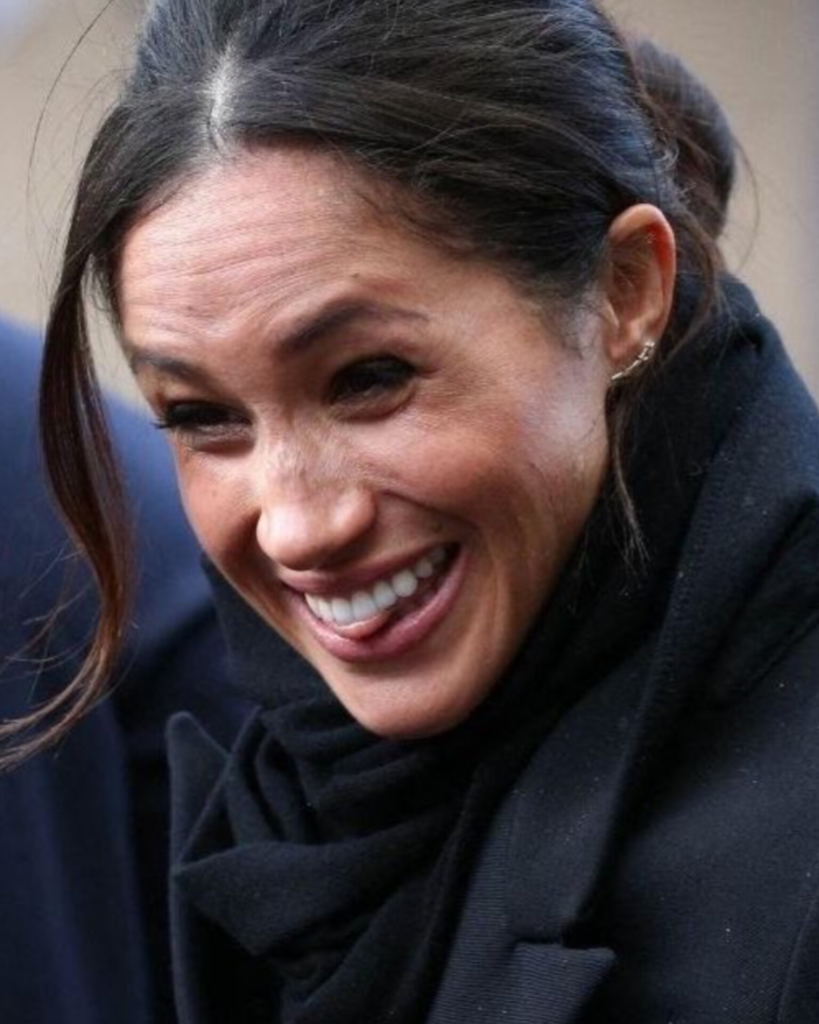
The revelation, which surfaced during a private wellness event and quickly leaked to select media outlets, has left many observers stunned and skeptical. Sources close to the Sussex camp claim Meghan described struggling with body image pressures during her time in the spotlight, drawing uncomfortable parallels to the well-documented challenges faced by Princess Diana in the 1990s. However, royal watchers and online commentators have wasted no time in slamming what they see as a transparent attempt to wrap herself in Diana’s legacy for personal gain.
“Meghan is playing a dangerous game here,” said one veteran royal commentator who requested anonymity. “Princess Diana’s eating disorder was a deeply tragic part of her story, shared with genuine vulnerability. To see Meghan seemingly weaponizing similar language feels like a deliberate echo — almost as if she’s trying to summon Diana’s ghost to boost her relevance with Gen Z and Millennials who still idolize the People’s Princess.”
The timing of this disclosure couldn’t be more strategic. With the Sussexes’ public profile facing fresh questions and their various ventures struggling for traction, insiders suggest Meghan is pivoting toward a “wellness warrior” persona. Her warning to young people about the dangers of social media-fueled body dysmorphia and unrealistic beauty standards has been branded by detractors as “performative” and “opportunistic.”
According to details shared with this publication, during an intimate gathering of influencers and mental health advocates in Montecito, Meghan allegedly became emotional while discussing her own experiences. “I know what it’s like to feel like your body is under constant scrutiny,” she reportedly told the group. “The pressure to be perfect, to shrink yourself to fit expectations — it’s something I battled, and I want to spare young women from the same pain.”
Attendees described the moment as powerful on the surface, but skepticism quickly followed once word spread. Social media erupted with accusations of Diana cosplay. One viral post on X (formerly Twitter) read: “Meghan drops eating disorder story right as her popularity tanks? Next she’ll be wearing the revenge dress. Leave Diana out of your PR playbook!” The post garnered hundreds of thousands of engagements within hours.
Critics Accuse Meghan of ‘Diana Appropriation’
This isn’t the first time Meghan has been accused of drawing on Diana’s narrative. From her wedding veil choices to her interviews referencing her mother-in-law’s struggles, observers have long noted what they perceive as strategic parallels. But the eating disorder revelation has struck a particularly raw nerve.
“Diana’s battles with bulimia were heartbreaking and well-chronicled in her own words during the Panorama interview and Andrew Morton’s book,” noted royal historian Dr. Evelyn Hargrove. “She spoke about it as part of her genuine pain within an unforgiving institution. For Meghan to invoke similar themes now, especially while living a seemingly charmed life in California with access to every wellness resource imaginable, comes across as tone-deaf at best and manipulative at worst.”
Public reaction has been swift and divided. While some supporters praised Meghan for “using her platform for good” and “normalizing mental health conversations,” a growing chorus of critics — including prominent British columnists and royal family loyalists — have labeled it as yet another chapter in what they call the “Sussex victimhood tour.”
One palace-adjacent source went further: “There’s a feeling that Meghan studied Diana’s life like a script. The eating disorder angle feels like the latest scene. It’s almost as if she’s trying to position herself as the modern, American continuation of Diana’s compassionate legacy — but without the genuine sacrifice.”
The Youth Warning: Genuine Concern or Image Rehab?
Central to the controversy is Meghan’s pointed warning to young people, particularly girls and young women navigating today’s digital landscape. She reportedly urged them to reject toxic beauty standards perpetuated by filters, influencers, and celebrity culture — advice that many found ironic given her own carefully curated social media presence and past modeling career.
“She’s telling youth to love themselves while her brand relies heavily on looking flawless in every photograph,” one social media analyst pointed out. “The cognitive dissonance is striking.”
Meghan’s Archewell Foundation has increasingly leaned into mental health initiatives, with this latest personal disclosure seemingly designed to add authenticity to those efforts. However, sources indicate the move has caused internal friction even within her own circle, with some advisors reportedly concerned about the backlash.
Prince Harry, by contrast, has remained characteristically supportive in private, according to those familiar with the couple’s dynamic. Yet even he has reportedly expressed caution about the comparisons to his late mother.
The Sussexes’ representatives have not issued an official statement on the leaked comments, but a source close to the couple defended Meghan’s intentions: “This was a private conversation about real struggles. Meghan has always been open about mental health, and attacking her for sharing her truth is exactly the kind of scrutiny that contributes to these issues in the first place.”
A Pattern of Calculated Revelations?
This latest episode fits into a broader pattern for the Duchess. From her Netflix series to various podcast appearances and lifestyle brand launches, Meghan has frequently centered personal vulnerability as a cornerstone of her public messaging. Critics argue this approach, while commercially savvy in the American self-help market, clashes with traditional royal restraint and risks exploiting sensitive topics.
As the story continues to unfold, questions remain about how far Meghan will lean into this new narrative. Will we see more personal disclosures? A potential book chapter dedicated to her “journey”? Or wellness products marketed around body positivity?
One thing is certain: the Duchess of Sussex continues to polarize like few others in the modern royal sphere. Whether this eating disorder revelation humanizes her or further alienates her critics may determine the next chapter of her high-profile reinvention.
For now, the conversation rages on — with Princess Diana’s name once again at the center of a Sussex storm, more than two decades after her tragic passing. Many are left wondering: is Meghan honoring Diana’s memory, or simply borrowing her light?
This article contains information based on insider accounts and public reaction. Representatives for the Duke and Duchess of Sussex declined to comment.