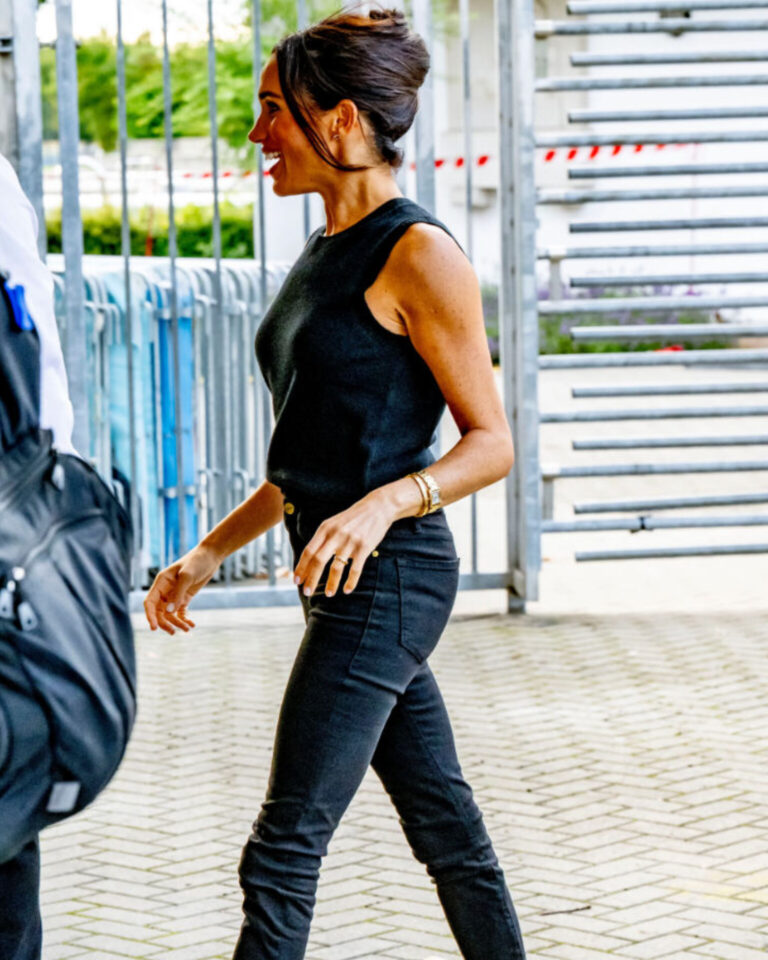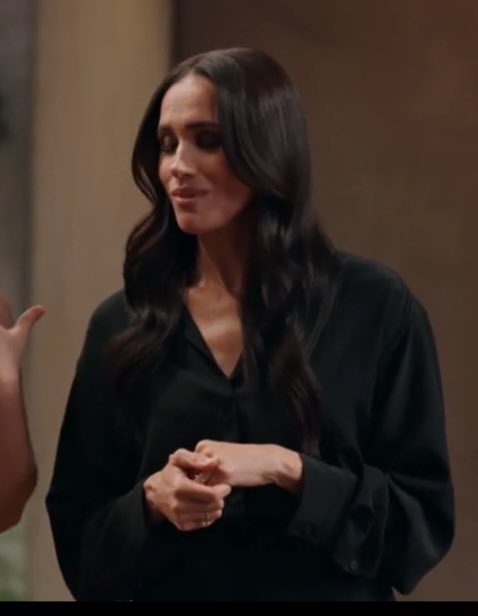
Meghan Markle is reportedly seething that she was barred from posting photos or details of her recent private family meeting with King Charles at Highgrove House. The same Meghan who once hauled the Mail on Sunday into court for publishing portions of a deeply personal letter she wrote to her estranged father, Thomas Markle Sr., insisting it was private and off-limits.
Sources close to the Sussexes say the Duchess of Sussex found the palace’s strict no-photos, no-sharing rule for the Highgrove reunion “especially insulting.” It still “really stings,” according to reports. She and Prince Harry, along with children Archie and Lilibet, met the King and Queen Camilla in mid-July during Harry’s UK visit tied to Invictus Games preparations. The palace made clear beforehand: this was a private family occasion. No images, no leaks, no social media content.
Meghan, never one to stay quiet when the spotlight doesn’t shine exactly how she wants, is said to be annoyed that the royals themselves post freely while she was “muzzled.” One insider claimed she’s already warning that future visits will need to be “a lot more relaxed” or she won’t return. She even reportedly discussed the trip at a California dinner party attended by Martha Stewart shortly after returning — talking about having “just gotten back from the palace” while guests listened.
Yet this is the same woman who, in 2019, sued the Mail on Sunday after it published extracts of her August 2018 handwritten letter to Thomas Markle. In that letter she poured out personal anguish, accusing her father of breaking her heart “into a million pieces” and begging him to stop speaking to the press. She claimed a reasonable expectation of privacy. A High Court judge agreed the disclosures were “manifestly excessive and hence unlawful.” She won summary judgment on the privacy claim.
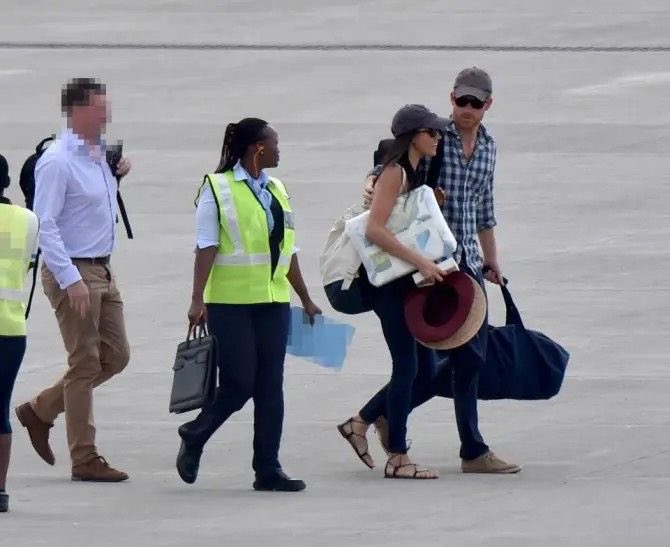
The double standard is glaring. When it suits her narrative or brand, privacy is sacred and the media is the enemy. When she wants to control the story, share curated “summer holiday” Instagram carousels from Althorp (Princess Diana’s family estate), Portugal, or Scotland, or drop hints about royal access at dinner parties, privacy suddenly becomes optional. Critics have already slammed the couple for “invading their own privacy” by posting those European vacation photos after making such a public show of needing secrecy and security.
Harry has long played the same game. He spent years litigating for taxpayer-funded police protection in the UK after stepping down as a working royal, claiming it was unsafe for his family without it. When that was denied for the July 2026 trip, the Sussex camp spun it as a last-minute crisis that risked the entire family visit. Palace sources and journalists pushed back, noting the couple already knew the security arrangement and that other factors — including fear of public backlash and limited promotional upside for Meghan’s struggling lifestyle brand — played a bigger role. Harry still went, Meghan and the children eventually joined for the private Highgrove portion and Althorp, and the public drama continued.
The pattern is consistent: demand absolute privacy and special treatment when it benefits them, then complain loudly or leak selectively when the rules apply equally. Meghan’s reported frustration over not being able to document and publicize a private royal family moment, after fighting tooth and nail to keep her own private correspondence out of the papers, lays the hypocrisy bare.
Prince Harry and Meghan Markle continue to position themselves as victims of the institution and the press while repeatedly demonstrating that their commitment to privacy is situational — useful when it protects their image, disposable when it limits their ability to shape the narrative. The British public and the royal family have seen this movie before. The only surprise left is that anyone still pretends to be shocked.