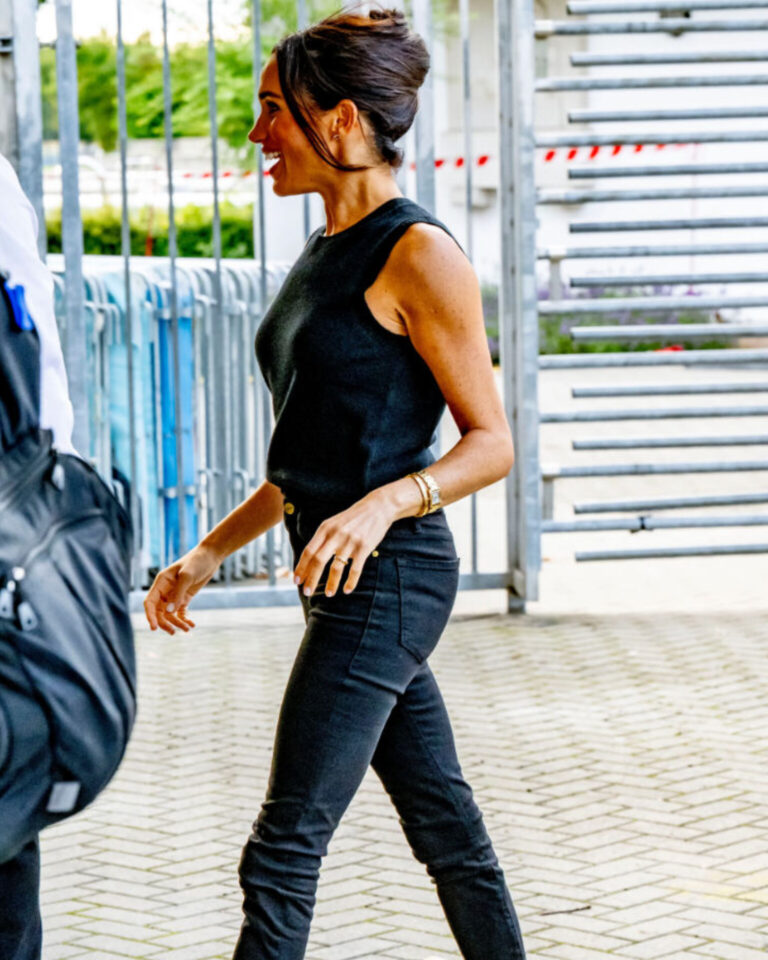
Meghan Markle marked her 45th birthday this week with the usual carefully staged Instagram spectacle — pool jumps in a black swimsuit, kitchen dancing in a plastic tiara, and self-congratulatory posts thanking the world for “birthday love.” What the glossy filters and balloons could not conceal, however, was the growing chorus of observers noting that the Duchess of Sussex’s face and posture appear to be telling a very different story.
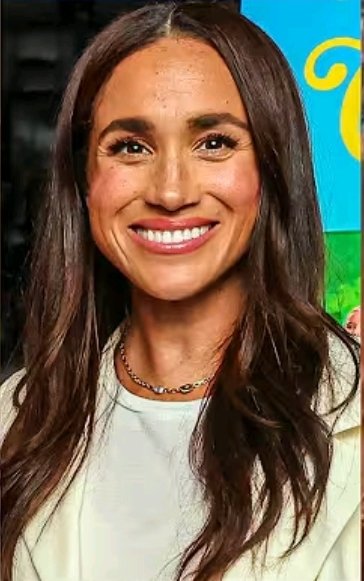
Social media erupted with side-by-side comparisons and pointed commentary drawing on the classic Portrait of Dorian Gray motif: as the years of public grievance, family attacks, and relentless self-promotion accumulate, the physical toll of chronic hostility and bitterness seems increasingly visible. Forehead lines, strained expressions, and a hardened look that once could be smoothed by careful lighting now dominate unflattering close-ups. “All her dastardly deeds and negative energy is exhibiting the Portrait of Dorian Gray effect,” one widely shared post declared, arguing that the couple’s inner malice is finally manifesting outwardly.
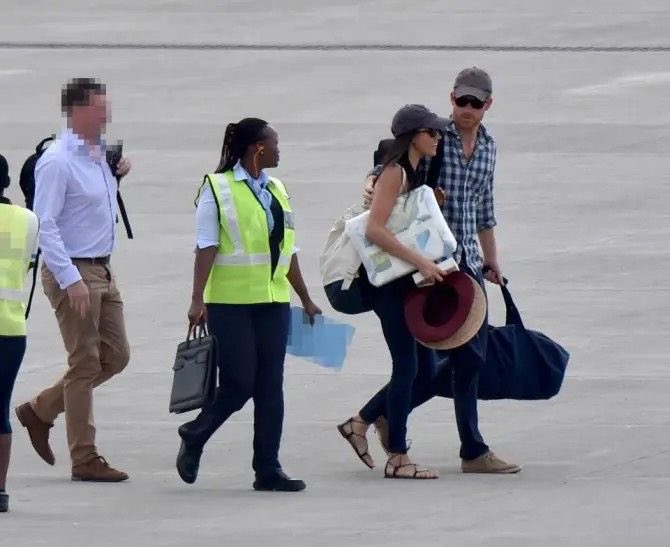
The same criticism extends to Prince Harry. At 41, the Duke of Sussex has openly acknowledged his rapidly thinning hair, joking on a recent podcast that he tries “not to look” at what is happening on top of his head. Photos from 2026 show advanced male-pattern baldness that has accelerated in the years since he and Meghan abandoned royal duties. Commentators link the physical changes in both to the stress and rancor of their chosen path — endless lawsuits, security psychodramas, Netflix tell-alls, and public airing of family grievances that have left them isolated from the institution they once claimed to modernize.
The royal family’s public silence on Meghan’s birthday only sharpened the point. No official social-media wishes appeared from King Charles, the Prince and Princess of Wales, or any other senior royal. Palace sources and commentators attributed the omission to long-standing protocol for non-working royals, but many interpreted it as the natural consequence of years of attacks. One commentator called Meghan a “toxic, self-obsessed in-law who spent her brief tenure publicly attacking the monarchy and family members,” asking why anyone would send birthday greetings after such behavior.
Even the birthday content itself invited fresh accusations. The pool-jump photos were immediately branded another Diana cosplay attempt, while the kitchen video — complete with Harry’s awkward off-camera “Oh dear” — was dismissed by critics as contrived and desperate. Experts described the posts as a “smoke screen for her unpopularity,” noting the controlled, performative quality that has become the Sussex hallmark.
Six years after “Megxit,” the couple’s brand rests on victimhood and nostalgia for a princess neither fully knew. Harry’s court losses, the ongoing estrangement from his father and brother, and Meghan’s struggling lifestyle ventures have produced little beyond more content and more complaints. The faces looking back from recent photographs — lined, strained, and stripped of the youthful gloss that once accompanied their arrival — are being read by a growing number of observers as the inevitable result of that choice.
The balloons eventually deflate. The filters fade. What remains is the portrait the Sussexes themselves have painted through years of bitterness: two people whose public lives have been defined by grievance, and whose features, critics insist, are now beginning to show the cost.