In a transparent bid to salvage a theatrical dud, the Sundance Institute has resorted to recycling photos of Meghan Markle fawning over Girl Scouts from the January 2026 premiere of Cookie Queens—the documentary she and Prince Harry executive-produced under their Archewell banner. The move comes just days after the film’s dismal box-office opening, where it was comprehensively outdrawn by a compilation of cat videos.

The numbers are brutal. Released August 7 by Roadside Attractions, Cookie Queens scraped together roughly $327,000–$354,000 from 446 screens in its opening weekend—averaging a pitiful $735 per screen—and finished outside the top 10, trailing even CatVideoFest 2026. Cumulative domestic gross sits around $444,000. For a film that rode a wave of Sundance hype and a 93–94% Rotten Tomatoes score, this is a commercial embarrassment.
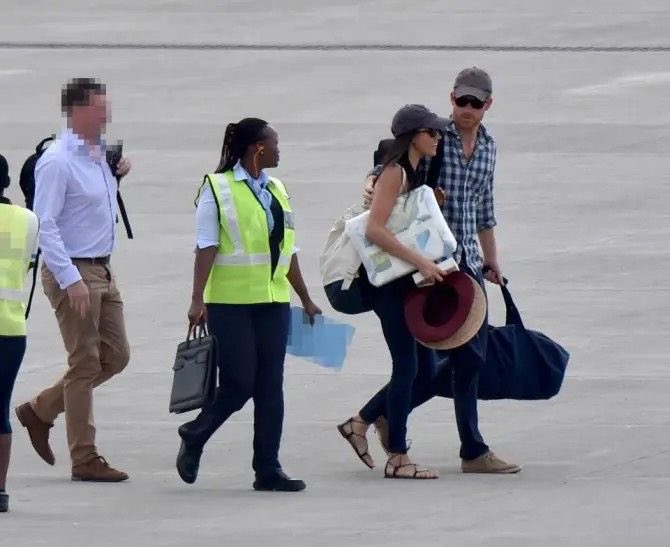
Sundance’s latest promotional post throws back to the 2026 festival premiere, featuring images of Markle hugging and chatting with the young subjects while Harry lingers in the background. The institute frames it as wholesome nostalgia for a “feel-good” story about Girl Scout cookie season. Critics of the Sussexes see something far more cynical: an attempt to paper over audience rejection by leaning on the very celebrity brand that has repeatedly proven toxic at the box office and with the public.
Harry and Meghan’s involvement was never subtle. They attended the Sundance premiere in Park City, posed for photos, and Markle took the stage to call the film one of the “most powerful and meaningful” depictions of American girlhood. She repeatedly leaned on her own childhood as a Girl Scout (with her mother as troop leader) to claim personal authenticity. Yet the couple’s presence failed to sell out even their own premiere screenings, and the subsequent theatrical run has confirmed what many predicted: the Sussex name is box-office poison.
This is not an isolated failure. Archewell’s track record is littered with underperforming projects that generate headlines for the couple’s grievances far more than genuine cultural impact. Cookie Queens—a documentary about ambitious young girls navigating sales pressure, family dynamics, and the $800 million Girl Scout cookie industry—deserved better than becoming another vehicle for royal-adjacent self-promotion. Instead, Markle’s high-profile hugs and photo-ops with the children read less like genuine support and more like opportunistic brand management. Harry, once again, stands by as the silent partner in yet another commercial misfire.
Industry observers have been blunt. One source described the returns as “pretty pitiful.” The film’s summer release timing was already questionable against blockbuster competition, but the Sussex association appears to have actively suppressed broader interest. Positive reviews praising the girls’ energy and the film’s gentle observations on ambition and girlhood have not translated into ticket sales—further evidence that Markle and Harry’s polarizing public image continues to alienate the very audiences they claim to uplift.
Sundance’s decision to double down on Markle imagery now only underscores the desperation. When a prestigious festival feels compelled to push a former royal’s photo-ops to move a documentary that audiences have already rejected, it reveals how thoroughly the Sussex brand has become a liability rather than an asset. The girls at the center of Cookie Queens worked hard and told compelling personal stories. They did not need Harry and Meghan’s shadow, and the public has made clear it does not want it either.
The cookies, it seems, were never the problem. The executive producers were.